 Indonesia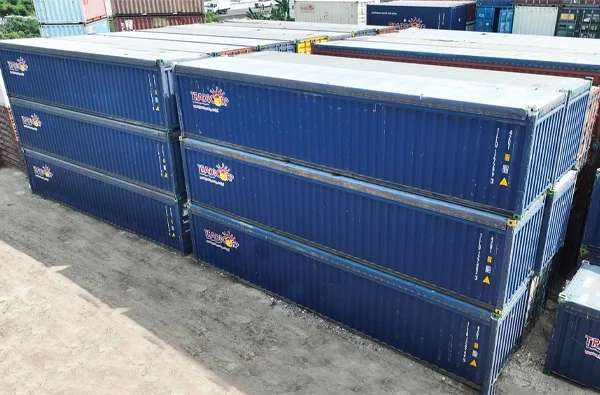
A shipping container is a cargo container made of Corten steel, a corrosion-resistant material, and designed according to ISO standards to transport goods efficiently by sea, land, and rail. This unit is internationally recognized under ISO 668, first published in 1968, which sets the dimensions and tolerances needed to support smooth and standardized global intermodal trade.
The use of shipping containers spans a wide range of industries, from large-scale exporters and importers to mining companies, construction businesses, and retail operations that need temporary storage or workspace solutions.
In Indonesia, shipping containers operate across the national logistics network, from Tanjung Priok Port in Jakarta and Tanjung Perak Port in Surabaya to ports in Kalimantan, Sulawesi, and Papua.
The need for shipping containers arises whenever a business requires large-volume cargo delivery, temporary storage at project sites, or mobile operational infrastructure. Containers are a preferred solution because of their exceptional durability, stacking capability of up to 9 units, and flexibility across transport modes without the need to transfer the cargo inside.
To choose the right container, several factors must be understood in detail: size, capacity, cargo type, and business operational needs. All of these are explained in this complete Tradecorp article below.
Shipping Container Sizes
Best Shipping Containers for Shipping & Delivery


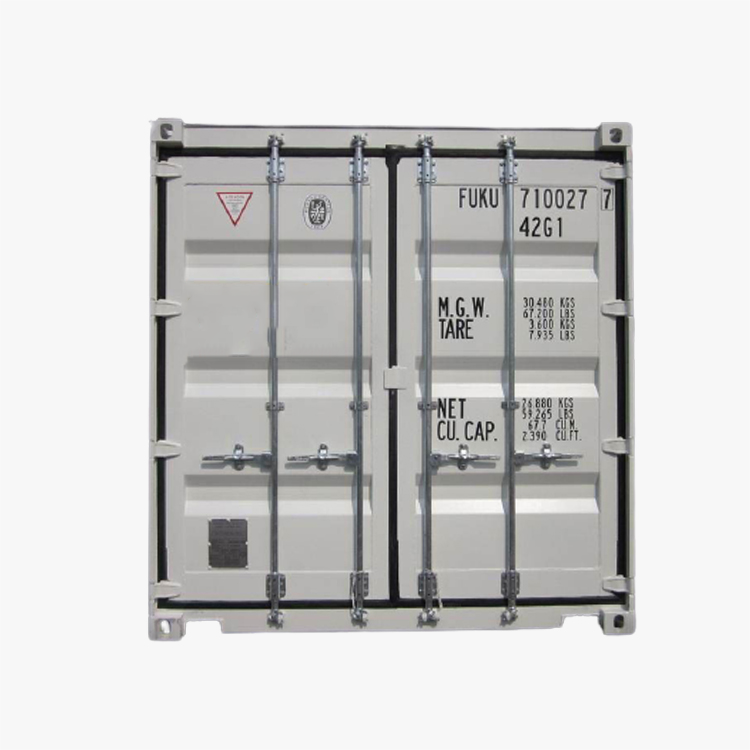

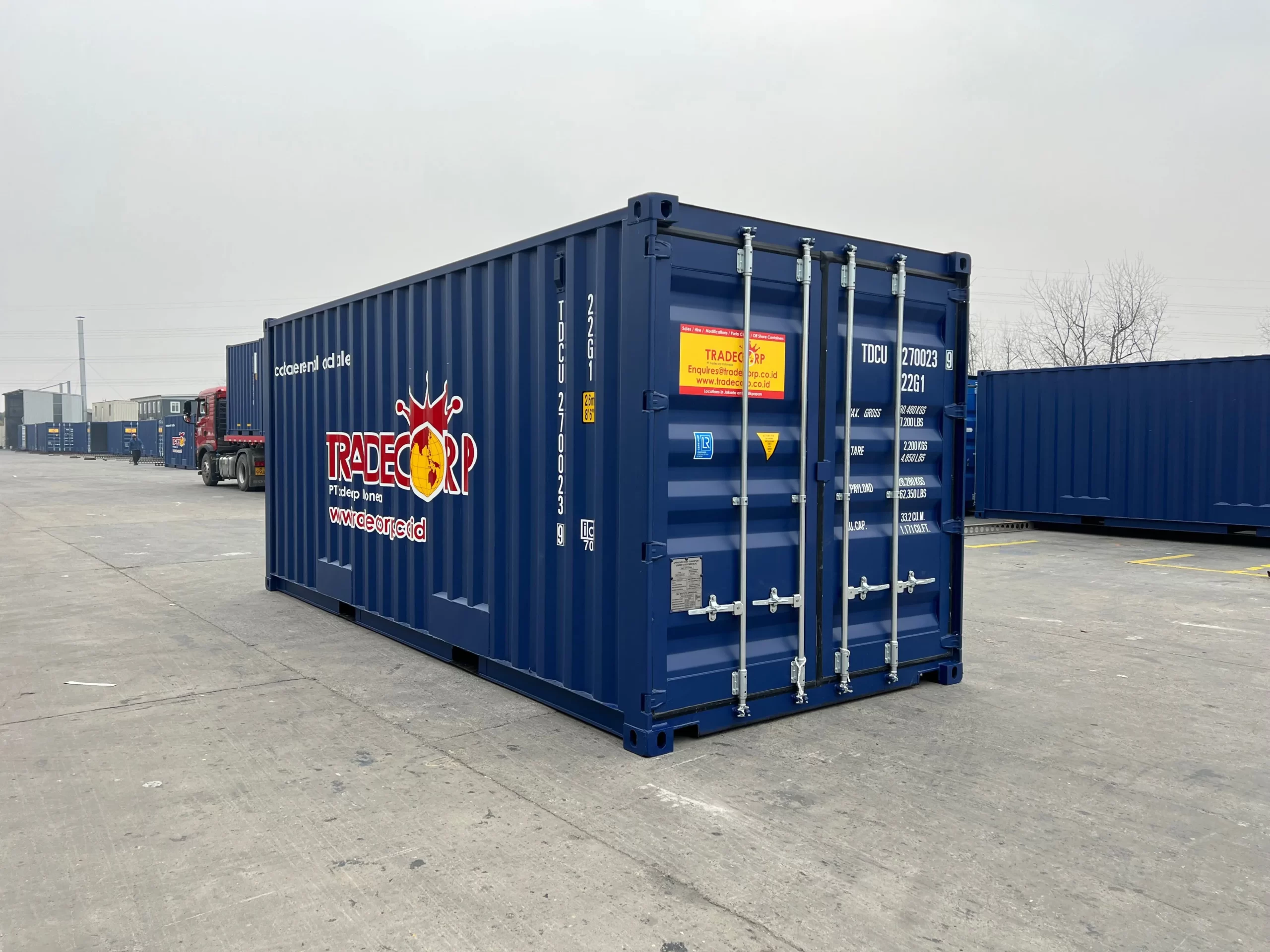

Shipping containers come in four main length sizes: 10 feet, 20 feet, 30 feet, and 40 feet, with a standard width of 8 feet (2.44 meters). The most widely used sizes in international trade are the 20-foot container and the 40-foot container.
The 20-foot container is also known as a TEU, or Twenty-foot Equivalent Unit, which is the industry standard measurement for vessel and terminal capacity. A modern large container ship can carry more than 18,000 TEUs at once.
Below is a summary of shipping container dimensions based on ISO standards.
20-Foot Container Dimensions
|
Dimension |
Size |
| External Length | 6.058 meters (20 feet) |
| External Width | 2.438 meters (8 feet) |
| External Height | 2.591 meters (8 feet 6 inches) |
| Internal Length | 5.89 meters |
| Internal Width | 2.35 meters |
| Internal Height | 2.39 meters |
| Internal Volume | 33.2 m³ |
40-Foot Container Dimensions
|
Dimension |
Size |
| External Length | 12.192 meters (40 feet) |
| External Width | 2.438 meters (8 feet) |
| External Height | 2.591 meters (8 feet 6 inches) |
| Internal Length | 12.02 meters |
| Internal Width | 2.35 meters |
| Internal Height | 2.39 meters |
| Internal Volume | 67.6 m³ |
10-Foot Container Dimensions
The 10-foot container is the smallest size available in the market. It is especially popular for non-shipping uses such as ticket booths, telecom shelters, small offices, and storage in locations with limited space.
|
Dimension |
Size |
| External Length | 3.05 meters (10 feet) |
| External Width | 2.44 meters (8 feet) |
| External Height | 2.59 meters (8 feet 6 inches) |
45-Foot Container Dimensions
The 45-foot container is a non-standard size available in certain markets. It provides more capacity than a 40-foot container. However, availability is more limited, and special permits may be required for land transport in some areas.
| Dimension |
Size |
| External Length | 13.72 meters (45 feet) |
| External Width | 2.44 meters (8 feet) |
| External Height | 2.59 meters (standard) or 2.90 meters (high cube) |
Standard vs High Cube Container Comparison
The main difference between a standard container and a high cube container lies in the height. A standard container has an external height of 8 feet 6 inches (2.59 meters), while a high cube container has an external height of 9 feet 6 inches (2.90 meters), giving around 30 centimeters, or one full foot, of extra vertical space.
This extra height may seem small, but it makes a significant difference, especially for bulky cargo, tall goods, or conversion projects such as container homes and field offices.
40-Foot Standard vs 40 High Cube Container
|
Specification |
40-Foot Standard Container |
40 High Cube Container |
| External Height | 2.60 m (8’6″) | 2.90 m (9’6″) |
| Internal Height | 2.39 m (7’10”) | 2.70 m (8’10”) |
| Internal Volume | 67.6 m³ | 76.3 m³ |
| Tare Weight | 3,420 kg | 3,520 kg |
| Max Payload | 27,060 kg | 26,960 kg |
| Max Gross Weight | 30,480 kg | 30,480 kg |
20-Foot Standard vs 20 High Cube Container
|
Specification |
20-Foot Standard Container |
20 High Cube Container |
| External Height | 2.60 m (8’6″) | 2.90 m (9’6″) |
| Internal Height | 2.39 m (7’10”) | 2.70 m (8’10”) |
| Internal Volume | 33.2 m³ | ±37 m³ |
High cube containers are strongly recommended for light cargo with large volume, container conversion projects such as homes or offices, and storage needs that require extra vertical space. The 40 high cube container, often called the 40ft HC container, is the most popular option in this segment.
Shipping Container Capacity and Weight
Understanding shipping container capacity and weight is essential in logistics planning. Mistakes in load calculations can lead to extra costs, shipping delays, and even safety issues.
20-Foot Container Load Capacity
A 20-foot container can hold around 10 to 11 standard pallets. Its internal volume is 33.2 m³, which is equivalent to about 200 standard mattresses or 2 compact cars. The tare weight of a 20-foot container is 2,080 kg, and the maximum gross weight is 30,480 kg, resulting in an effective payload capacity of 28,400 kg.
40-Foot Container Load Capacity
A 40-foot container can hold around 21 standard pallets or 24 euro pallets. Its internal volume is 67.6 m³, equivalent to the contents of a 3 to 4 bedroom house. The tare weight of a 40-foot container is 3,420 kg, and the maximum gross weight is 30,480 kg, resulting in an effective payload capacity of 27,060 kg.
Capacity Summary Table
|
Container Size |
Internal Volume | Pallet Capacity |
Max Payload |
| 10-Foot Container | ±15 m³ | 4-5 pallets | ±10,000 kg |
| 20-Foot Container | 33.2 m³ | 10-11 pallets | 28,400 kg |
| 30-Foot Container | ±50 m³ | 15-16 pallets | ±24,000 kg |
| 40-Foot Container | 67.6 m³ | 21-24 pallets | 27,060 kg |
| 40-Foot HC Container | 76.3 m³ | 21-24 pallets | 26,960 kg |
| 45-Foot Container | ±86 m³ | 24-26 pallets | ±27,600 kg |
Types of Shipping Containers
Not all cargo can be loaded into a standard container. The logistics industry has developed various container types to meet different shipping needs. Here are the main shipping container types you should know.
1. General Purpose Container (Dry Container)
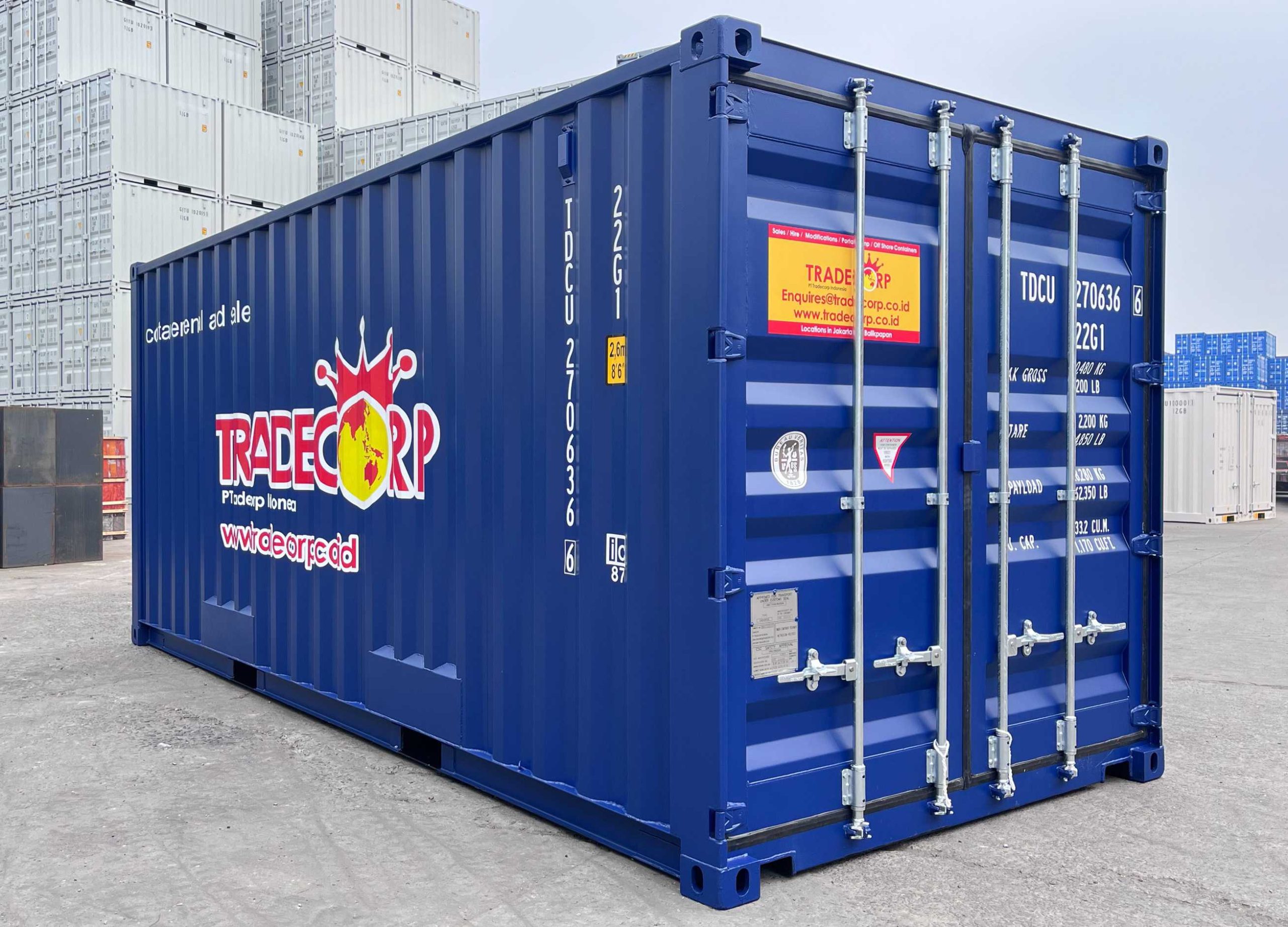
A general purpose container is the most commonly used container type. It is fully enclosed, watertight, and made of corrosion-resistant Corten steel. It is available in 20-foot, 40-foot, and 40 high cube sizes. It is suitable for dry, non-perishable cargo such as electronics, textiles, furniture, machinery, and general manufactured goods.
2. High Cube Container (HC Container)
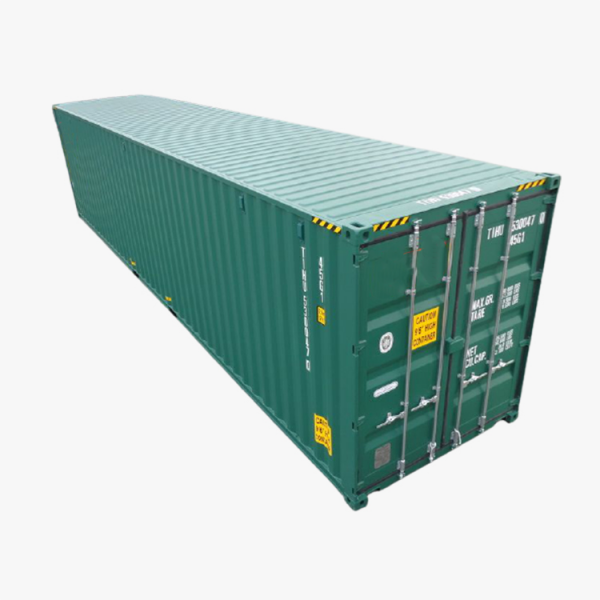
A high cube container is basically a general purpose container with an extra foot of height. The 40 high cube container, or 40ft HC container, is ideal for light cargo with large volume, goods with tall dimensions, or conversion projects such as field offices and temporary housing.
3. Refrigerated Container (Reefer Container)
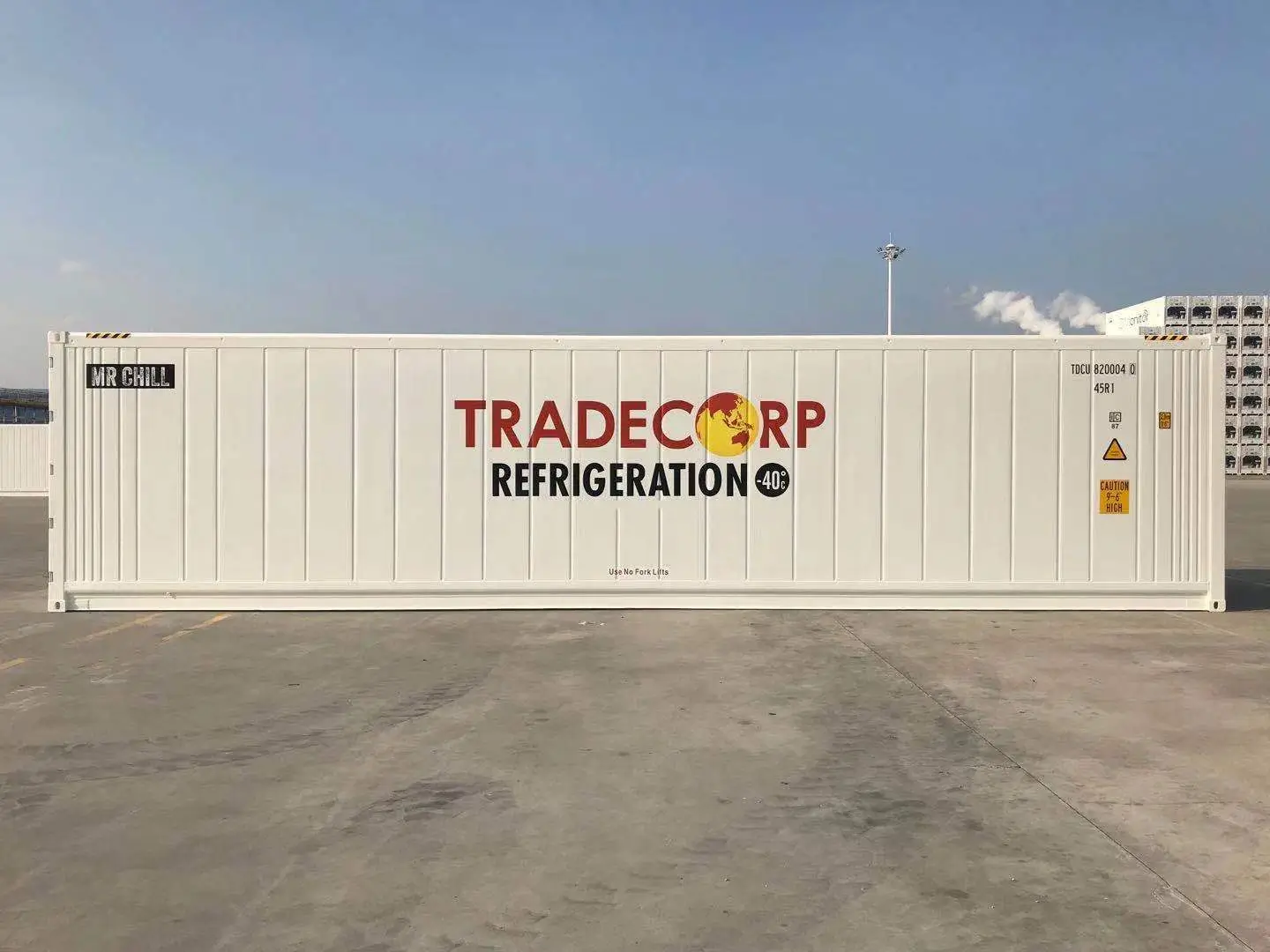
A reefer container, also known as a refrigerated container, is a solution for cargo that requires strict temperature control. It is equipped with an integrated cooling unit that can maintain temperatures from -25°C to +25°C. It is used to ship pharmaceutical products, frozen food, fresh fruit, meat, fish, and other temperature-sensitive agricultural products.
4. Open Top Container
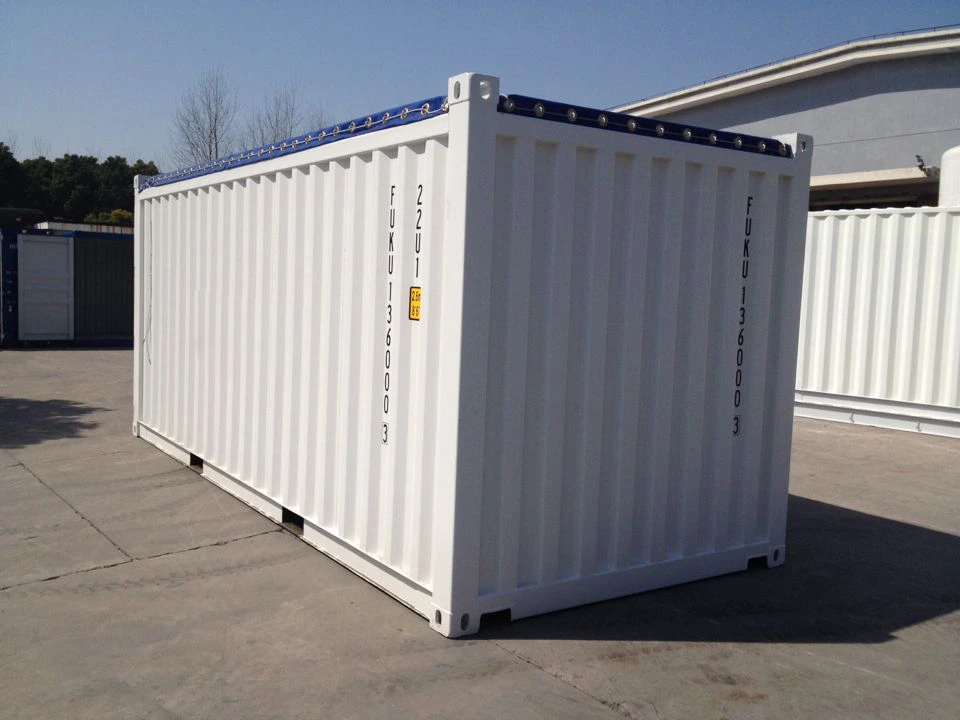
An open top container does not have a fixed roof. Instead, it uses a removable tarpaulin cover. This design allows cargo loading from the top using a crane. It is ideal for oversized cargo that cannot be loaded through standard doors, such as large machinery, marble blocks, logs, and heavy equipment.
5. Flat Rack Container
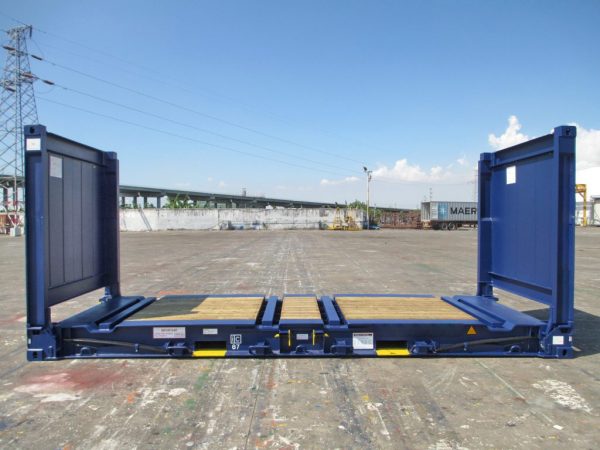
A flat rack container has only a floor and two side walls, which may sometimes be collapsible. It has no side walls or roof. It is the right choice for extremely large and heavy cargo such as heavy vehicles, small boats, large generators, and steel construction structures.
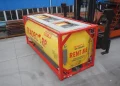
6. ISO Tank Container
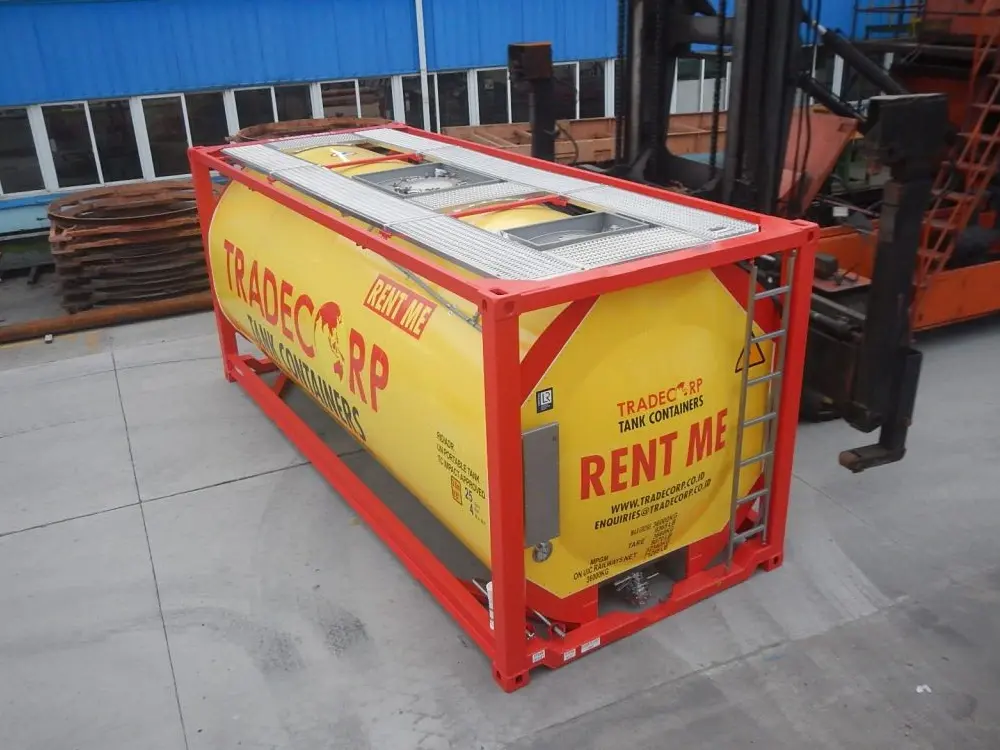
An ISO tank container is a steel tank placed within a standard ISO frame. It is specially designed to transport liquid cargo, pressurized gas, and hazardous chemicals. Each unit has strict certification to ensure cargo safety throughout the journey.
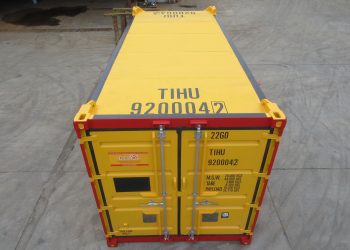
7. Offshore DNV Container
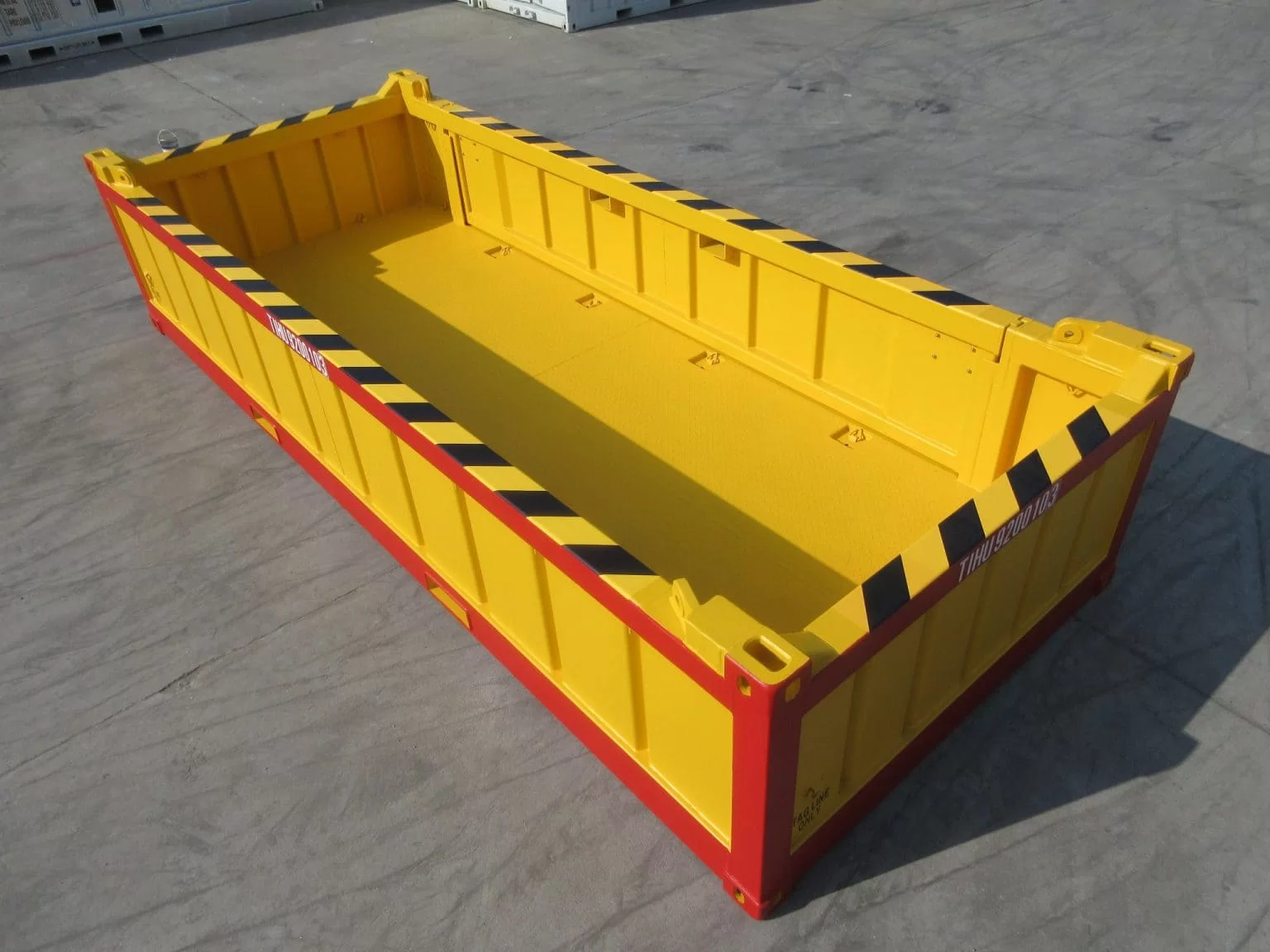
An offshore DNV container, or Det Norske Veritas container, is designed for offshore environments such as oil and gas platforms. It complies with DNV 2.7-1 standards, which require higher structural strength for lifting operations in offshore conditions and extreme weather.
8. Modified Container
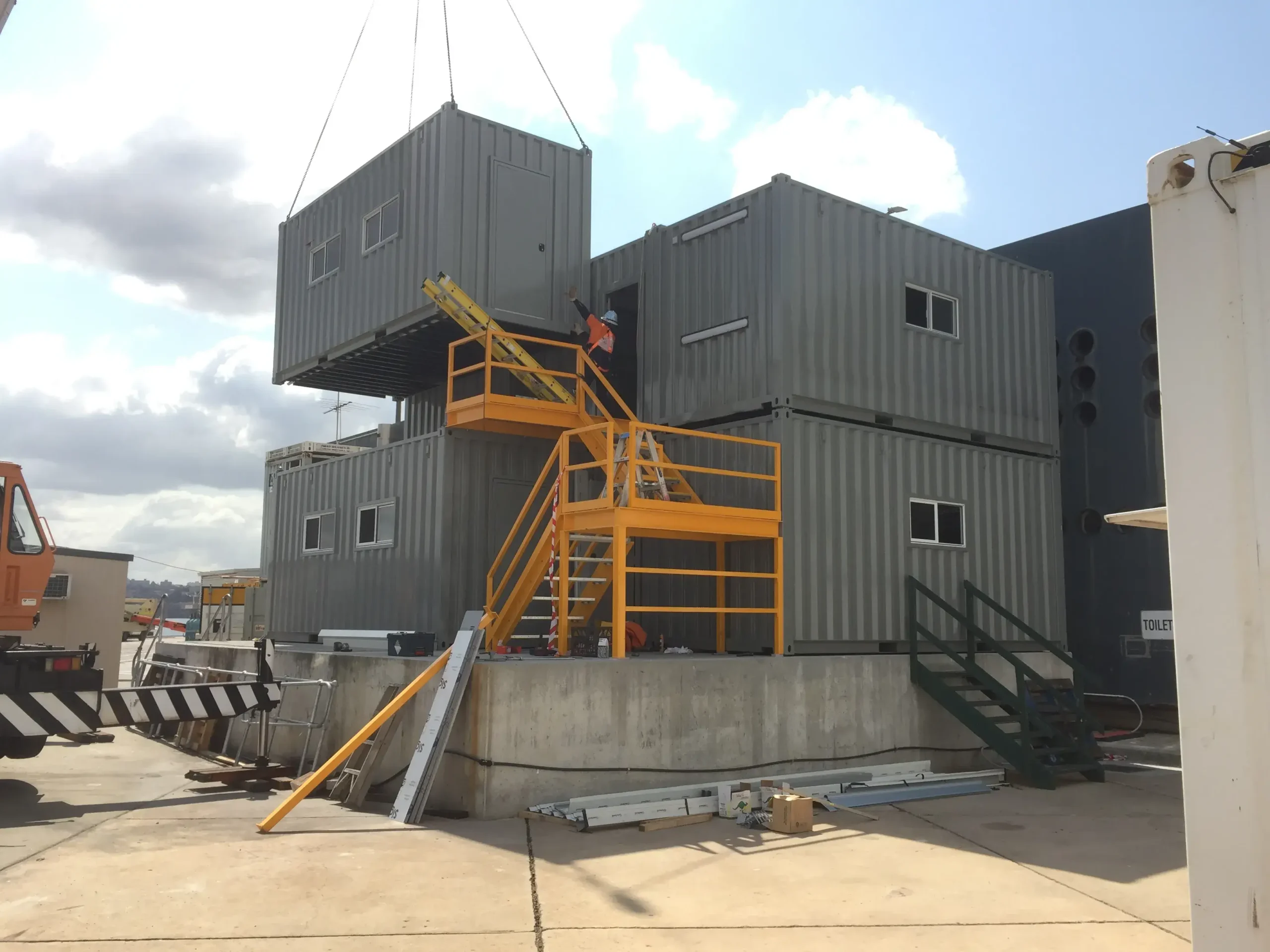
A modified container is a standard shipping container that has been altered to meet specific user needs. Examples include 20ft container offices for field work, workshop containers, toilet containers, and living space containers for remote locations.
Cargo Types and the Most Suitable Shipping Container
Choosing the right container based on cargo characteristics is key to cost-efficient logistics. Here is a practical guide.
1. General Dry Cargo
For cargo such as electronics, textiles, spare parts, packaged products, and manufactured goods that do not require special temperature control, a general purpose container is the standard choice. A 20-foot container is suitable for dense and heavy cargo, while a 40-foot container or 40 high cube container is more economical for high-volume loads.
2. Perishable Cargo
Agricultural products, frozen food, meat, fish, fruit, dairy products, and medicines require a reefer container. Reefer containers are available for short-term rental or long-term purchase.
3. Oversized and Heavy Cargo
Large industrial machinery, heavy equipment, turbines, and steel structures that exceed the standard container door dimensions require an open top container or flat rack container.
4. Liquid and Gas Cargo
Palm oil, industrial chemicals, pressurized gas, and other liquid products must be transported using an ISO tank container that meets international safety standards.
5. Field Operational Needs
Mining, construction, oil, and gas projects that require temporary offices or accommodation facilities in remote areas can use container offices or modified containers. The 20ft container office is the most popular size for this purpose.
6. Offshore Operations
For offshore platforms or marine operations, an offshore DNV container is the only option that meets safety standards for the maritime environment.
Shipping Container Prices
Shipping container prices in Indonesia are influenced by several key factors: unit size, condition (new or used), container type (dry, reefer, modified), depot location, and global market dynamics.
Based on the pricing data published by Tradecorp Indonesia, here is the current price range in the Indonesian market.
Used Container Prices
|
Container Type |
Condition |
Price Range |
| 20ft Container (Dry) | Cargo Worthy | Starting from IDR 17,000,000 |
| 40ft Container (Dry) | Cargo Worthy | Starting from IDR 27,000,000 |
| 40ft Container (Dry) | As Is | Starting from IDR 27,000,000 |
| 40ft HC Container | As Is | Starting from IDR 27,000,000 |
New Container Prices
|
Container Type |
Price Range |
| 40ft HC Brand New | Starting from IDR 78,000,000 |
| 20ft Side Open Container | Starting from IDR 182,160,000 |
| 40ft Side Open Container | Starting from IDR 289,179,000 |
| 20ft Reefer Container (2021 unit) | IDR 255,000,000 |
| 20ft Reefer Container (2025 unit) | IDR 486,000,000 |
| 40ft HC Reefer Container (2024 unit) | IDR 525,000,000 |
Please note that the prices above are estimates and may change at any time depending on unit condition, depot location, stock availability, and market conditions. For the latest and most accurate quotation, it is highly recommended to contact the Tradecorp team directly.
Factors That Affect Price
Unit condition. Brand new units with an active CSC plate are naturally more expensive than used units. Used containers in cargo worthy condition are still suitable for cargo transport and are the most popular economical choice.
Container size. The larger the size, the higher the price. However, when calculated by cubic meter cost, 40-foot and 40 high cube containers are often more economical than two 20-foot containers.
Container type. Reefer containers are much more expensive than dry containers because they are equipped with complex cooling technology. Modified container prices vary depending on the required specifications.
Depot location. Prices may differ from city to city due to transport costs from the depot to the user’s location.
Why Buy a Shipping Container from Tradecorp?
Tradecorp is an international company that has been operating in Indonesia since 2014, serving business operations and field project needs. With more than a decade of experience, Tradecorp has become a trusted partner for companies in mining, construction, oil and gas, and logistics across Indonesia.
1. Complete Product Range
Tradecorp offers a comprehensive range of container products: standard shipping containers in 20-foot and 40-foot sizes, high cube containers, reefer containers, offshore DNV containers, ISO tank containers, modified containers for various functions, prefabricated modular buildings, and light gauge steel construction. One partner for all your field operational needs.
2. ISO-Certified Quality
All units offered by Tradecorp meet international ISO certification standards, providing assurance of safety, structural strength, and optimal service life for every container investment.
3. Experience in Large-Scale National Projects
Tradecorp’s portfolio includes involvement in major projects such as coal mining accommodation in Kalimantan and Sumatra, infrastructure support for the 2018 Asian Games, and Jakarta Formula E. This track record is not just a number. It is proof of Tradecorp’s ability to handle large-scale projects with high-quality standards.
4. Transparent, Fast, and Easy
Ordering at Tradecorp is designed to be as simple as possible. Fill out the online form on the website, and the Tradecorp team will contact you to discuss your needs, prepare a transparent quotation, and execute delivery efficiently. There is no complicated manual coordination and no time-wasting process.
5. Free Consultation
Not sure which container is best for your business needs? Tradecorp’s expert team is ready to provide free consultation, help you choose the right unit, and ensure your container investment delivers maximum value to your business.
Contact Tradecorp now and get the best offer for your shipping container needs.
Best Shipping Containers for Shipping & Delivery
FAQ
How Long Does a Shipping Container Last?
A shipping container in good condition can last between 10 and 25 years for active shipping use, depending on usage intensity, environmental conditions, and maintenance.
Corten steel containers are designed to resist corrosion, ocean impact, and extreme temperature changes. After they are no longer used for shipping, used containers are still highly suitable for storage, office conversion, or other functions for many more years.
Which Shipping Container Is Suitable for Export and Import?
For general dry cargo export and import, a 20-foot or 40-foot general purpose container is the standard choice used by most exporters and importers. A 20-foot container is better for dense and heavy cargo, while a 40-foot container or 40 high cube container is more efficient for high-volume cargo. For agricultural products, food, or pharmaceuticals that require temperature control, a reefer container is the right choice.
What Is the Difference Between a 20-Foot and 40-Foot Container?
The main difference lies in size and capacity. A 20-foot container has a length of 6.06 meters, an internal volume of 33.2 m³, and can hold around 10 to 11 pallets, with a max payload of 28,400 kg.
A 40-foot container, on the other hand, has a length of 12.10 meters, an internal volume of 67.6 m³, can hold up to 24 pallets, and has a max payload of 27,060 kg. In terms of cost per cubic meter, a 40-foot container is generally more economical for large-volume cargo.
What Is a High Cube Container and When Should You Choose One?
A high cube container is a container with an external height of 9 feet 6 inches (2.90 meters), one foot taller than a standard container. Choose a high cube container when your cargo is too tall for a standard container, when you need maximum cargo volume, or when you plan to convert the container into a functional space such as an office, home, or other facility. The 40 high cube container is the most widely available and the most economical option in this category.
What Is a Reefer Container and How Does It Work?
A reefer container, or refrigerated container, is equipped with an integrated cooling system that keeps cargo within a specified temperature range, usually between -25°C and +25°C. The cooling unit works independently or is connected to the ship’s electrical supply during sea transport. Reefer containers are available for purchase or for reefer container rental depending on usage duration.
How Much Is Reefer Container Rental per Month?
Reefer container rental prices vary depending on the unit size, whether it is 20 ft or 40 ft, the year of production, rental duration, and unit condition. For the most accurate rental price based on your project’s specific needs, consult the Tradecorp team directly through the official website kontainerindonesia.co.id. The team will provide a competitive and transparent quotation.
Can a Container Be Converted into an Office?
Yes, a shipping container can be modified into many functions, including a field office, meeting room, employee mess, portable toilet, workshop, or cold room. A 20ft container office provides more than 13 square meters of functional workspace and can be equipped with air conditioning, electrical installation, partitions, windows, and doors according to your needs. Tradecorp provides container modification services with high-quality standards.