 Indonesia
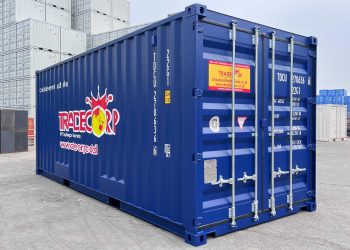
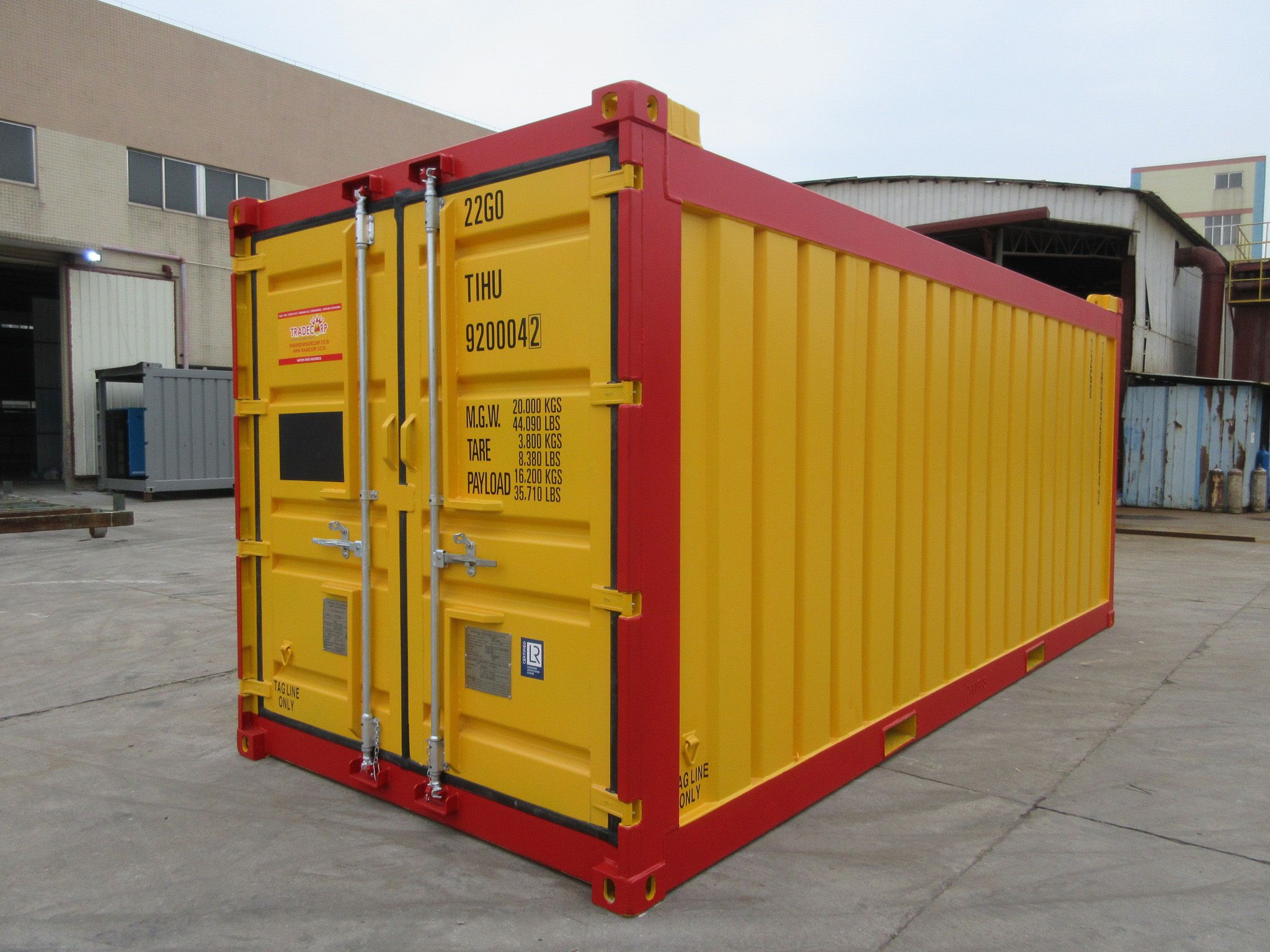
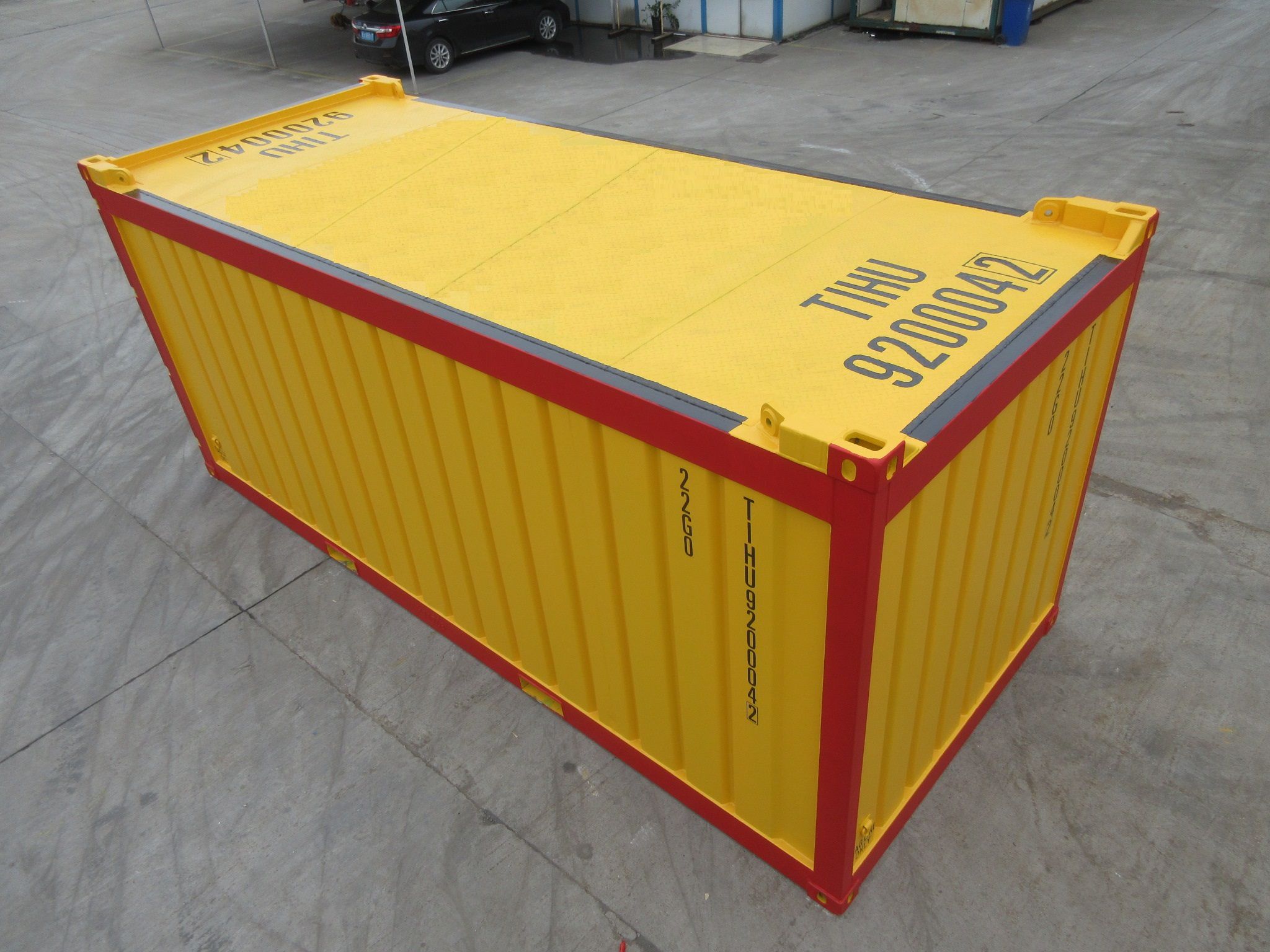
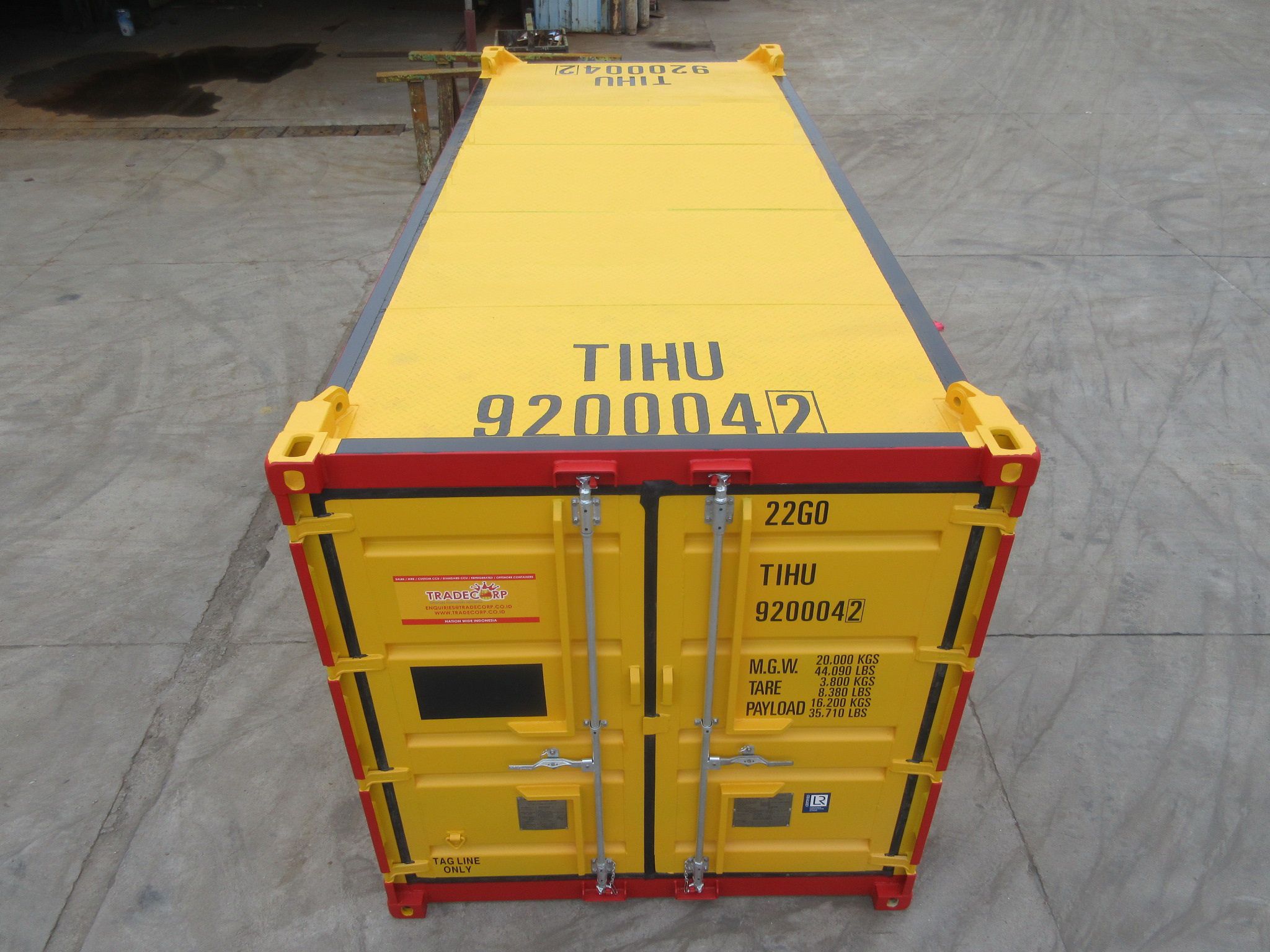
The 20ft DNV Container General Purpose model is a 20-foot General Purpose Container specifically engineered for offshore operations and certified to the DNV 2.7-1 standard set by Det Norske Veritas.
This DNV Container unit is used by companies in the oil and gas industry, offshore renewable energy, marine construction, and defense to repeatedly transport and store various types of dry cargo between land and offshore installations, such as drilling platforms, FPSOs (Floating Production Storage and Offloading), and supply vessels.
The need for DNV 2.7-1 certified units arises because the open sea environment carries risks of extreme weather, high waves, and impact during crane lifting operations on a vessel’s deck.
Unlike standard cargo containers, this unit is equipped with a pad eye system at a 45° sling angle, protective bars, external lashing points, and full penetration welding that ensure structural integrity under any offshore operating condition.
The DNV 2.7-1 standard itself covers aspects of container design, dimensions, welding methods, load capacity, and a series of tilt, lift, and impact tests before a unit receives certification.
Features of the 20ft DNV Container Model General Purpose
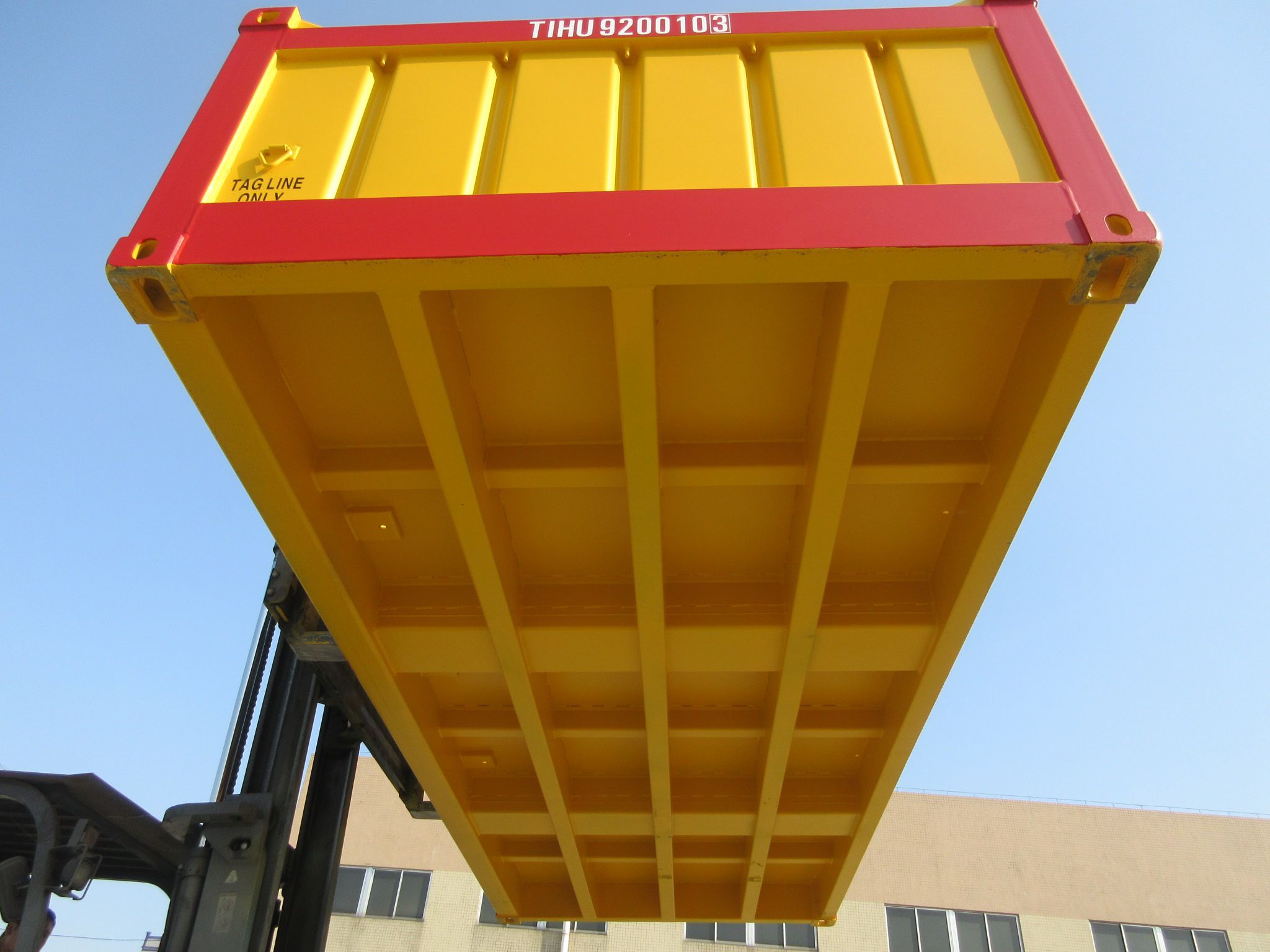
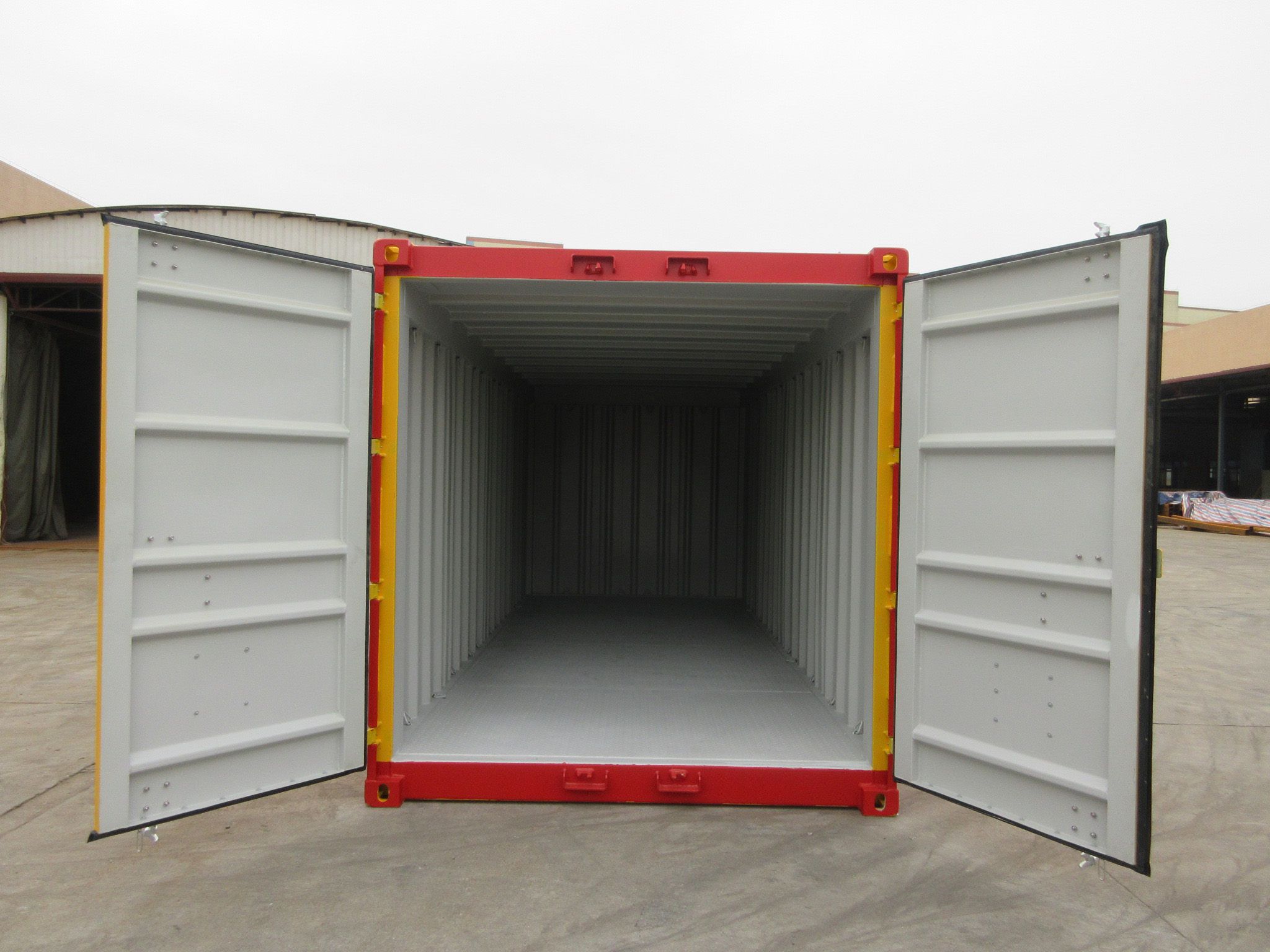
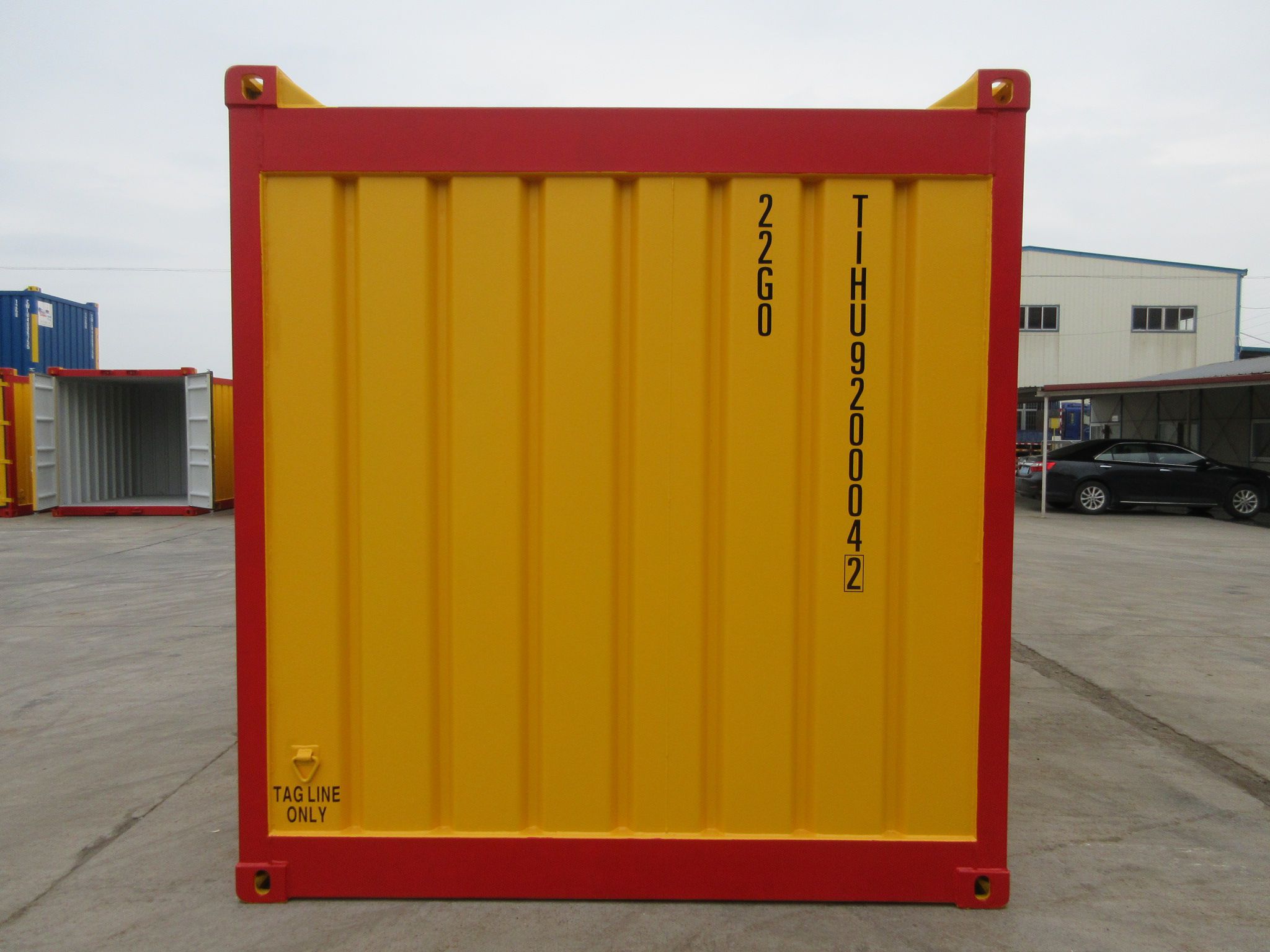
The 20ft DNV Container GP unit is not simply a reinforced standard container. It is built from the ground up with specifications intended for operation in even the harshest offshore environments. Below are the key features that distinguish it from a standard container.
1. DNV 2.7-1 Certified
This certification is not just a marketing label. DNV 2.7-1 is an international standard that sets minimum technical and safety requirements for offshore containers, covering structural design, load capacity, welding methods, and resistance to extreme conditions. Every unit goes through a rigorous inspection and testing process before receiving official certification.
2. Easy Open Door
The door is fitted with a sturdy locking bar along with a quick-opening mechanism, even in poor weather conditions at open sea.
3. Protective Bars
Protective bars on the front and rear of the container shield the doors and machinery from physical impact during crane lifting or when the unit is set down on a vessel’s deck. This feature reduces the risk of structural damage that could compromise cargo integrity.
4. Pad Eyes
Pad eyes are permanent lifting points mounted on the container frame and used together with lifting slings. The standard sling angle for this unit is 45 degrees, which ensures even load distribution and stable lifting on board a vessel or offshore platform.
5. Forklift Pockets
This unit is equipped with forklift pockets on the underside to facilitate handling by forklift on land or at the dock prior to shipment to an offshore installation.
6. External Lashing Points
Lashing points on the exterior allow oversized cargo that does not fit inside the container to be securely lashed on the outside. This feature adds operational flexibility, particularly for long materials such as pipes or drilling equipment that are a routine requirement on oil and gas platforms.
7. Full Penetration Welding
The full penetration welding method ensures that every structural joint in the container has uniform strength with no weak gaps. This is one of the mandatory requirements under the DNV 2.7-1 standard to guarantee the unit’s integrity when lifted in open-sea conditions.
8. Anti-Slip Flooring
The anti-slip floor surface improves safety for personnel working inside or around the container, particularly in wet conditions that are common in offshore environments.
9. Windproof and Waterproof
This unit is fully windproof and waterproof, protecting cargo from exposure to corrosive marine elements that can damage high-value equipment.
10. CSC Plate
New units are fitted with a CSC plate (Convention for Safe Containers) that meets international shipping requirements, allowing the unit to be integrated directly into the global logistics chain without additional administrative obstacles.
Dimensions of the 20ft DNV Container Model General Purpose
Below is the complete dimension table for the 20ft DNV Container General Purpose model, based on Tradecorp’s standard data.
|
Measurement |
External |
| Length | 6,058 mm (20′) |
| Width | 2,438 mm (8′) |
| Height | 2,591 mm (8′ 6″) |
| Door Opening | 2,338 mm x 2,253 mm |
Difference Between a Standard General Purpose Unit and the DNV Container Model GP
|
Difference |
Standard GP Container |
20ft DNV Container Model GP |
| Certification Standard | ISO 668:2013 | DNV 2.7-1 / ISO 10855 |
| Primary Use | International trade, land and sea cargo | Oil & gas industry, offshore renewable energy, FPSO, marine construction |
| Strength and Durability | Standard corrosion-resistant Corten steel | Stronger steel construction designed for harsh open-sea environments |
| Temperature Resistance | Standard weather resistance | Resistant to extreme weather down to -20°C |
| Lifting System | Spreader beam and corner castings | Permanent sling lifting via pad eyes at a 45° sling angle |
| Protective Bars | None | Present, to protect doors and machinery from impact |
| External Lashing Points | Limited | Available for flexibility in securing oversized cargo |
| Welding Method | Standard welding | Full penetration welding per DNV 2.7-1 requirements |
| Forklift Pockets | Standard | Present, with additional reinforcement |
| Open-Deck Use | Not designed for it | Designed for stacking on open decks, resistant to waves and sea weather |
| Flooring | Standard | Anti-slip |
For regular commercial cargo shipments, a standard GP container is perfectly adequate. However, for offshore operations, only units certified to DNV 2.7-1 meet the minimum safety requirements. Using an uncertified container in offshore areas not only violates international regulations but also endangers personnel safety and the integrity of project assets.
Where Is the 20ft DNV Container Model GP Used?
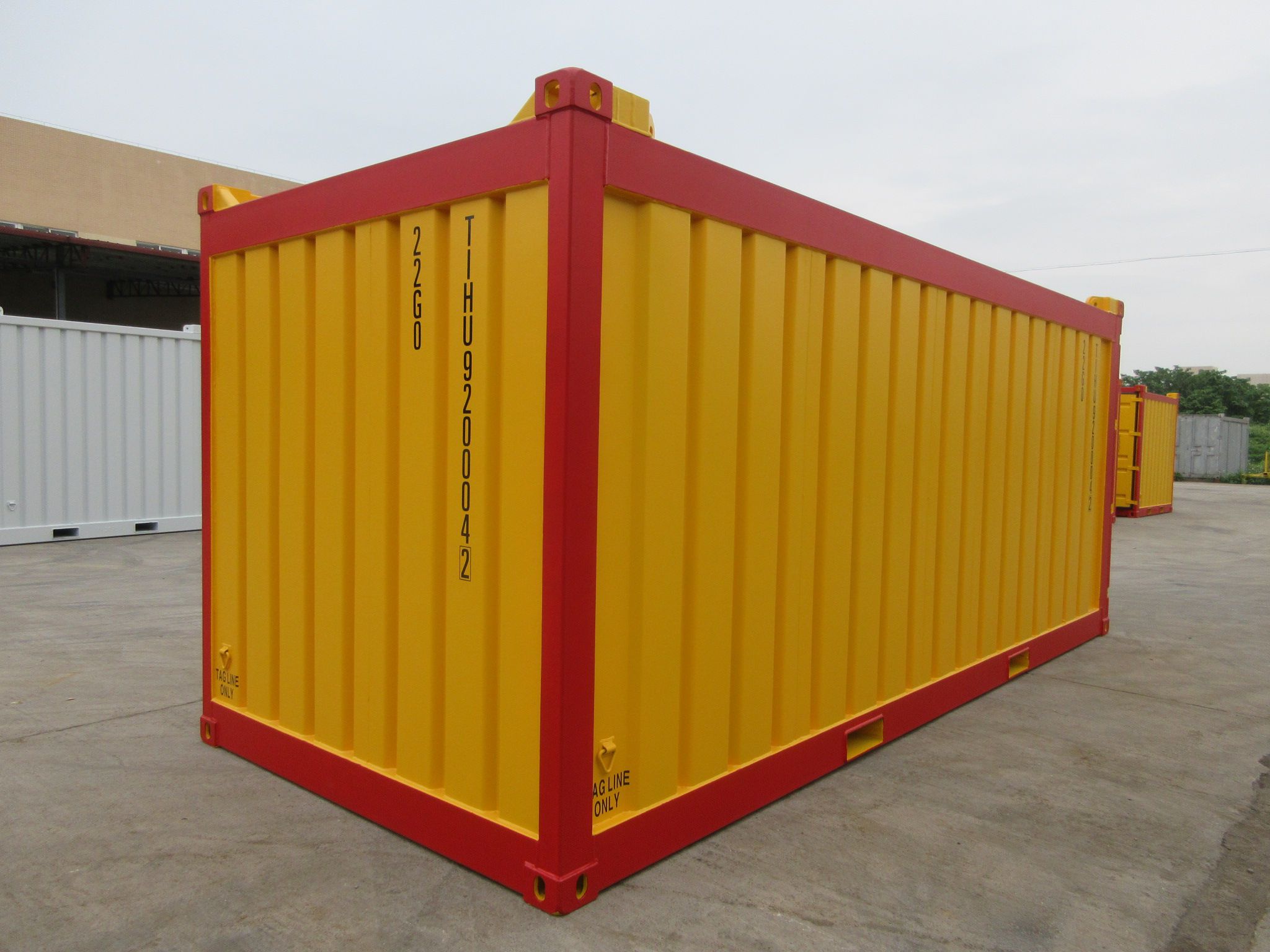
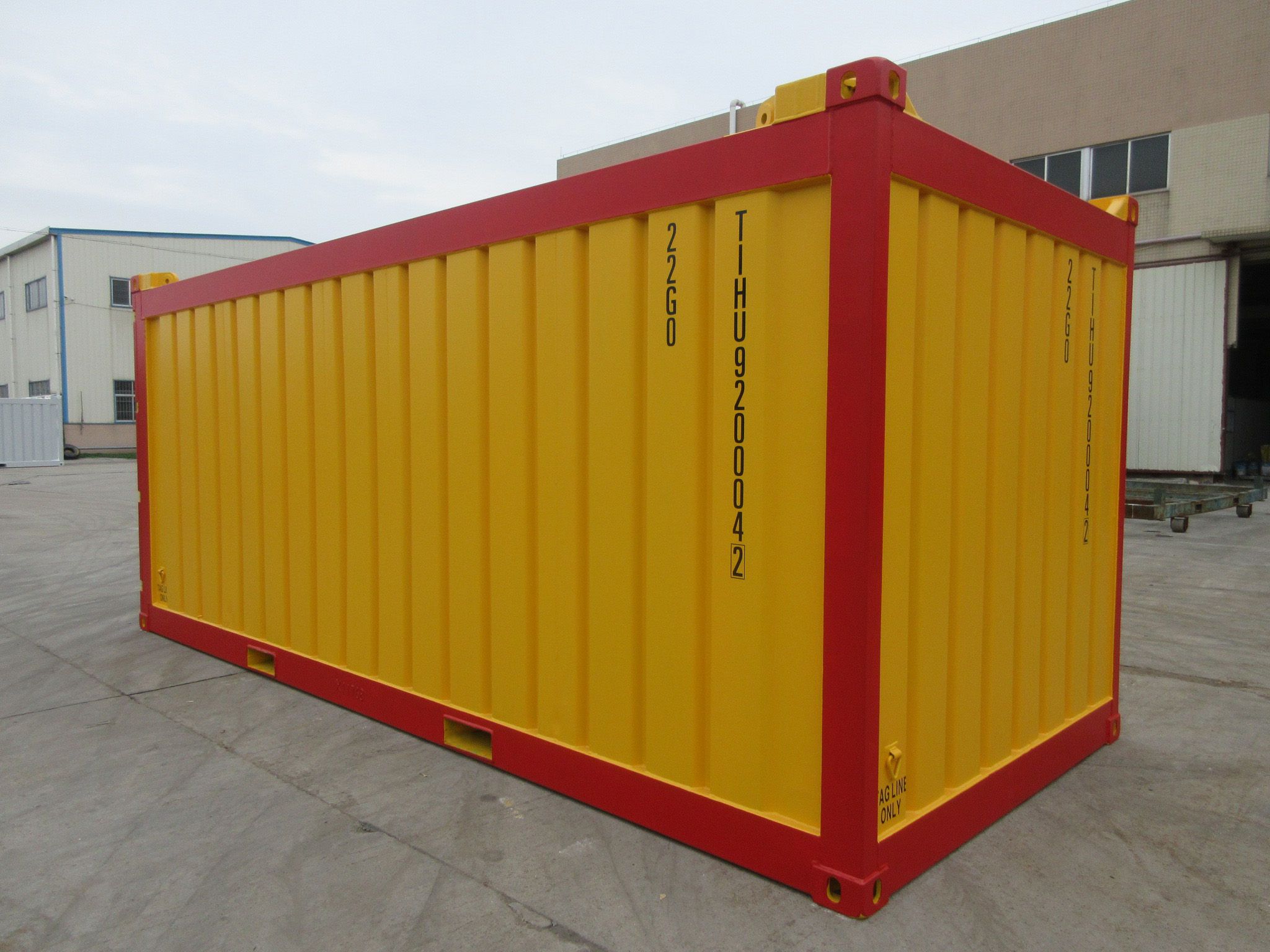
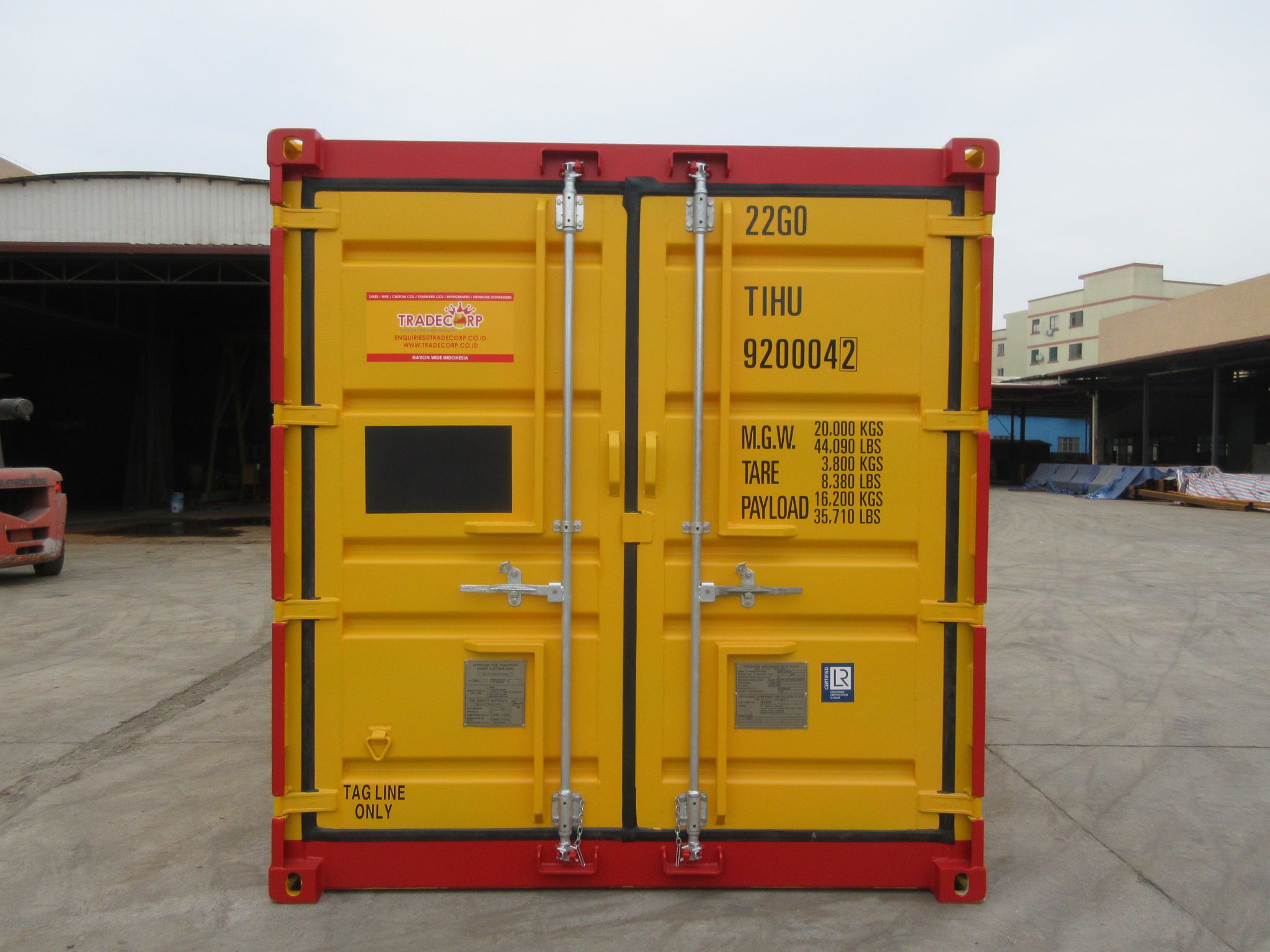
This unit is in demand across various heavy industry sectors that operate in open-sea environments, including:
Oil and Gas Industry
The 20ft DNV Container GP unit is used to transport tools, spare parts, drilling equipment, subsea materials, and daily supplies for drilling platforms. In Indonesia, companies such as Pertamina EP, PHM, PHE OSES, BP Tangguh, ENI Muara Bakau, and various EPC contractors require these units routinely within their platform supply chain cycles.
FPSO (Floating Production Storage and Offloading)
FPSO operations depend on tight, regular supply cycles. The 20ft DNV Container GP unit enables efficient and safe dry cargo transfer between supply vessels and FPSO units without compromising on safety standards.
Offshore Renewable Energy
Offshore wind farm projects and tidal energy installations require reliable container logistics to transport turbine components, installation equipment, and maintenance materials to work sites at sea, where access and weather conditions are the main challenges.
Marine Construction
Dredging projects, and the construction of docks, bridges, and piers, use this unit to distribute materials and equipment in marine work zones that require repeated crane lifting.
What Are the Advantages of Ordering a DNV Container from Tradecorp?
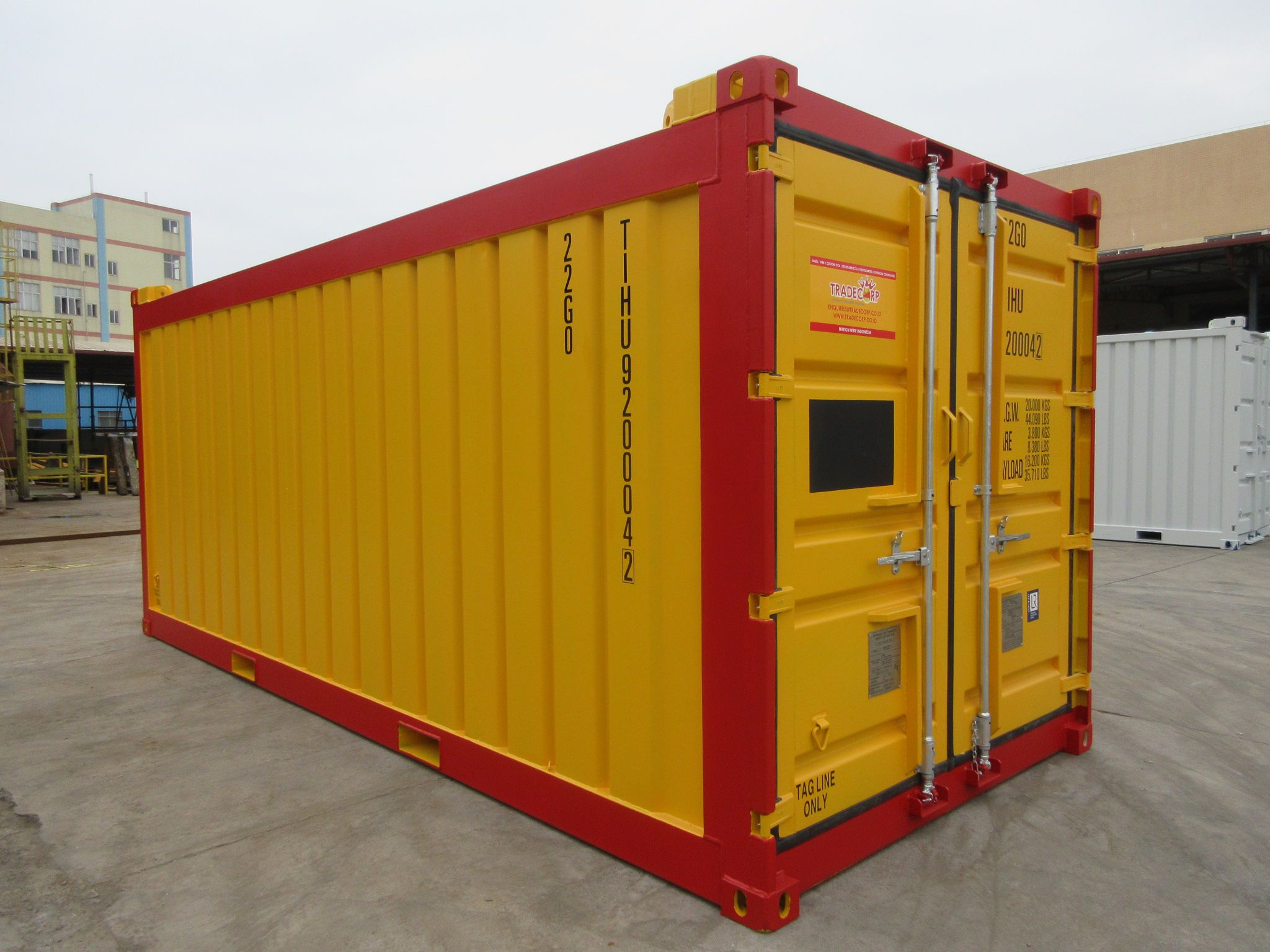
Tradecorp Indonesia is the right partner for your offshore container needs. Here are the reasons why major companies in Indonesia’s oil & gas and marine industries trust Tradecorp with their container needs.
New and Used Stock Available
Tradecorp provides the 20ft DNV Container GP in both new and quality used condition. This flexibility lets you tailor your purchase to your project budget without compromising on safety or certification standards.
Sale and Rental Options Available
Not every project requires a permanent unit. Tradecorp offers short-term and long-term rental options, allowing container procurement costs to be precisely matched to the duration and scale of your offshore project.
National Depot Network
With depots in Jakarta, Surabaya, Balikpapan, and Sumbawa, Tradecorp has national reach to serve offshore projects across Indonesia, including oil and gas exploration areas in East Kalimantan, Java, and West Nusa Tenggara.
Experienced in the Container Industry
Tradecorp has a long track record in the container industry, including handling major projects such as the 2018 Asian Games and the 2023 Jakarta Formula E. This experience means our team understands the specific needs of the offshore industry and can provide well-targeted recommendations.
ISO Certified
Tradecorp Indonesia is certified to ISO 9001:2015 (quality management), ISO 14001:2015 (environmental management), and ISO 45001:2018 (occupational health and safety management) to ensure the entire container procurement and delivery process complies with international standards.
Modification to Suit Project Needs
Need a unit with additional features such as storage racks, interior lighting, electrical installation, or field workshop equipment? Tradecorp has container modification facilities ready to tailor the 20ft DNV Container GP unit to your project specifications.
Free Consultation and Quotation
Don’t hesitate to contact the Tradecorp team. Needs consultation and price quote requests are free of charge. Fill out the form at kontainerindonesia.co.id and our team will respond promptly.
FAQ
What is a 20ft DNV Container General Purpose model?
The 20ft DNV Container General Purpose model is a type of General Purpose container for transporting dry cargo, sized at 20 feet, and certified to DNV 2.7-1 for offshore operations. This unit is designed to repeatedly and safely transport various types of dry cargo, such as tools, spare parts, drilling materials, and subsea equipment, from land to offshore installations and back.
What is the difference between DNV 2.7-1 certification and a standard ISO standard?
The ISO 668:2013 standard governs containers for general international trade. DNV 2.7-1 is a specific standard for offshore containers that includes additional requirements, such as full penetration welding, pad eyes with a 45° sling angle, impact and tilt testing, and resistance to extreme weather down to -20°C. Containers built to the standard ISO standard alone do not meet the safety requirements for use in offshore areas.
What is the maximum weight that can be loaded into a 20ft DNV Container GP?
The maximum gross weight of this unit is 20,000 kg, making it suitable for transporting heavy cargo such as drilling equipment, large machine spare parts, and offshore construction materials.
Is the 20ft DNV Container GP available for rent?
Yes. Tradecorp Indonesia offers this unit for rent under short-term or long-term contracts. The rental option is well suited to offshore projects with a limited duration or capacity needs that change with project phases.
Where can I order a 20ft DNV Container in Indonesia?
You can contact Tradecorp Indonesia through the website kontainerindonesia.co.id. Our team is ready to provide the best quotation based on your unit needs and project location.
Can this unit be modified to suit project needs?
Yes. The 20ft DNV Container GP can be modified with various additional features, such as storage racks, interior lighting installation, electrical systems, and field workshop equipment. Tradecorp has experienced container modification facilities and a team ready to tailor the unit to your offshore project specifications.
What industries use the 20ft DNV Container GP?
This unit is most widely used in the oil and gas industry, including FPSO operations and drilling platforms. It is also used in the offshore renewable energy sector (wind and tidal), marine construction (dredging, docks, bridges), and defense and military operations that require container logistics in open-sea environments.