 Indonesia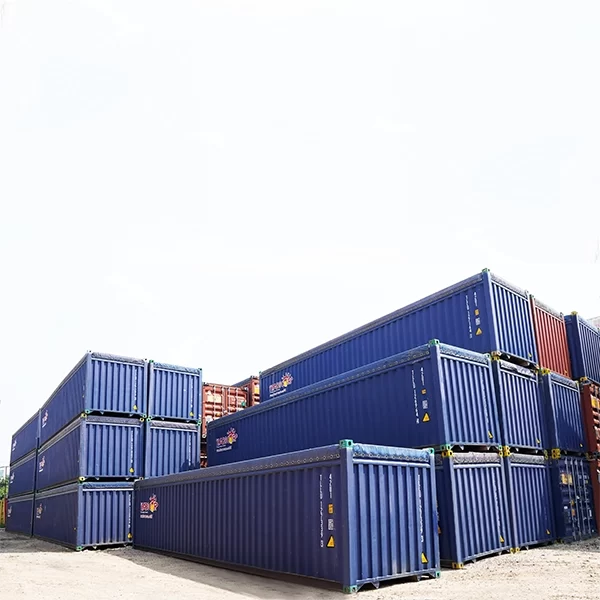
What types of containers are there? Many container types are used for cargo shipping, including dry or general purpose, high cube, refrigerated, open top, flat rack, ISO tank, side opening, hazmat, and half height. Each type is designed to meet different cargo needs, from general cargo in cartons and pallets, to temperature-sensitive products, to oversized goods like heavy machinery and steel pipes.
Exporters, importers, logistics companies, project contractors, and players in Indonesia’s oil & gas and mining industries use shipping containers for domestic and import-export shipments, both by sea and land.
Choosing the right container type is crucial because it affects cargo safety, shipping cost efficiency, and the smoothness of loading and unloading. Tradecorp Indonesia, an ISO-certified supplier of standard and special containers since 2014, is ready to help you determine the most suitable container type for your cargo characteristics and operational needs.
Let’s get familiar with the standard and special container types below, complete with sizes and uses, so your ordering decision hits the mark.
Standard Container Types
Best Shipping Containers for Shipping & Delivery


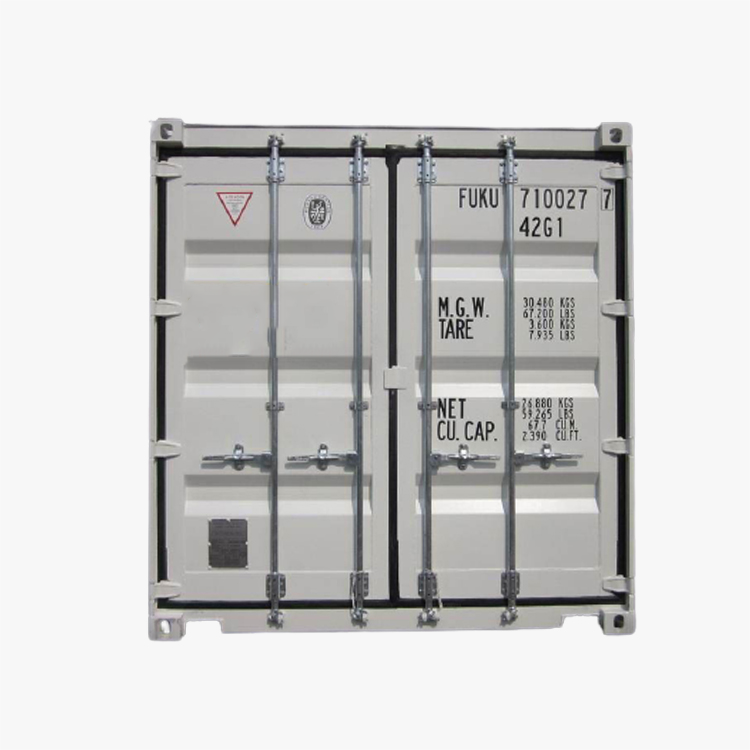

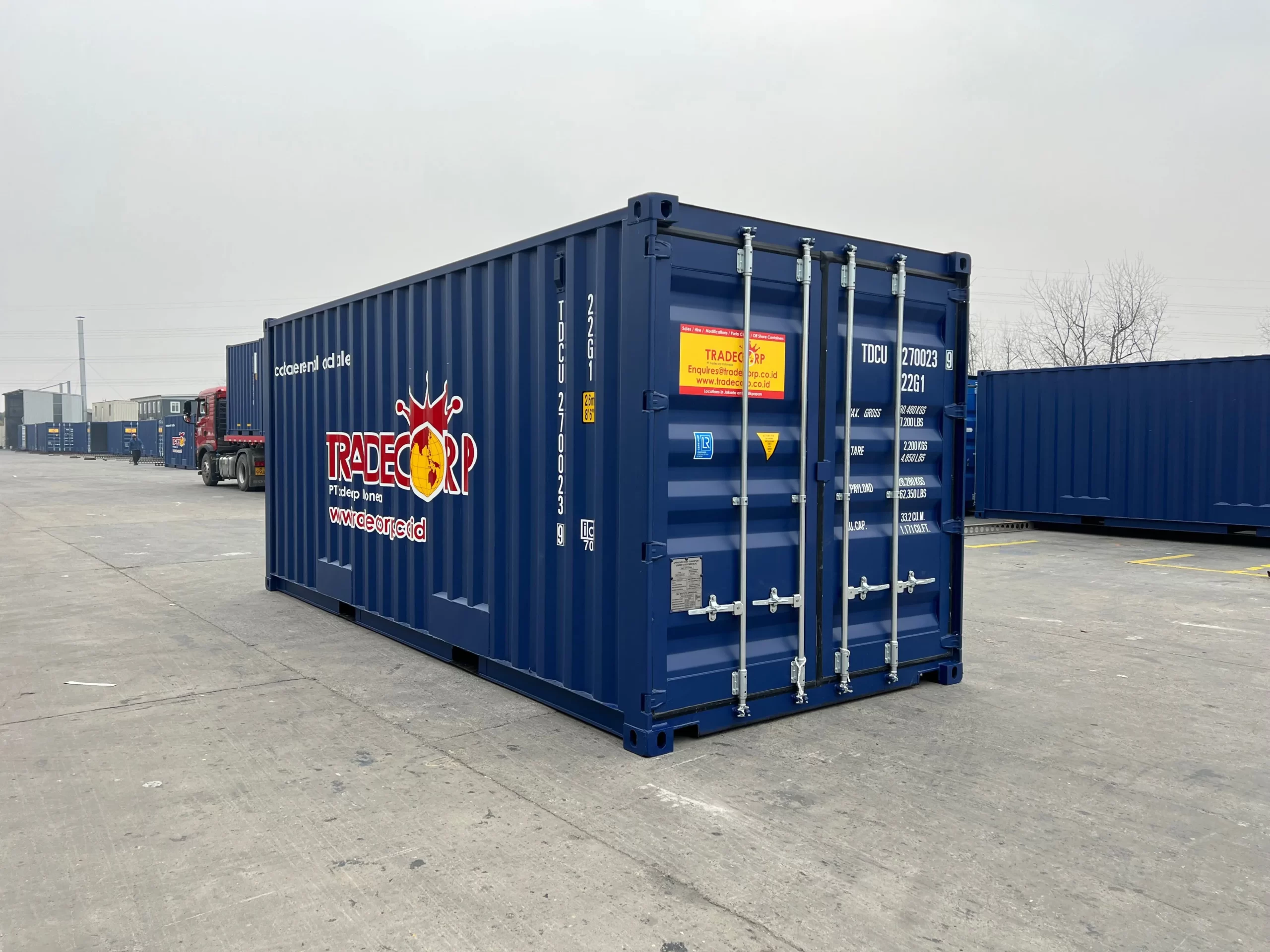

Standard containers are the most commonly used container type for cargo shipping, both domestic and import-export. They’re called “standard” because their size and specifications can accommodate many cargo types that don’t require special handling.
Dry Shipping Container (General Purpose)
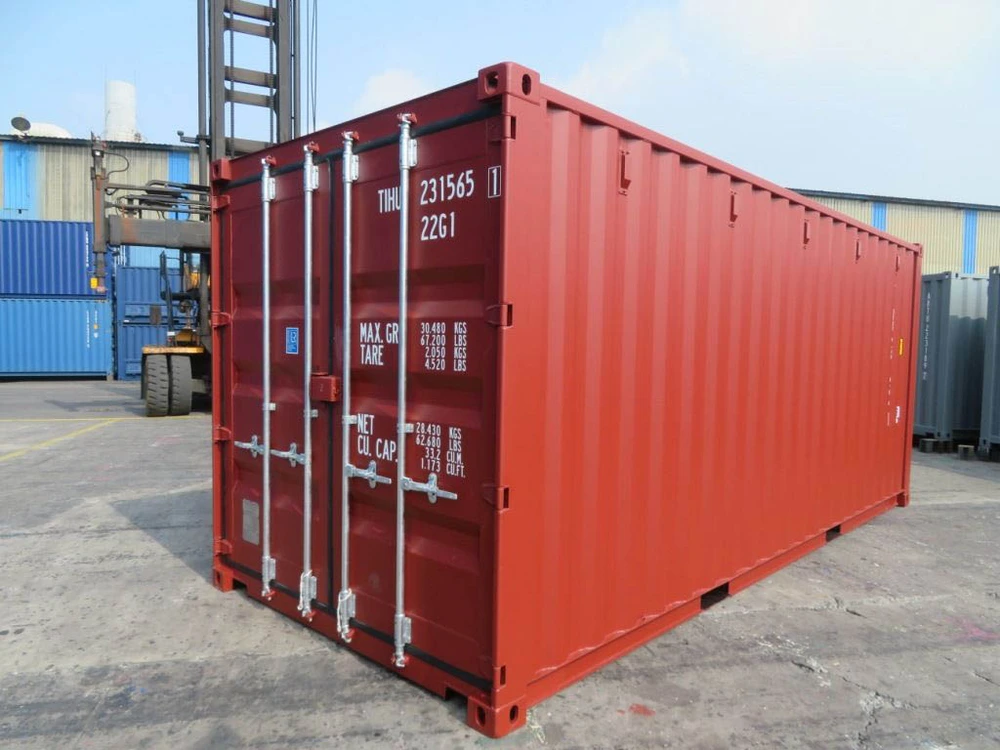
General purpose container, better known as the dry shipping container, is a standard container type made of corten steel used for general cargo such as cartons, pallets, small machinery, and building materials. This container type is the most frequently chosen because it’s flexible for almost any dry cargo that doesn’t require special handling.
Dry containers are available in 20ft and 40ft sizes, with a door at one end for loading and unloading. Tradecorp provides 20′ General Purpose Containers and 40′ General Purpose Containers, both new and used, complete with purchase and rental options.
Kontainer Pengiriman Terbaik untuk Shipping & Delivery


Special Container Types
Besides standard containers, there are many special container types designed to meet cargo needs that don’t fit into a regular dry container. These types are built for transporting liquid cargo, dangerous cargo, and oversized loads. Here are the container types and brief explanations of each.
Side Opening Container
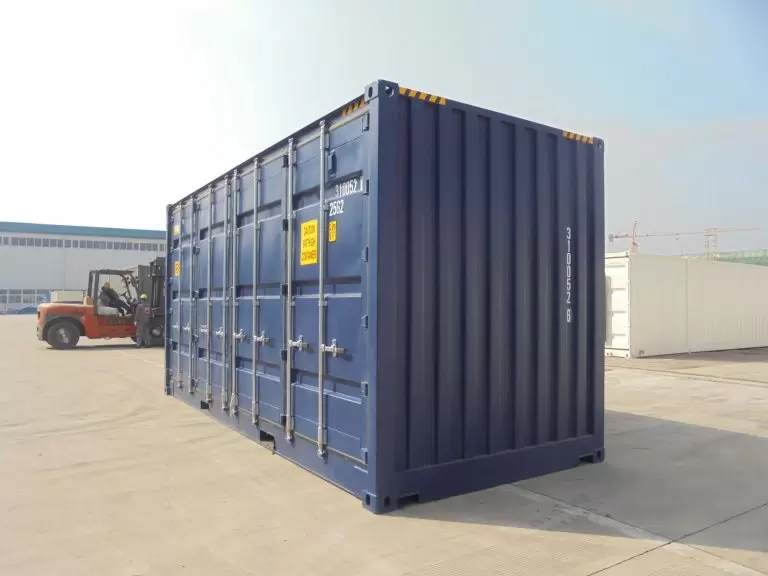
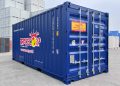
Side opening container has an additional door on the side, not just at the end like a regular dry container. This design makes it easier to load long or wide goods, such as panels, furniture, and machinery that are difficult to fit through a rear door. See the details of the Side Opening Container at Tradecorp.
Mini Container

Mini container comes in compact sizes, starting from 6, 8, up to 10 feet. This type is suitable for storing limited quantities of goods, or for being modified into a small warehouse, business kiosk, or any location with limited space. See Tradecorp’s Mini Container options for your needs.
Refrigerated Container
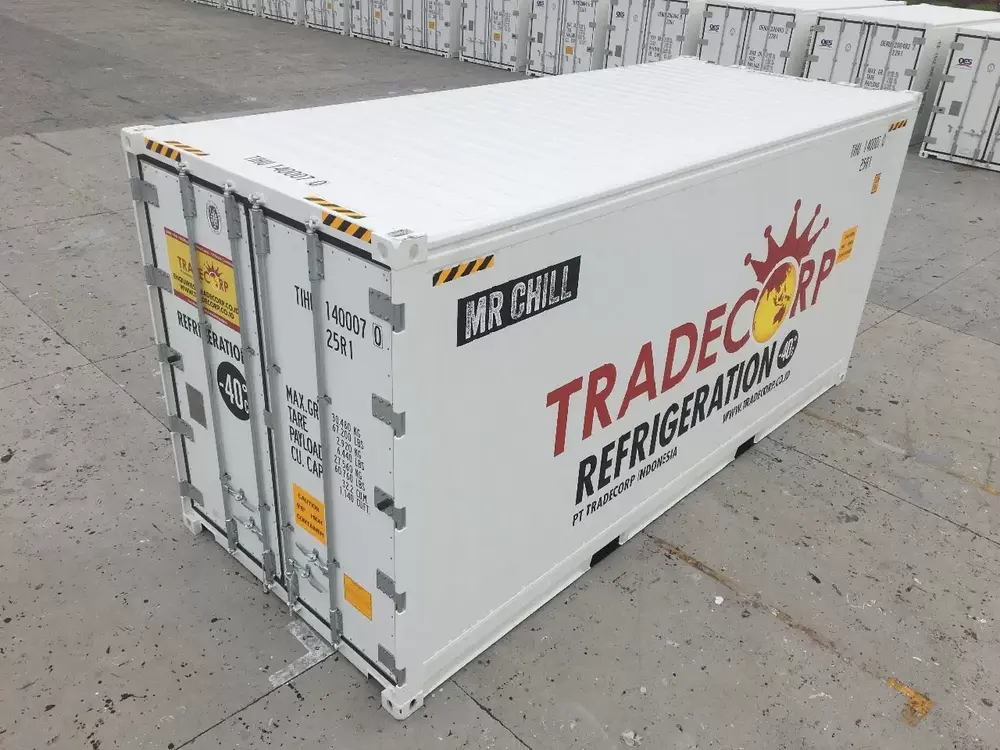
Refrigerated container, or reefer container, has an integrated cooling unit so the temperature inside can be set and kept consistent. This container type is required for temperature-sensitive cargo such as fresh food, pharmaceutical products, and certain chemicals. Learn more about Refrigerated Containers at Tradecorp.
Hazmat Container
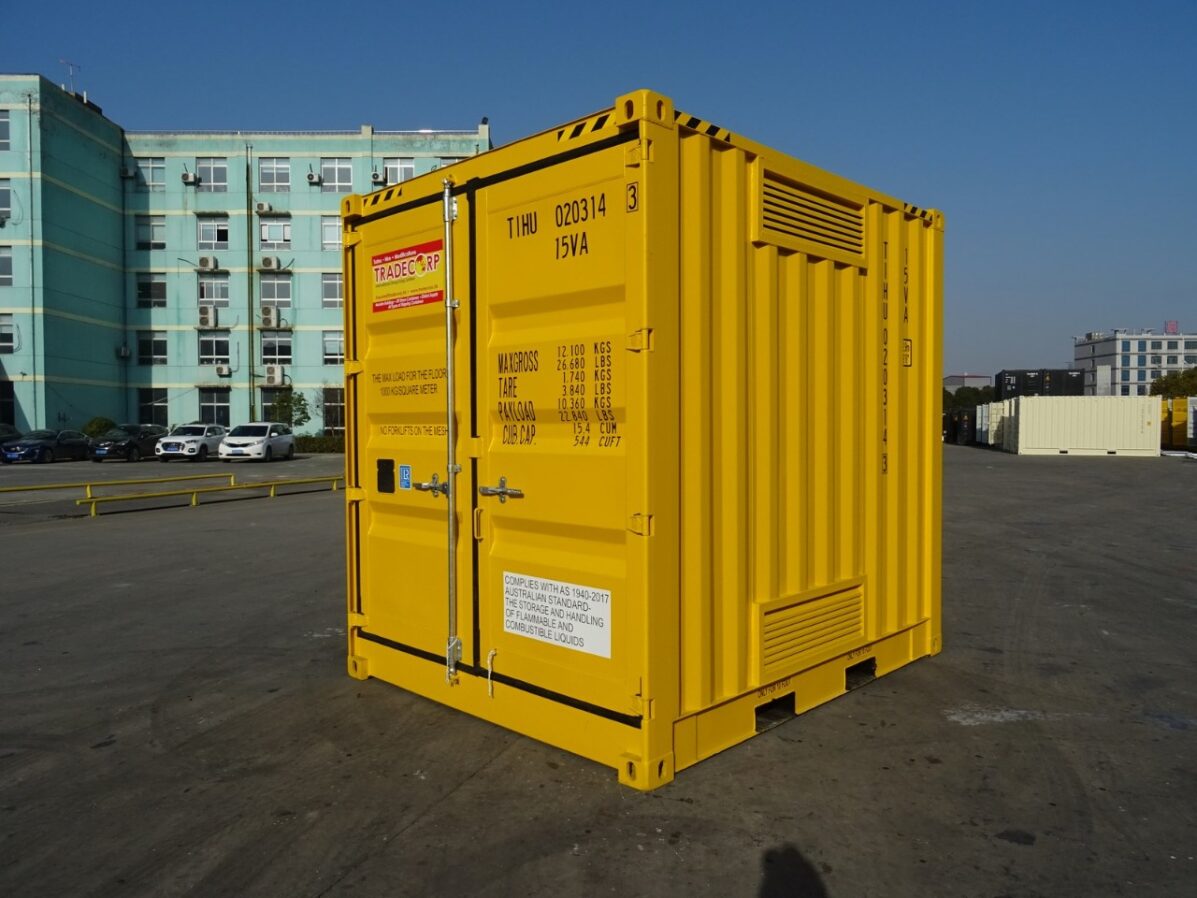
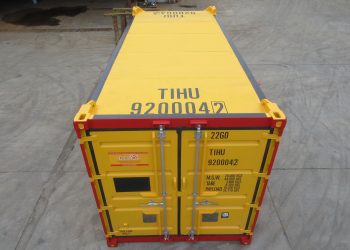
Hazmat container is built with additional safety features, such as special ventilation and leak-containment structures, for transporting chemicals, flammable liquids, and other dangerous cargo in line with IMDG Code regulations. Tradecorp supplies a range of Dangerous Goods Containers for your industry’s needs.
ISO Tank Container
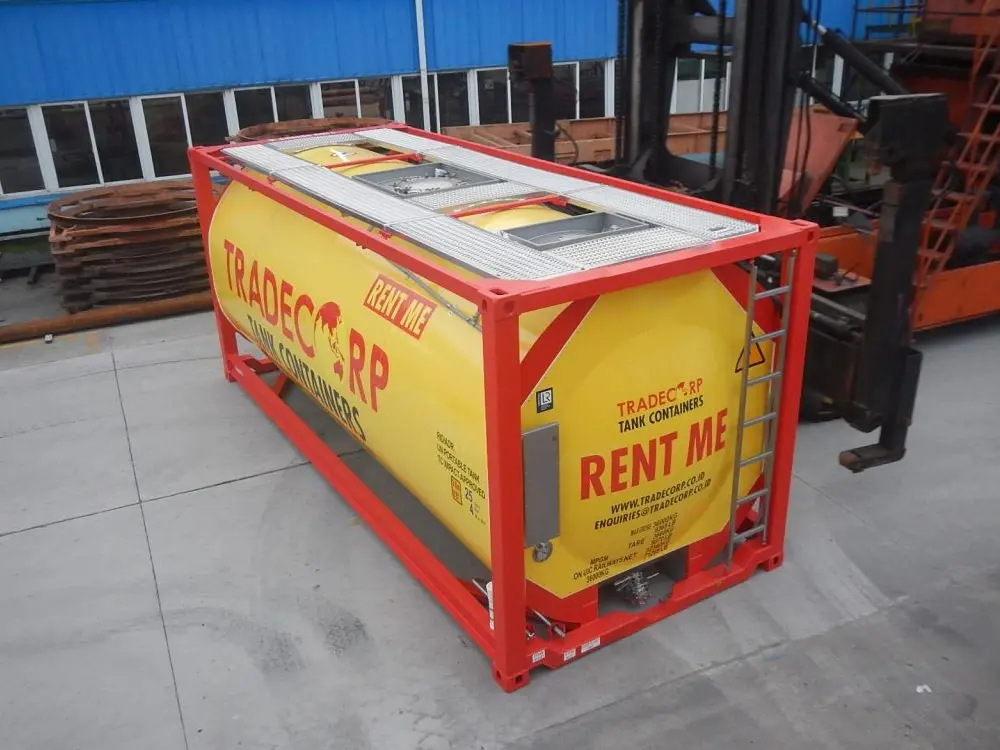
ISO tank container is shaped like a cylindrical tank mounted in a steel frame with standard ISO dimensions. This container type is used specifically for liquid and gas cargo, including dangerous chemicals, fuel, and liquid food products. Check out the ISO Tank Container options at Tradecorp.
Half-Height Container
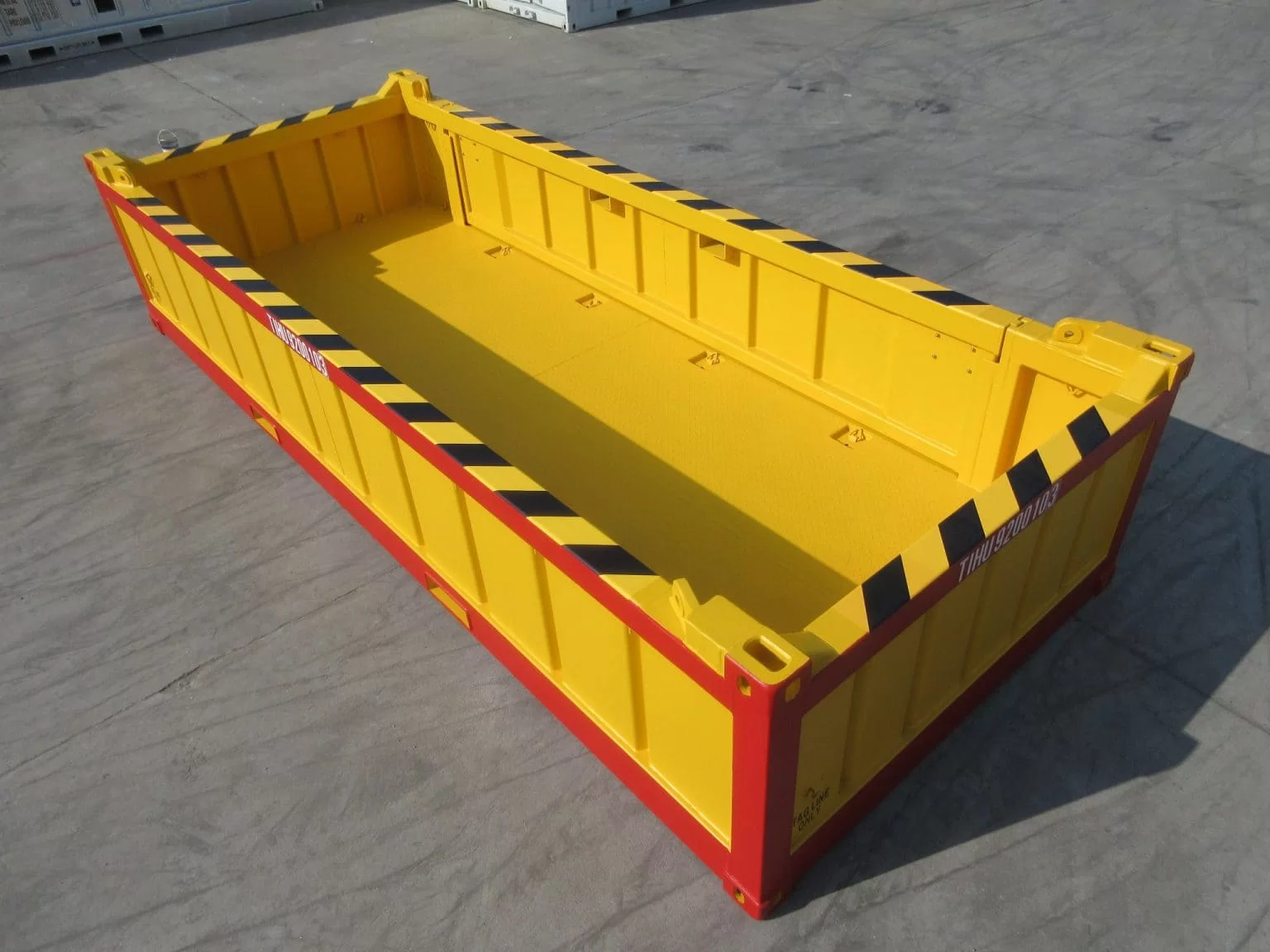
Half-height container has a height of about half that of a standard container. This design makes it easier to load dense, heavy cargo such as rock, sand, or mining materials without exceeding the cargo weight limit. See the details of the Half Height Container at Tradecorp.
Open Top Container
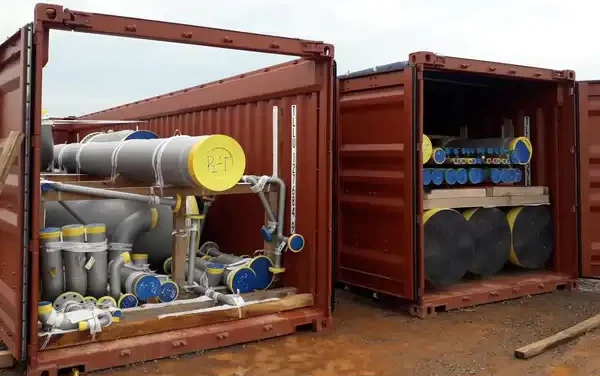
Open top container has no permanent roof; instead, it’s covered with a removable tarpaulin. This type is ideal for cargo that must be loaded from above, such as large machinery, glass sheets, or logs. Read more about the Open Top Container at Tradecorp.
Flat Rack Container
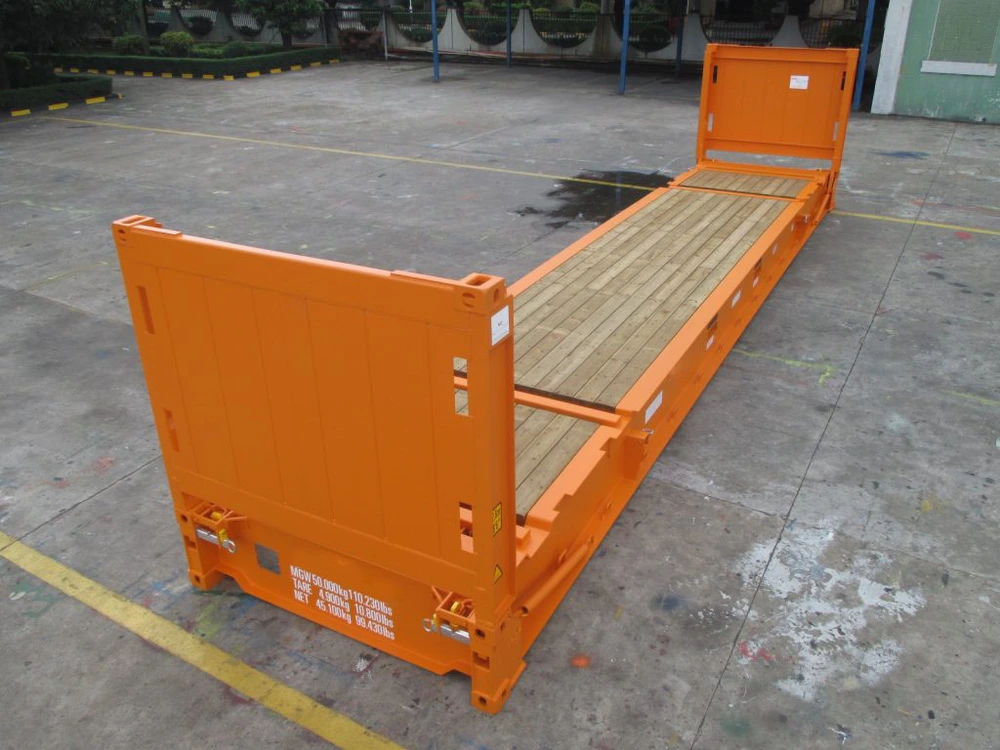
Flat rack container has no side walls, and on some models the end walls can be folded down. This open design makes it easier to transport oversized cargo such as pipes, vehicles, and heavy equipment. Check out the Flat Rack Container options at Tradecorp.
Bulker Container
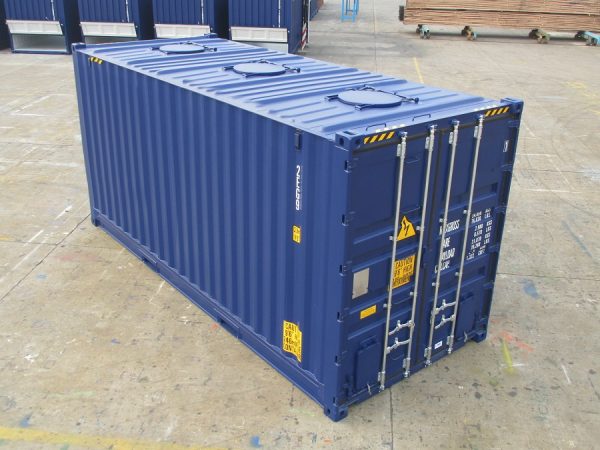
Bulker container is built specifically for dry bulk cargo, such as grains, cement, and granular mining materials. Openings at the top and bottom make loading and unloading bulk cargo easier. Learn about the Bulker Container at Tradecorp.
Coal Bin Container
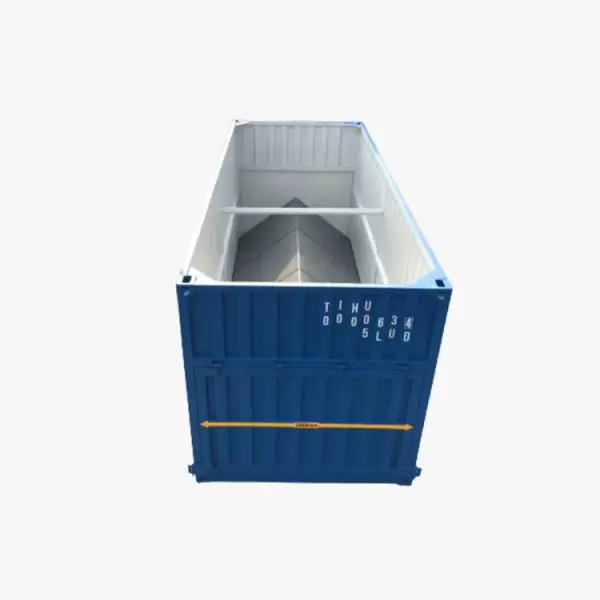
Coal bin container is a special container type for transporting coal, fitted with openings that make loading and unloading large volumes of bulk cargo easier. This type is widely used in the mining and energy sectors. See the specifications of Tradecorp’s Coal Bin Container.
Pallet Wide
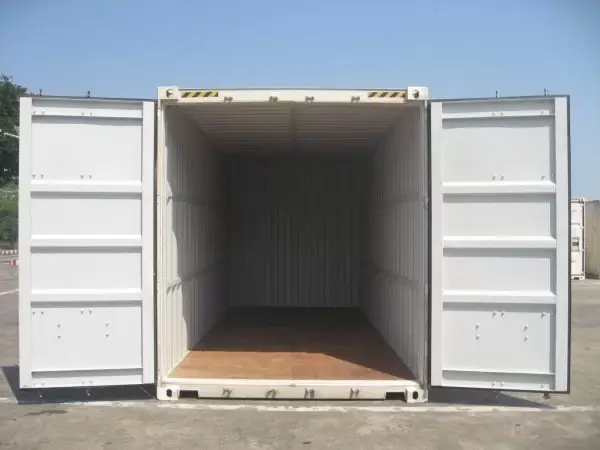
Pallet wide container has an expanded internal width that fits standard Euro pallet dimensions. This design maximizes load space and reduces wasted room when transporting pallet-based cargo. Check out the Pallet Wide Container at Tradecorp.
Double Door
Double door container has doors at both ends, so loading and unloading can happen from both sides at once. This feature speeds up operations at warehouses or project sites with high cargo volume. See the details of the Double Door Container at Tradecorp.
Duocon
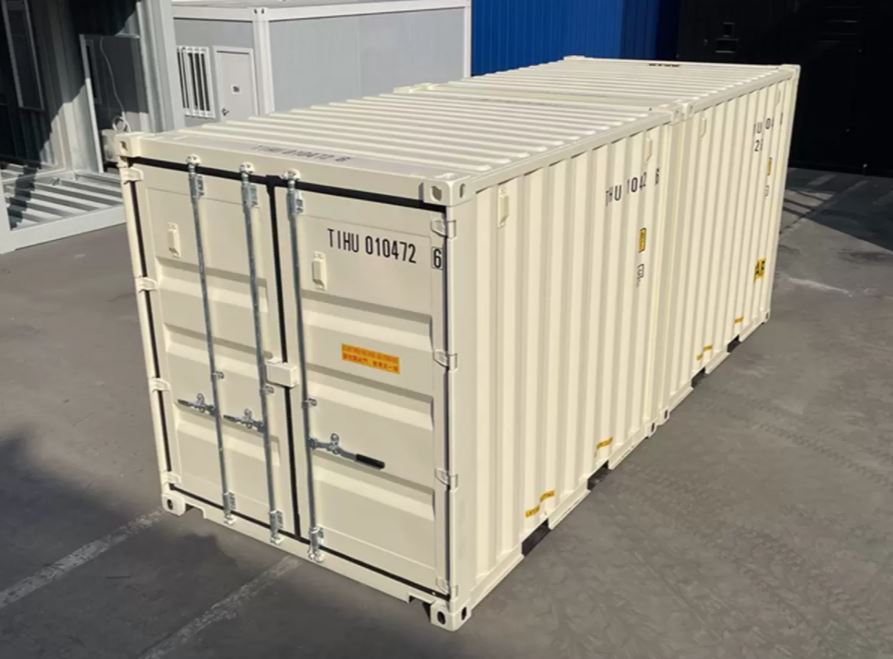
Duocon is a container with an internal partition that divides the space into two separate compartments. This type is suited to loading two different cargo types in one shipping unit without the risk of mixing. Check out the Duocon Container at Tradecorp.
Container Types by Size
Besides being distinguished by function, container type and size are also important factors to weigh before ordering. Broadly, container sizes fall into two main groups: standard size and high cube size. This split applies to nearly all standard container types, from general purpose to refrigerated to flat rack.
Here are the length, width, and height dimensions for each size, in meters.
|
Size |
Length | Width | Standard Height |
High Cube Height |
| 10 Feet | 2.991 m | 2.438 m | 2.591 m | 2.896 m |
| 20 Feet | 6.058 m | 2.438 m | 2.591 m | 2.896 m |
| 40 Feet | 12.192 m | 2.438 m | 2.591 m | 2.896 m |
| 45 Feet | 13.716 m | 2.438 m | 2.591 m | 2.896 m |
| 48 Feet | 14.630 m | 2.438 m | 2.591 m | 2.896 m |
Differences Between Standard and High Cube Container Sizes
The main difference between standard and high cube container sizes is unit height. Length and width are identical for both; only the height differs, by about one foot.
- Standard container: height of 8 feet 6 inches, or 2.591 meters.
- High cube container: height of 9 feet 6 inches, or 2.896 meters.
- Volume: a 40-foot standard container holds about 67.6 cubic meters, while a 40ft high cube holds about 76.3 cubic meters.
Choose standard size if cost efficiency and ease of transport are your priorities, especially when your cargo doesn’t need extra vertical space. Choose high cube size if your cargo is high-volume, tall, or if the container will be modified into an office container, warehouse, or modular building.
For a full breakdown of dimensions across all container sizes, also read Container Sizes in Meters, From 10 to 48 Feet.
Why Order Containers from Tradecorp?
Tradecorp Indonesia meets your need for a complete, high-quality, and easy-to-order container range. Here are the benefits you get.
The most complete selection of container types and sizes. From general purpose and high cube to over a dozen special container types, all available in one place, from 6 feet to 48 feet.
ISO-certified quality guarantee. Every Tradecorp container unit is made from high-quality corten steel, has passed ISO certification, and is registered with the Bureau International des Containers et du Transport Intermodal (BIC).
Fast, hassle-free ordering. Just tell us your cargo type, shipping location, and timeline, and the Tradecorp team will prepare unit recommendations and a best offer without a back-and-forth that eats into your operational time.
Flexible purchase and rental options. Both purchase and rental are available to match your project’s duration, whether short-term or long-term.
Ready for small to large orders. Tradecorp has experience handling container needs for oil & gas, offshore, construction, and nationwide logistics projects in Jakarta, Surabaya, and other cities across Indonesia.
Don’t delay your operational needs. Get a quote for the container type you need, or check out Tradecorp’s container purchase and rental options now!
Best Shipping Containers for Shipping & Delivery
Kontainer Pengiriman Terbaik untuk Shipping & Delivery
FAQ
What container types are available at Tradecorp?
The available container types are dry or general purpose, high cube, refrigerated, ISO tank, side opening, mini, hazmat, half height, open top, flat rack, bulker, coal bin, pallet wide, double door, and duocon.
What is each container type used for?
Each container type serves a different purpose. Dry containers handle general cargo, refrigerated containers handle temperature-sensitive cargo, ISO tank and hazmat containers handle liquid and dangerous cargo, while flat rack and open top containers handle oversized cargo.
What are the most commonly used 20ft and 40ft container types?
The most commonly used 20-foot and 40-foot container types are general purpose or dry containers, in both standard and high cube sizes, for domestic and import-export cargo shipping.
How are container types and sizes grouped?
Container types and sizes are grouped by unit length, 10, 20, 40, 45, and 48 feet, then further split into two height categories: standard and high cube.
What’s the difference between standard and high cube containers?
The main difference is unit height. Standard containers stand 2.591 meters tall, while high cube containers stand 2.896 meters tall.
Which container type is best suited for export?
The most commonly used container types for export are 20ft and 40ft general purpose for dry cargo, refrigerated for temperature-sensitive products, and ISO tank and hazmat containers for liquid cargo and dangerous goods that must comply with international regulations.