
10' Dry Shipping Container
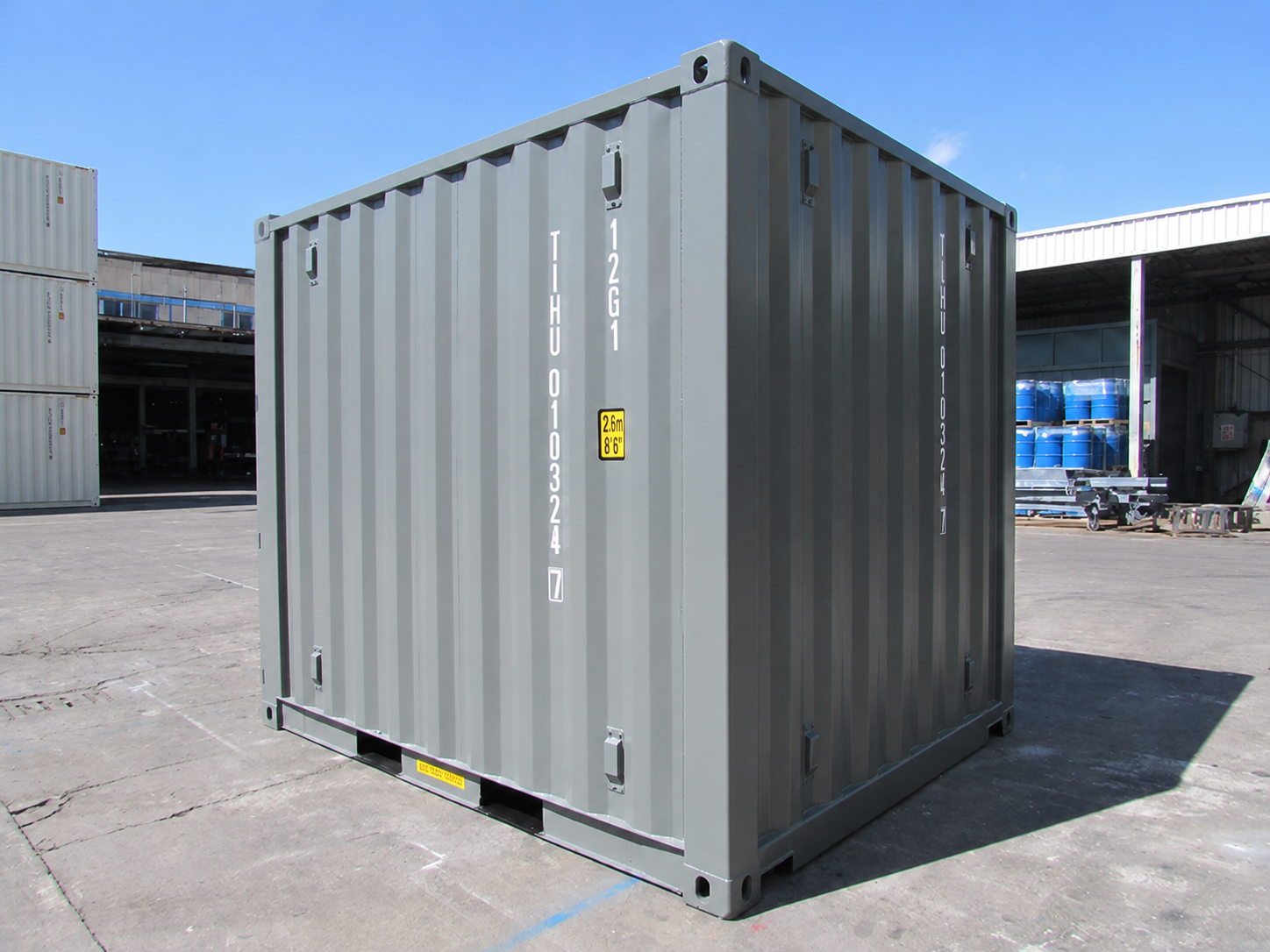
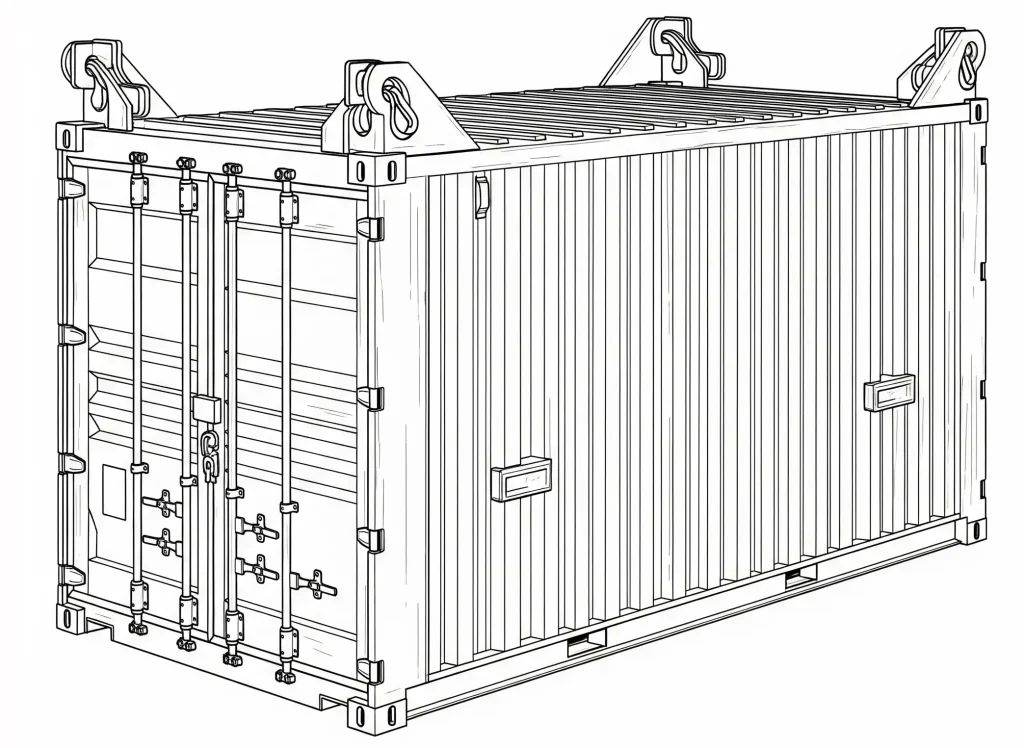
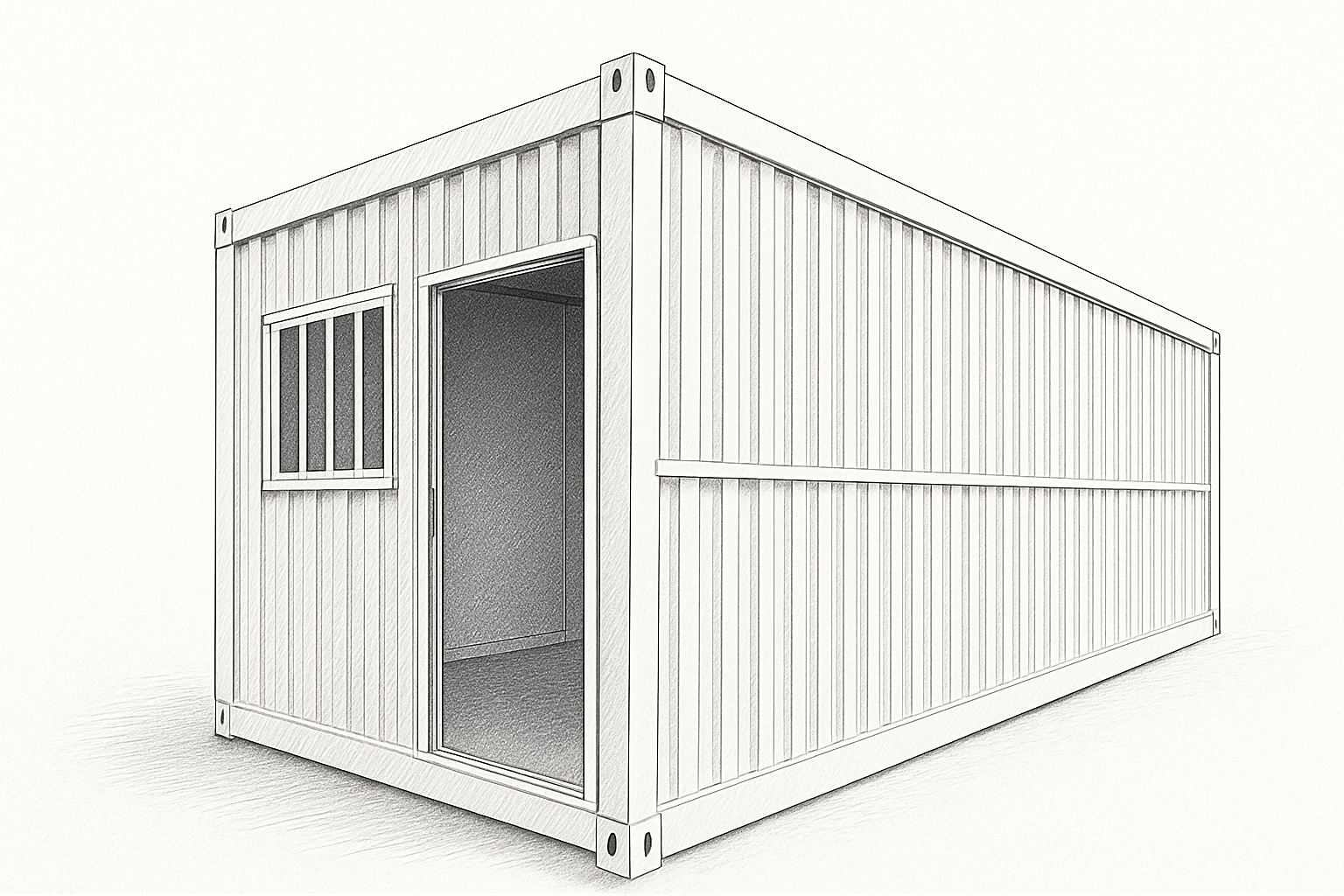
The 10′ Dry Shipping Container from Tradecorp Indonesia has external dimensions of approximately 3 x 2.4 x 2.6 m and a cubic capacity of 16 m³. It offers more storage space than 6-foot and 8-foot mini containers, making it suitable for storing tools, machinery, spare parts, business inventory, and operational equipment.
External Dimension (Length × Width × Height)
2,99 × 2,43 × 2,59 m
Cubic Capacity
16 m³
Maximum Gross Weight
12.000 kg
Maximum Payload
10.760 kg


Specifications
| Parameter | Metric | Imperial |
|---|---|---|
| DIMENSION | ||
| Length × Width × HeightExternal (Length × Width × Height) | 2,99 × 2,43 × 2,59 m | 10' × 8' × 8'6" |
| Cubic Capacity (CU.CAP) | 16 m³ | 564 cu.ft |
| WEIGHT | ||
| Maximum Gross Weight (MGW) | 12.000 kg | 26.460 lbs |
| Tare Weight | 1.240 kg | 2.730 lbs |
| Maximum Payload | 10.760 kg | 23.730 lbs |
Features
Locking Bars
Steel locking bars help keep the doors securely closed during storage and transportation.
Plywood Flooring
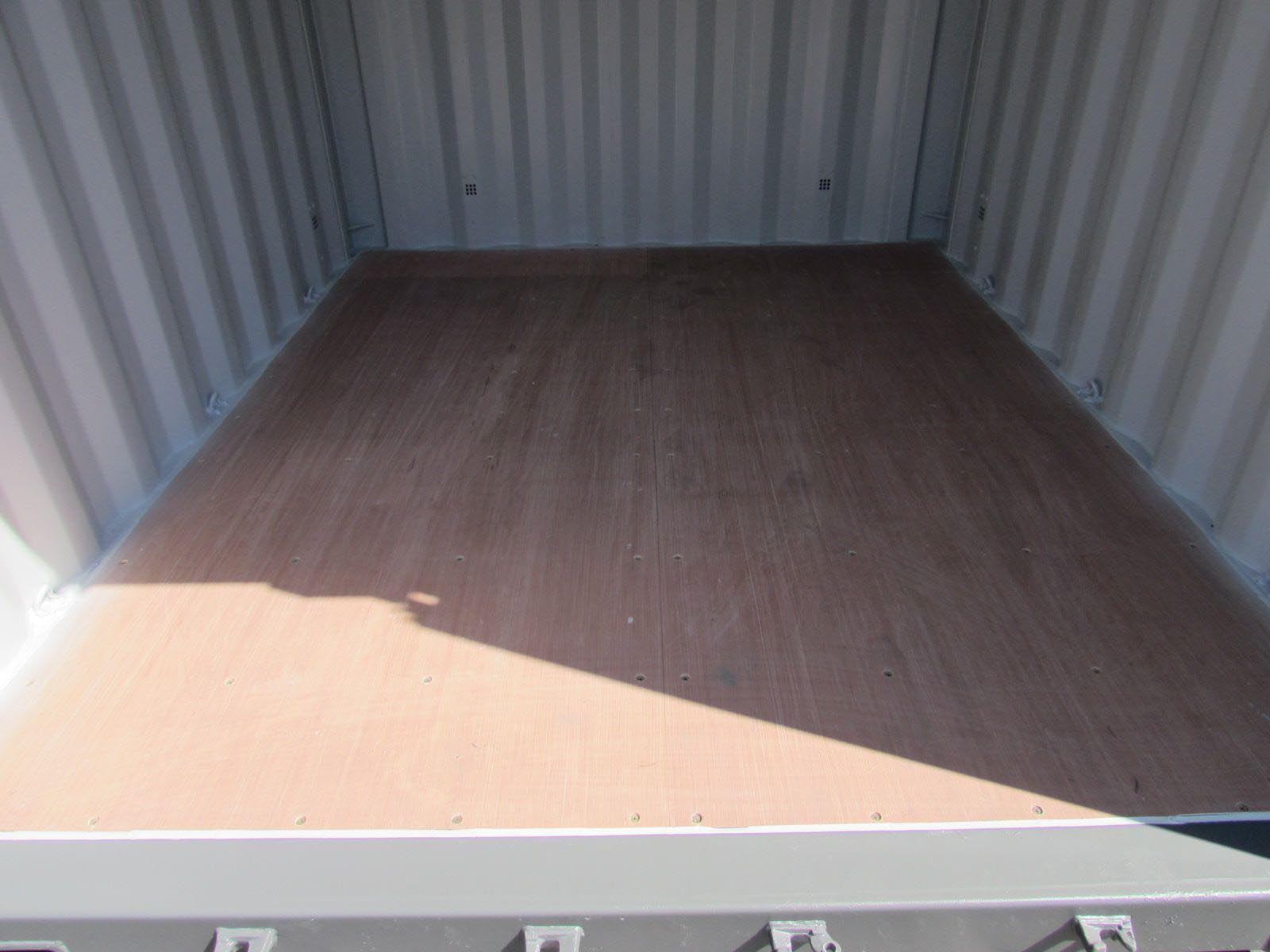
The plywood floor provides a suitable surface for storing tools, machinery, spare parts, and other goods.
Forklift Pockets
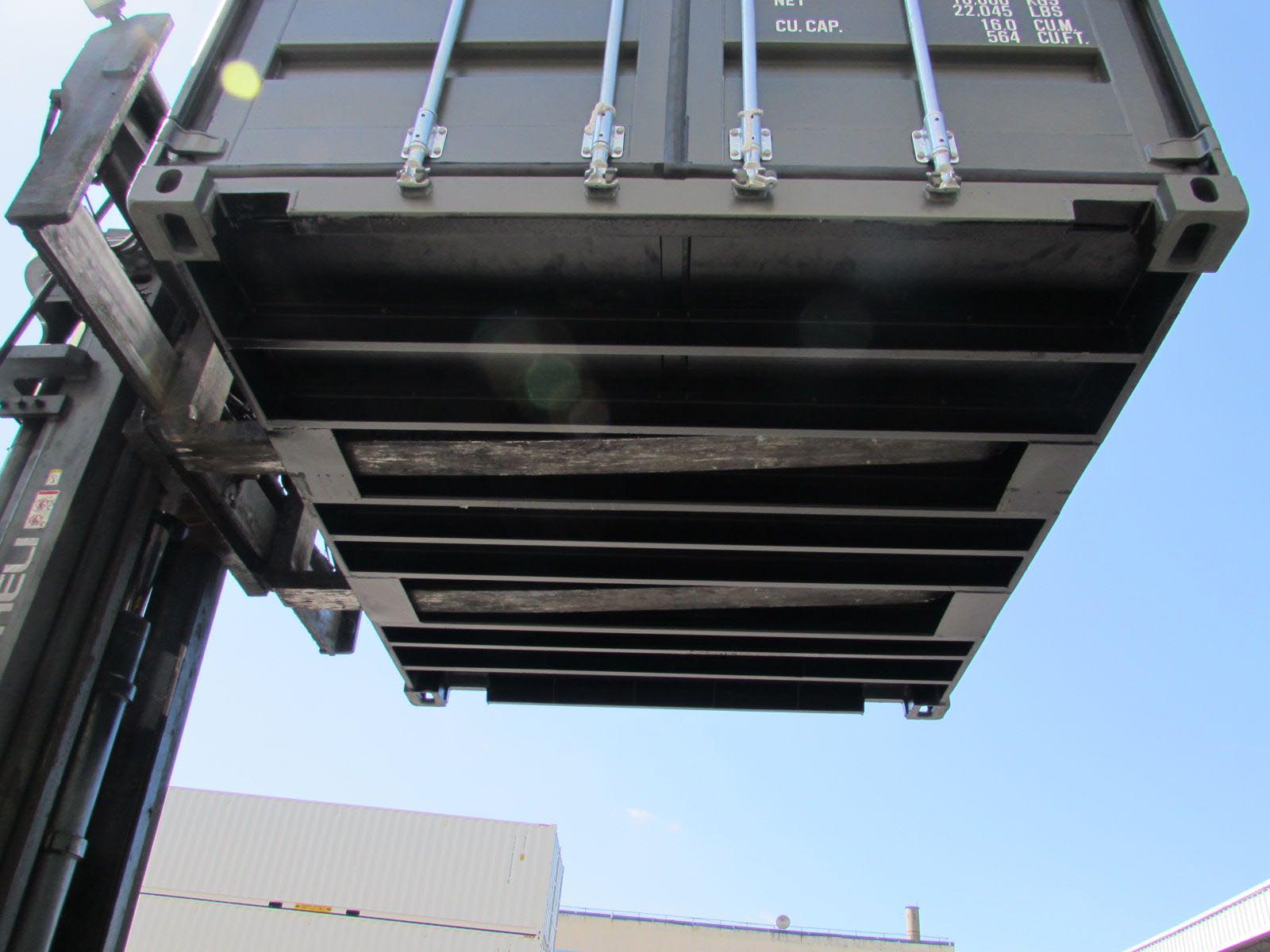
Fork pockets at the bottom of the container facilitate lifting and relocation using a forklift with suitable lifting capacity and an appropriate lifting method.
Corner Castings
Fittings at each corner support lifting, securing, and stacking, subject to the unit's technical limits.
Applications
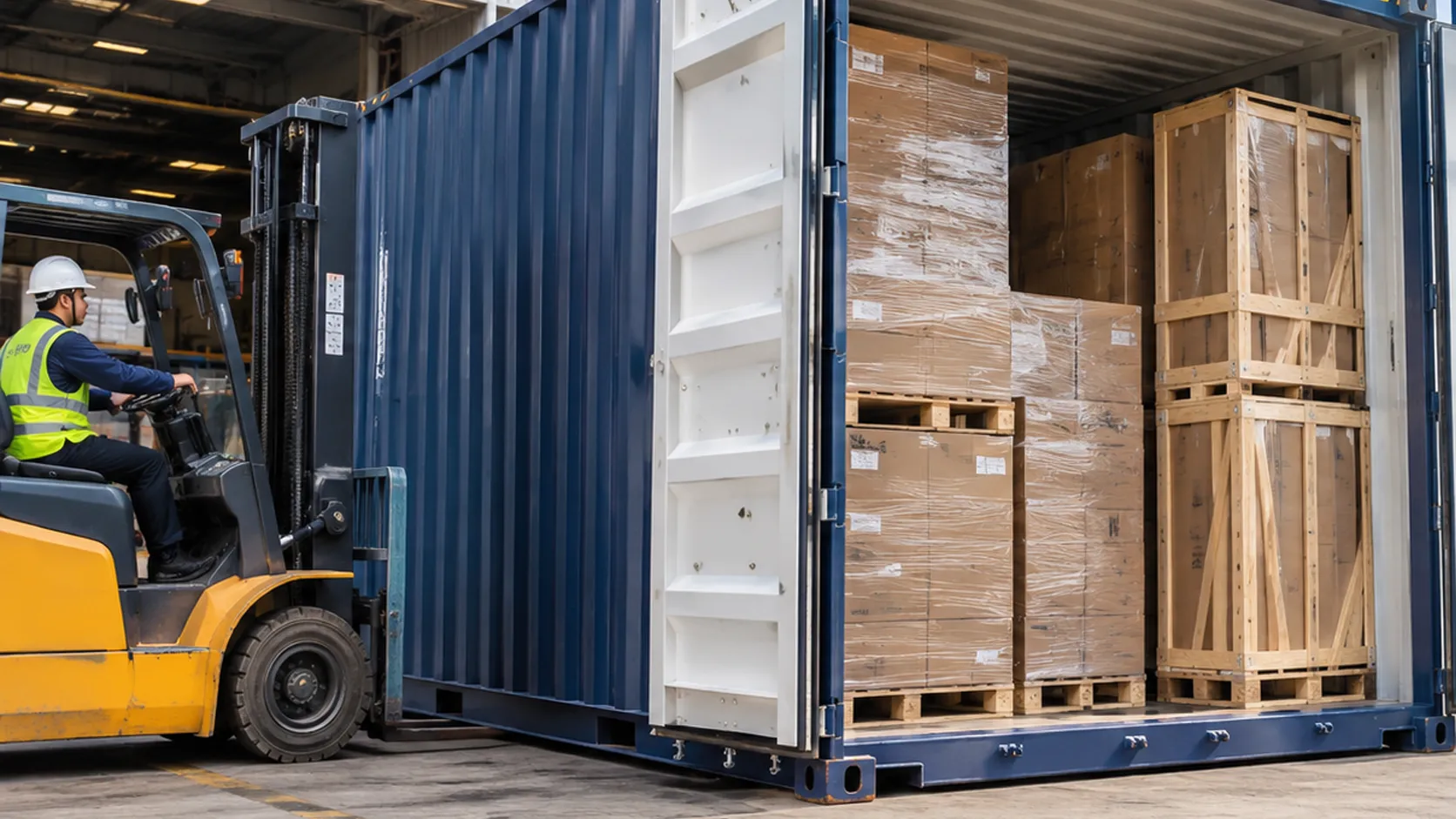
Project Equipment Storage
Stores tools, small machinery, and work equipment at construction sites and mining locations.
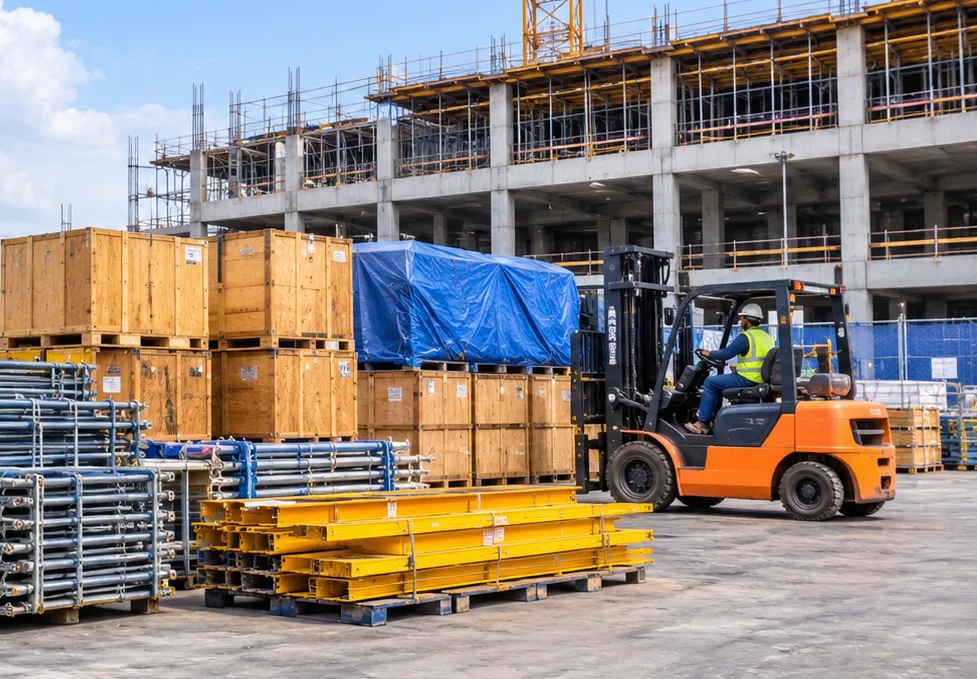
Business Inventory Storage
Provides space for merchandise, packaged products, and components used by retail stores and other businesses.

Machinery and Spare Parts Storage
Stores workshop equipment, machine components, and maintenance supplies at industrial facilities.
Kiosks and Business Spaces
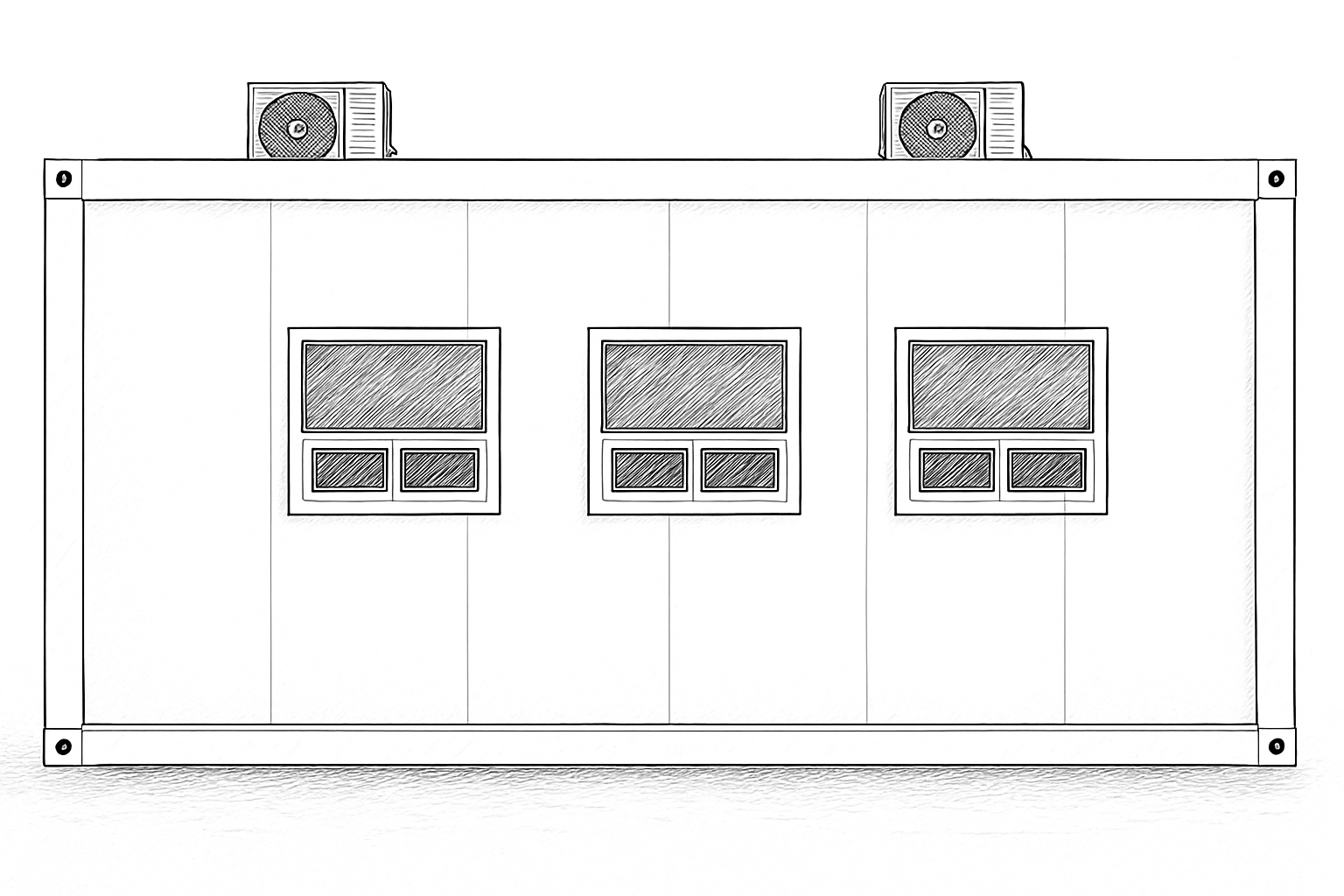
Can be modified into ticket booths, coffee shops, food stands, retail stores, or private offices based on specific requirements.
Frequently Asked Questions
Find complete information about container, construction, and modular building solutions for your various business and project needs.
How Many Pallets Can Fit Inside the Container?
As a guide, some 10-foot container models with similar internal dimensions can accommodate approximately four standard pallets measuring 1,200 x 1,000 mm or five Euro pallets measuring 1,200 x 800 mm in a single layer. The actual capacity depends on pallet dimensions, cargo packaging, and the loading arrangement. Check the pallet sizes against the internal dimensions of the unit before ordering.
Can Motorcycles or Cars Be Stored Inside the Container?
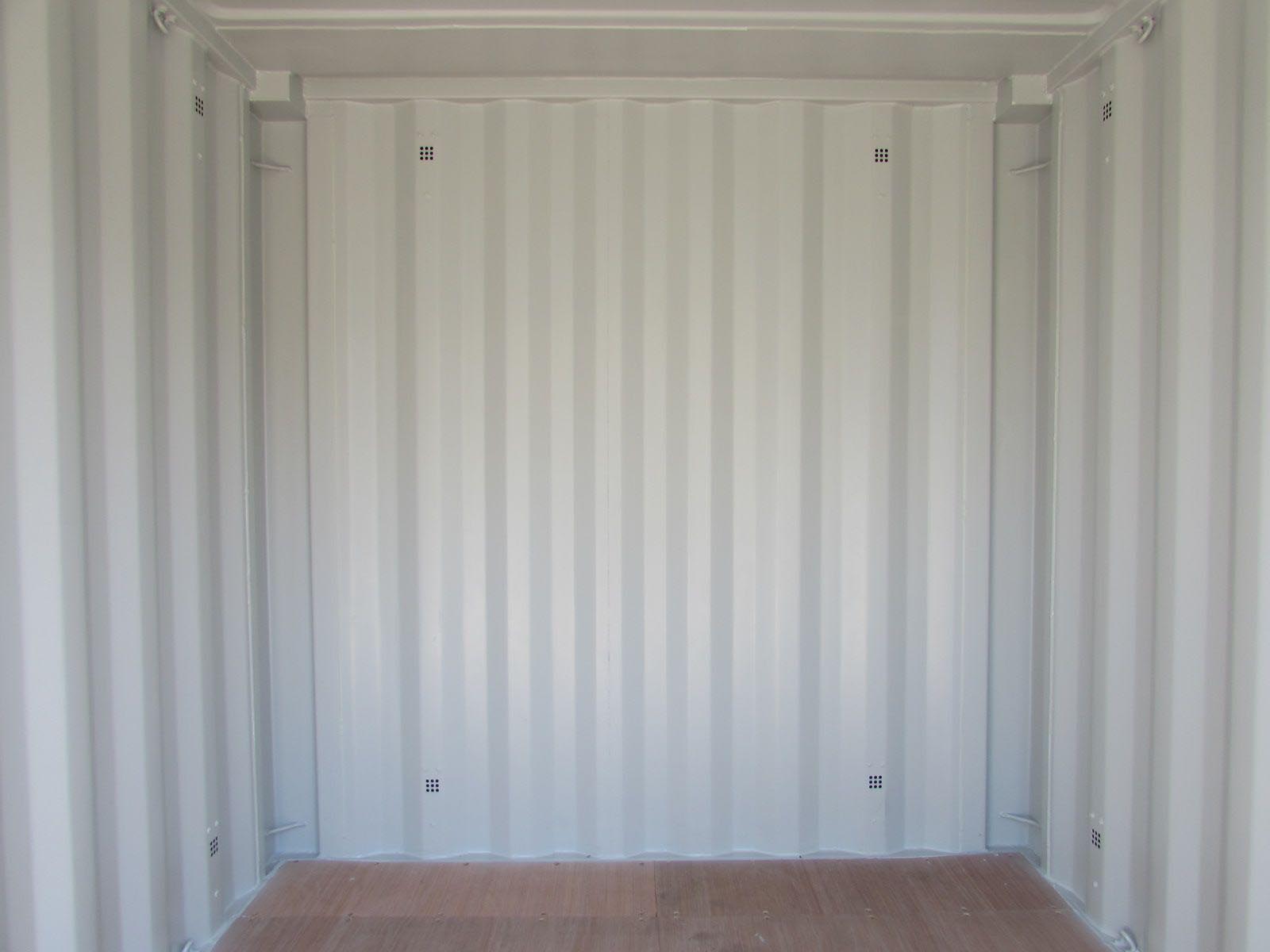
Motorcycles, ATVs, and small lawn mowers may fit, provided their dimensions are within the available interior space and door opening. However, passenger cars are generally too long, as the container’s internal length is approximately 2.84 m. Also, consider the clearance required to load vehicles through the rear doors.
What Is the Difference in Capacity Between a 10' Dry Shipping Container and a 20' Dry Shipping Container?
The 10′ Dry Shipping Container has a cubic capacity of approximately 16 m³, while a 20-foot General Purpose container offers around 33.2 m³. This means the 10-foot unit provides slightly less than half the storage volume of a 20-foot container. It can be a practical option for storing limited quantities of stock or equipment when there is not enough space for a 20-foot unit.
Is a 10' High Cube Version Available?
Yes. Tradecorp offers 10′ Mini Containers in both standard and High Cube configurations. The High Cube version has an external height of 9 feet 6 inches, which is 1 foot taller than the standard model at 8 feet 6 inches. The additional vertical space can accommodate taller goods. Check the internal dimensions and door opening of the selected model to make sure they suit your cargo.
Can the Container Be Modified into a Kiosk or Business Space?
Yes. The 10-foot unit can be modified into a ticket booth, coffee shop, food stand, small retail store, or private office. Additional features such as service windows, personnel doors, electrical installations, lighting, and interior components can be customized to suit the intended use and operational requirements.
Can a 10' Dry Shipping Container Be Used for International Shipping?
This needs to be confirmed for the specific unit. Check whether it has a CSC Safety Approval Plate and verify its approval status and applicable weight limits. You should also confirm acceptance of the container’s dimensions with the shipping line and destination terminal before arranging shipment. Having a CSC plate does not automatically guarantee acceptance by every shipping service.
Does a Payload of 10,760 kg Mean the Container Can Hold a Single Machine Weighing 10.76 Tonnes?
The payload is the maximum total cargo weight, not the maximum load that can be applied at a single point on the floor. Machinery with small support feet can create concentrated loads even when its total weight is below the payload limit. Check the floor’s load capacity and use suitable base plates or load-distribution supports before placing heavy machinery inside.
What Should Be Prepared Before the Container Is Delivered to the Site?
Prepare a level, stable surface that can support the combined weight of the container and its cargo. Check the gate width, access route, space for the delivery vehicle to maneuver, and any overhead obstacles such as cables or buildings that could interfere with lifting. Provide the Tradecorp team with photos and measurements of the site access so that the appropriate delivery method, such as a crane truck or another suitable transport vehicle, can be arranged before dispatch.
Can Goods Be Loaded Using a Hand Pallet Truck or Trolley?
Yes, provided the equipment’s wheel dimensions and load capacity are suitable for the floor and container access. Since the container floor is higher than ground level, a suitable ramp or dock plate may be required. Make sure the equipment can support the combined weight of the pallet and its cargo, and that the ramp is stable and has a suitable gradient. For heavy pallets or machinery, a forklift or loading dock may be more appropriate.
Can the Container Be Placed Close to a Wall or Building Fence?
Yes. The long side of the container can be positioned close to a wall or fence, provided this does not block ventilation, prevent inspections, or restrict maintenance access. However, make sure the rear double doors face an area with sufficient clearance so they can still be opened for loading and unloading.
Can Goods Be Stored Safely Inside the Container for Several Months?
Yes, it is suitable for storing dry goods that do not require temperature control, provided the container and cargo are in suitable condition. Before use, inspect the roof, walls, floor, doors, and seals for leaks or damage. Load goods only when they are dry, and use additional packaging or protection for items sensitive to moisture. Ventilation openings support air circulation but do not guarantee that condensation will not occur inside the container.
Can the Container Doors Be Secured with a Regular Padlock?
The container has locking bars to keep both door panels closed. Whether a regular padlock can be used depends on the locking hardware and the unit’s configuration. A container-specific padlock may be more suitable, particularly when the unit has a lockbox that protects the padlock area from direct access. Before ordering, confirm whether a lockbox is included or available as an additional feature.
What Is the Difference in Capacity Between a 10' Dry Shipping Container and an 8' Dry Shipping Container?
The main difference is the length and storage capacity. The 10-foot unit has a cubic capacity of approximately 16 m³, compared with around 9.9 m³ for the 8-foot model. Choose the 10-foot unit when your storage requirements exceed the capacity of an 8-foot container, while still checking the available placement area and the dimensions of the goods you intend to store.
Can the Container Be Relocated After Several Months of Use?
Yes. However, the goods should generally be removed before relocation unless the lifting method and lifting points have been specifically approved for moving the loaded unit. The forklift pockets on some containers are intended for lifting empty units only. Before relocation, coordinate the container’s weight, site conditions, vehicle access, and lifting method with the Tradecorp team.
Get A Quote
Fill in the form, our team will contact you.