
40' Flat Rack Container
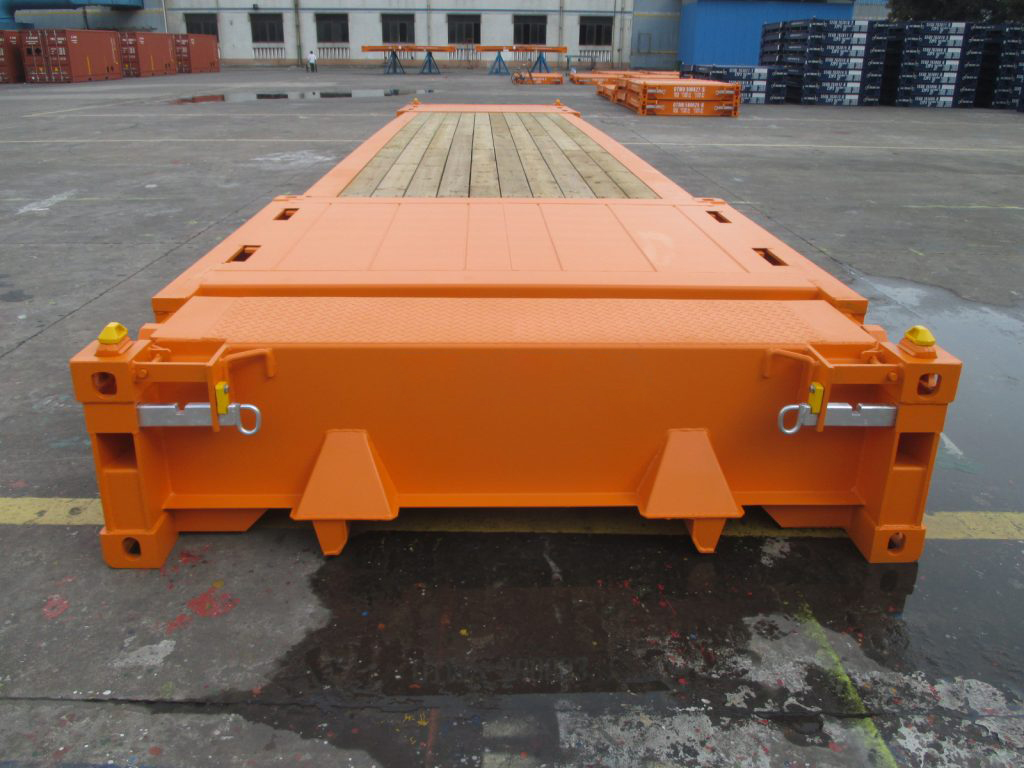
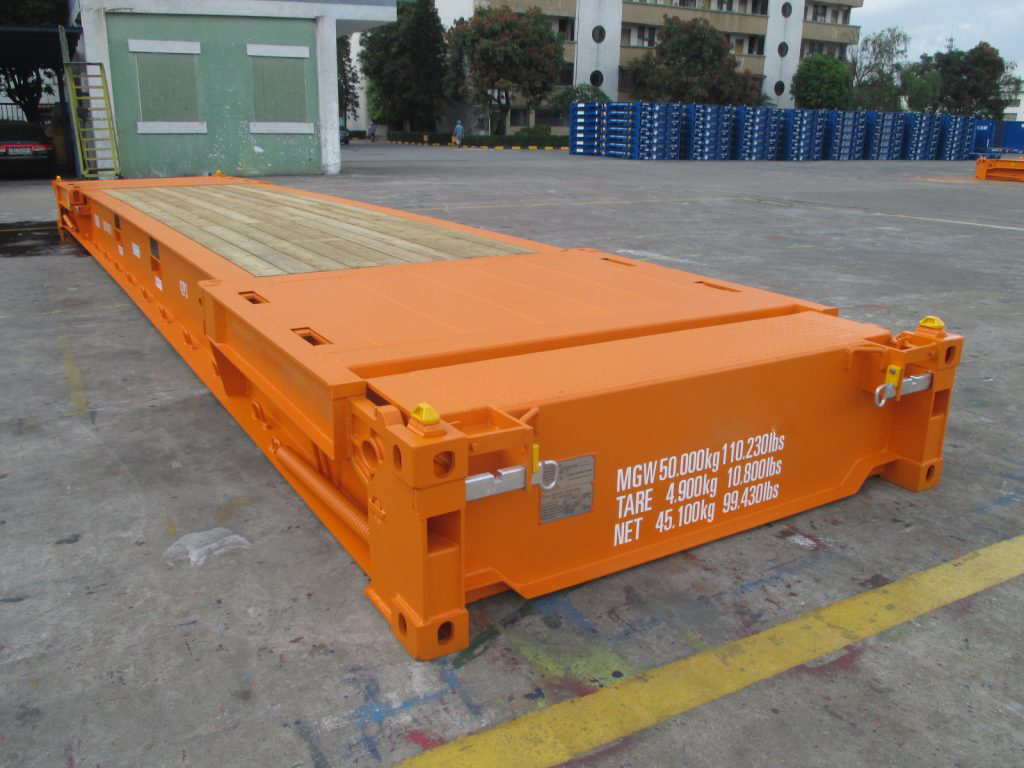
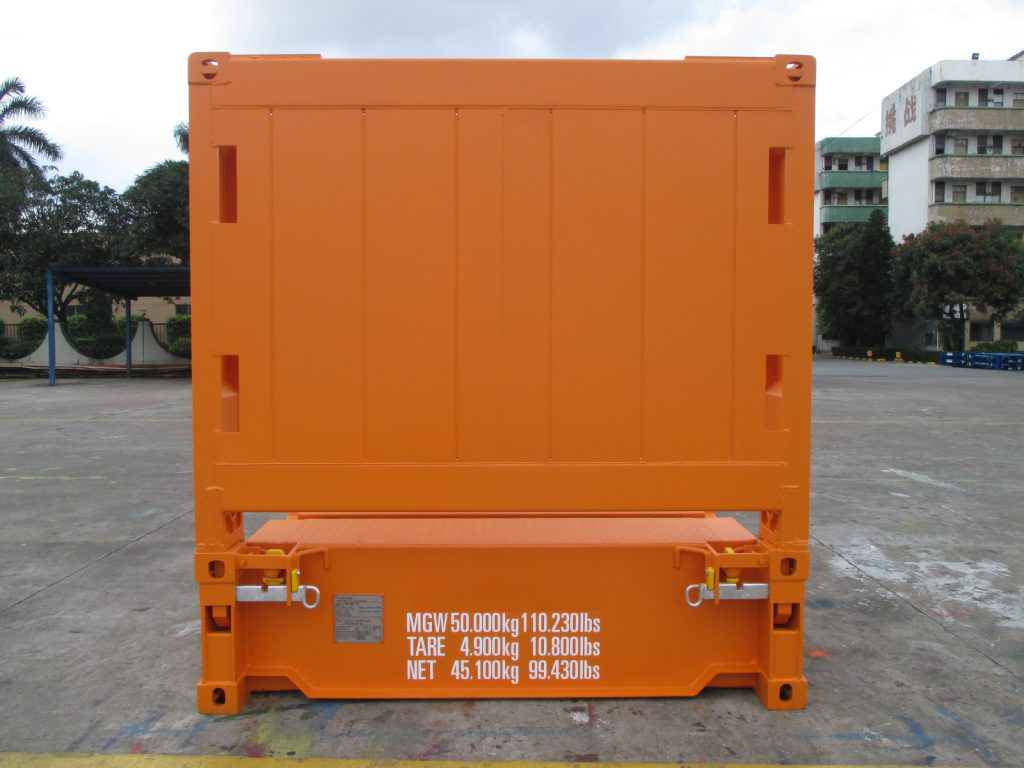
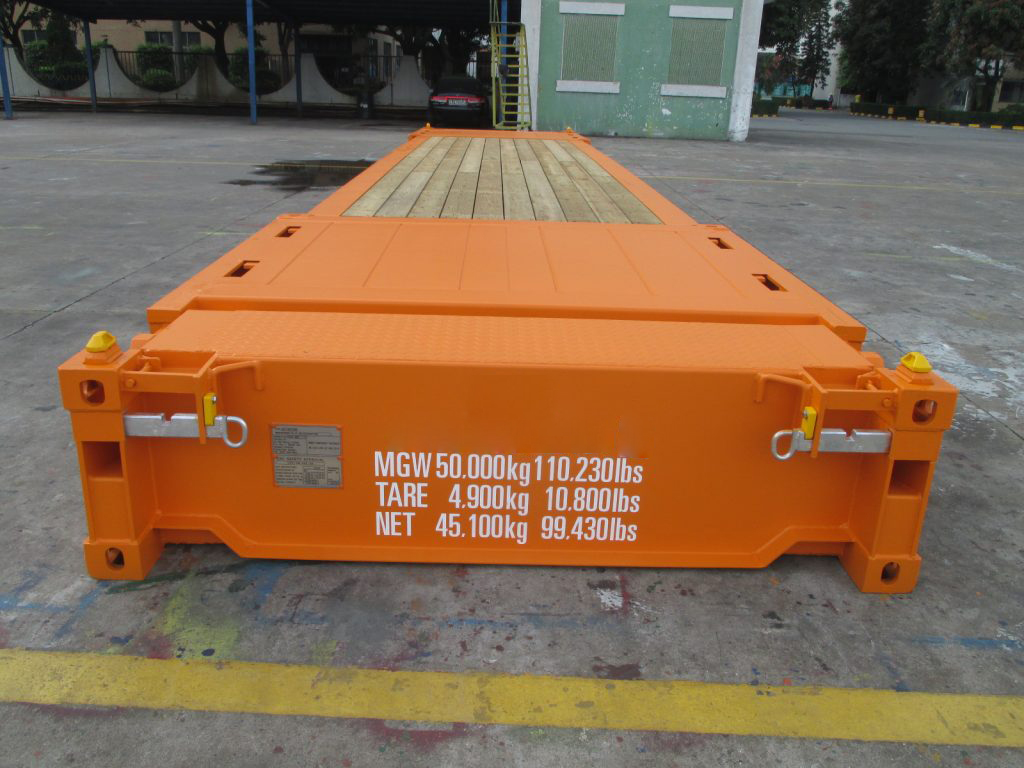
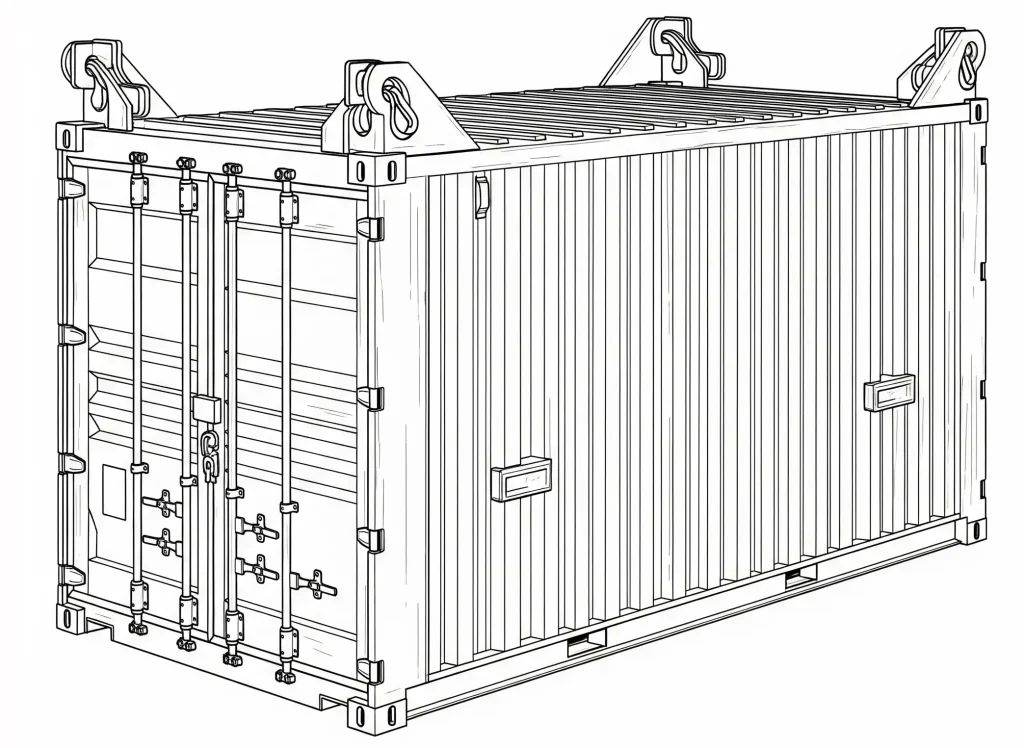
The 40′ Flat Rack Container from Tradecorp Indonesia measures 12.192 m in length, nearly twice the length of a 20′ unit (6.058 m), providing a longer platform for transporting oversized or long cargo. With end walls at both ends, but no side walls or roof, the container allows cargo, such as machinery, heavy equipment, pipes, and steel structures, to be loaded from above or from the sides using a crane.
External Dimension (Length × Width × Height)
12,192 × 2,438 × 2,591 m
Maximum Gross Weight
52.500 kg
Maximum Payload
5.100 kg


Specifications
| Parameter | Metric | Imperial |
|---|---|---|
| DIMENSION | ||
| Length × Width × HeightExternal (Length × Width × Height) | 12,192 × 2,438 × 2,591 | 40' × 8' × 8'6" |
| WEIGHT | ||
| Maximum Gross Weight (MGW) | 52.500 kg | 115,740 lbs |
| Maximum Payload | 5.100 kg | 11, 240 lbs |
Features
Reinforced Steel Frame
A reinforced steel frame designed to support heavy cargo during transportation.
Wooden Floor
Flooring made of timber boards fitted over the steel frame to provide a supporting surface for cargo.
Fixed/Collapsible End Walls
Steel walls at both ends of the container. On collapsible models, the end walls can be folded down when the unit is empty, making it easier to stack and store.
Bottom Side Rails
Two longitudinal steel beams along the bottom of the container that support the floor and help transfer cargo loads to the main frame.
Lashing Points
Securing points on the container frame for attaching chains or straps to prevent cargo from shifting during transportation.
Corner Castings
Eight steel fittings located at the top and bottom corners of the container. They serve as connection points for lifting, securing with twistlocks, and stacking.
Forklift Pockets
Openings along the bottom of the container that allow forklift forks to be inserted when lifting and moving empty units over short distances.
Applications
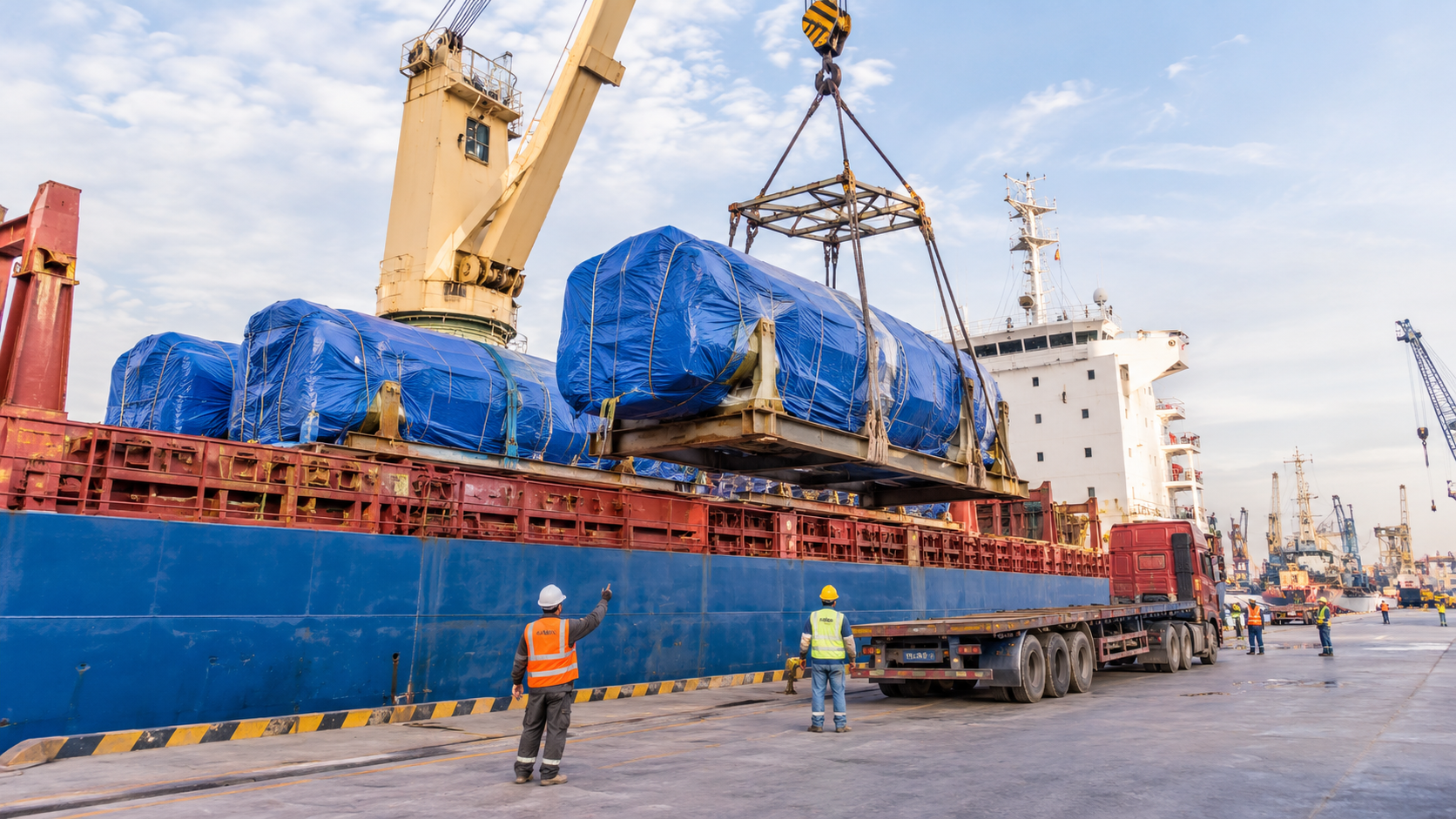
Machinery and Heavy Equipment Shipping
Transporting industrial machinery, generators, transformers, excavators, and construction equipment that require a strong platform and specialised loading methods.
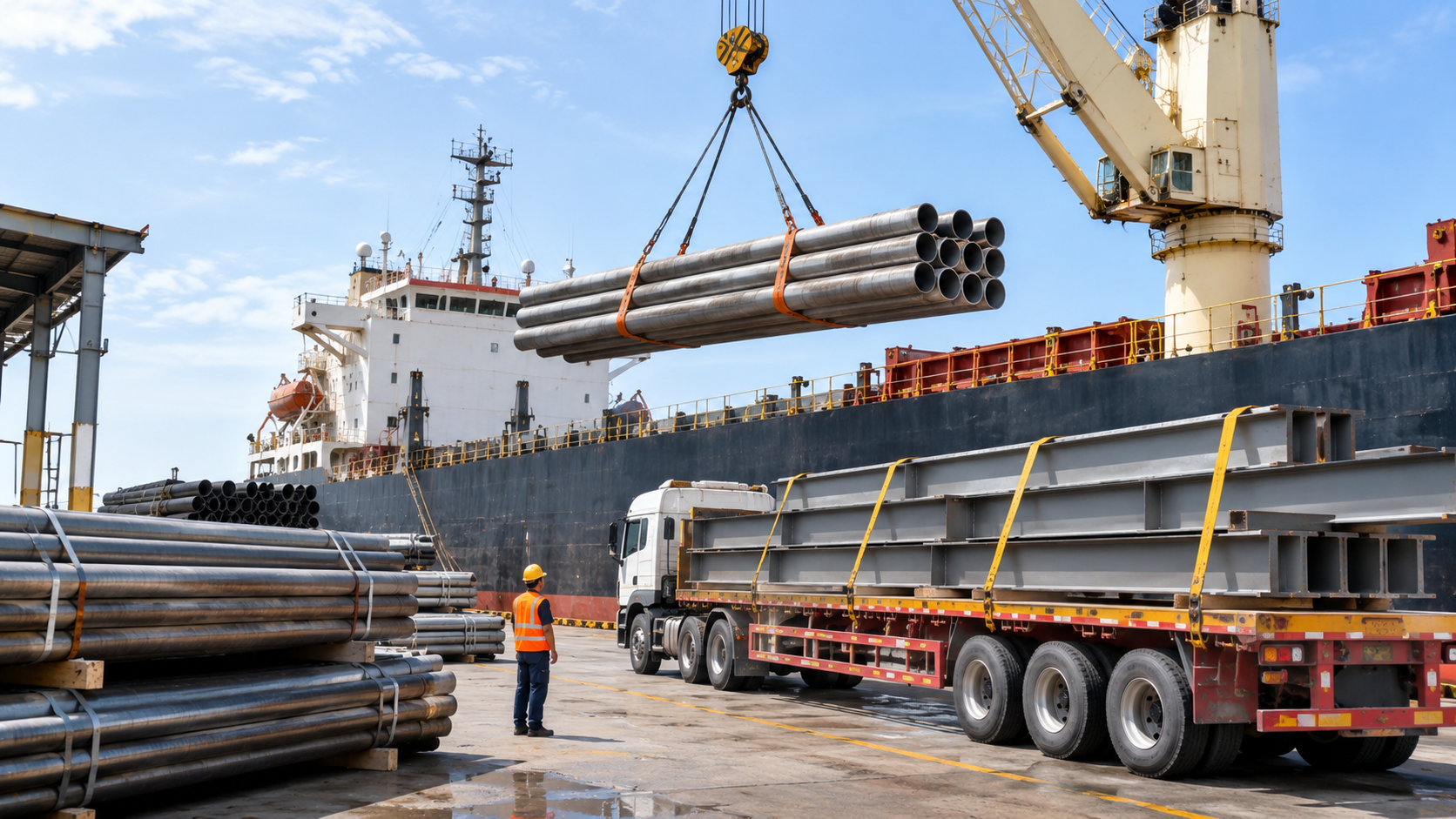
Pipe and Steel Structure Shipping
Transporting pipes, steel beams, structural frames, and other long components that are difficult to fit inside enclosed containers.
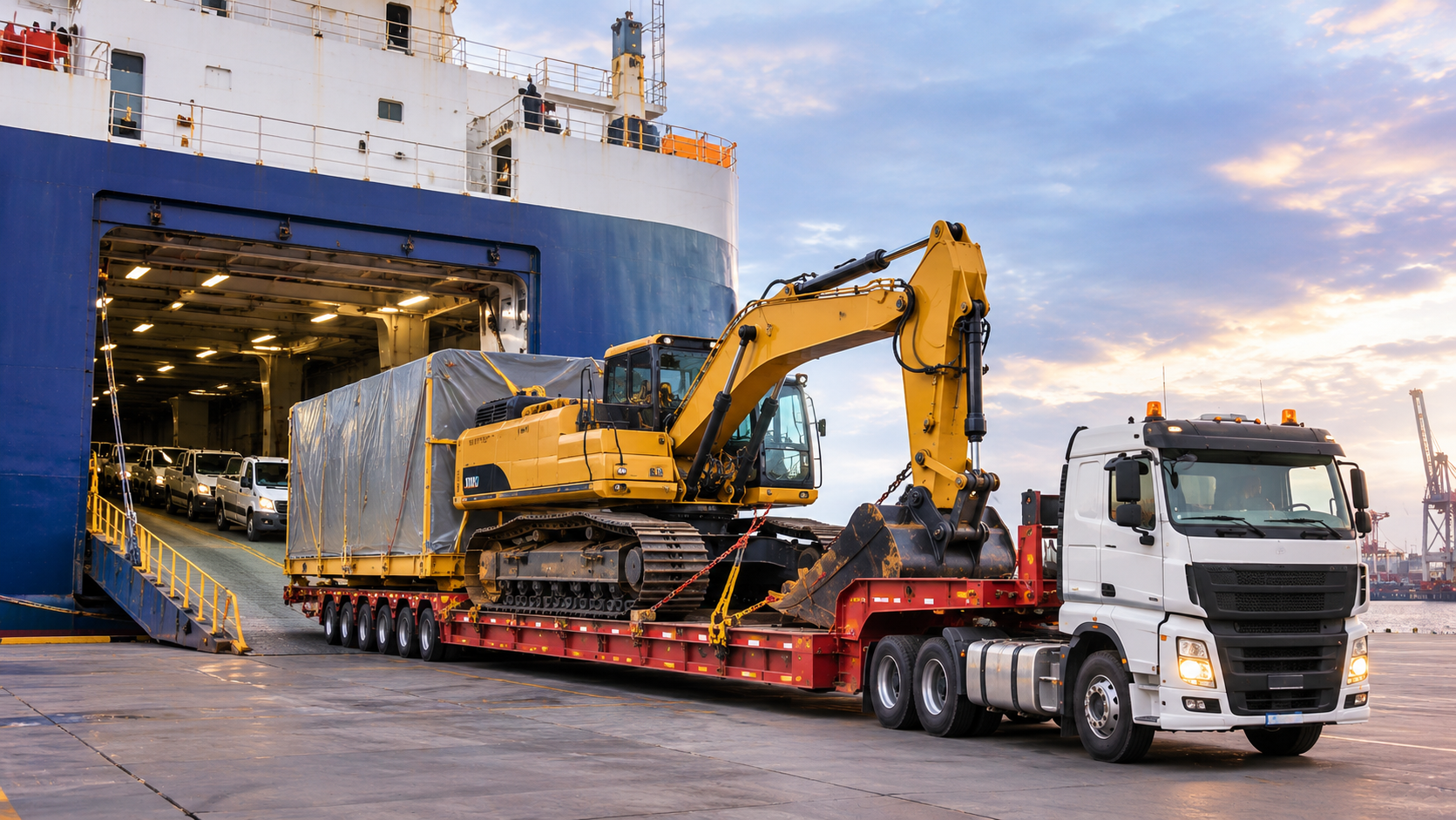
Vehicle and Oversized Cargo Shipping
Transporting trucks, buses, construction vehicles, tanks, and industrial components that exceed standard container dimensions.
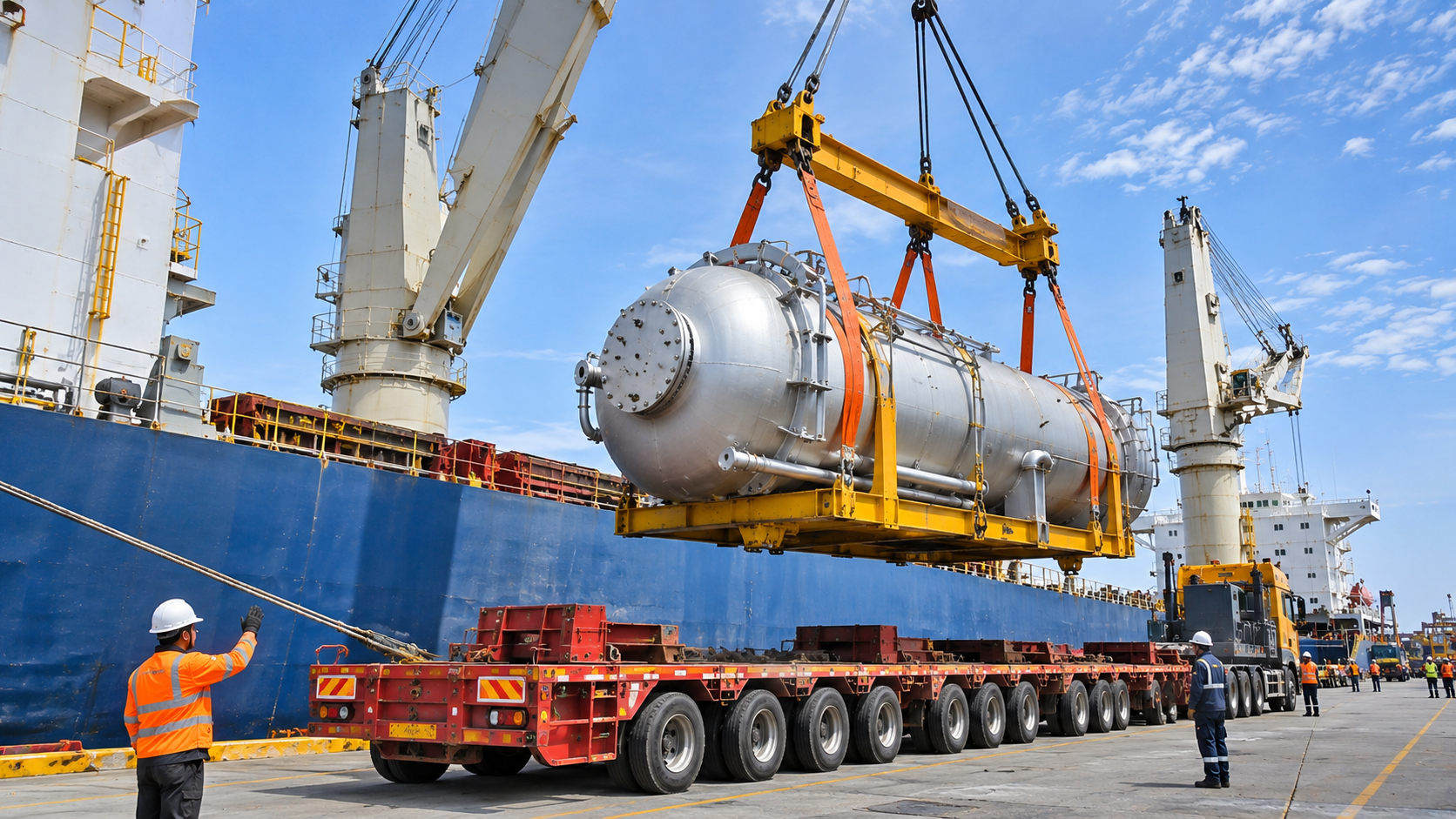
Project Cargo Shipping
Transporting large equipment, construction modules, and oversized components for mining, infrastructure, energy, and industrial projects.
Frequently Asked Questions
Find complete information about container, construction, and modular building solutions for your various business and project needs.
What Are the Advantages of a 40' Flat Rack Compared to a 20' Flat Rack?
A 40′ Flat Rack has an external length of 12.192 m, nearly twice the length of a 20′ unit at 6.058 m. Its longer platform provides more space for transporting pipes, steel structures, machinery, and large industrial components. However, its maximum payload is not necessarily twice that of a 20′ unit, as capacity depends on each unit’s specifications.
How Can I Make Sure My Cargo Fits on a 40' Flat Rack Container?
Check the length, width, and height of your cargo, then compare these measurements with the usable platform dimensions and the distance between the end walls or corner posts. Also, allow sufficient space for supports and securing equipment. Contact Tradecorp to confirm whether your cargo dimensions are suitable for the available units.
Can a 40' Flat Rack Carry Cargo Weighing 40 Tonnes?
Yes, provided the unit’s maximum payload, floor strength, and load distribution meet the cargo requirements. However, cargo weight alone does not determine whether a load is suitable. Cargo with concentrated weight may require additional wooden or steel supports to distribute the load across the container’s bottom frame.
Can Cargo Extend Beyond the Length or Width of a Flat Rack?
Yes, under certain conditions. Cargo that exceeds the platform dimensions or standard loading limits is classified as Out of Gauge (OOG) cargo. Transportation requires accurate measurements, including the space occupied by securing equipment, as well as approval from the shipping line. Cargo dimensions and positioning may also affect vessel selection and shipping costs.
How is Machinery or Heavy Cargo Secured on a Flat Rack?
Cargo is secured using chains, straps, and other lashing equipment attached to the securing points on the container frame. Heavy machinery and cargo may require additional wooden or steel supports underneath or around the load to prevent shifting. Cargo positioning and the centre of gravity must also be considered before transportation.
Can the End Walls of a 40' Flat Rack Be Folded Down?
This depends on the unit’s configuration. Fixed End models have end walls that remain upright, while Collapsible End models have end walls that can be folded down. Collapsible models are easier to store and transport when empty because multiple units can be stacked with their end walls folded. Contact Tradecorp to confirm the available end wall configurations.
Can a 40' Flat Rack Be Lifted Using a Forklift?
A forklift can be used to move an empty unit if it has forklift pockets and the equipment meets the applicable lifting requirements. For loaded units, a crane and suitable lifting equipment must be used according to the cargo weight and the container’s designated lifting points.
What Should I Prepare Before a Flat Rack Is Delivered to a Project Site?
Make sure the access road can accommodate a 40ft container trailer, with sufficient space for turning and manoeuvring. Prepare an unloading area that is spacious, level, and capable of supporting the load. If the cargo is already loaded onto the platform, ensure that a crane or suitable unloading equipment with sufficient capacity is available.
Can a 40' Flat Rack Be Used for Export?
Yes, provided the unit meets the applicable CSC safety requirements and is accepted by the shipping line. For OOG cargo, the shipper must provide the actual cargo dimensions and weight, including any securing equipment. Cargo acceptance also depends on the shipping route, vessel capacity, and facilities at the destination port.
How Much Does a 40' Flat Rack Cost, and Is Rental Available?
The price of a 40′ Flat Rack depends on the unit’s condition, loading capacity, end wall configuration (Fixed or Collapsible), and stock availability. Contact Tradecorp to request a purchase or rental quotation based on your project requirements.
Get A Quote
Fill in the form, our team will contact you.