






6' Dry Shipping Container
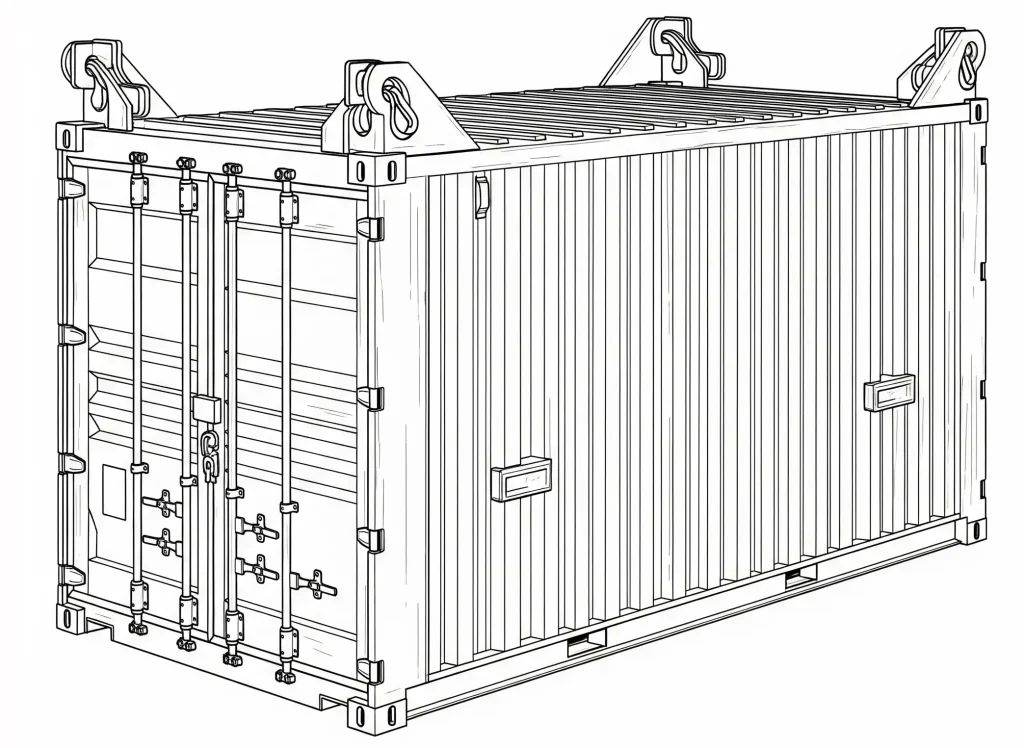
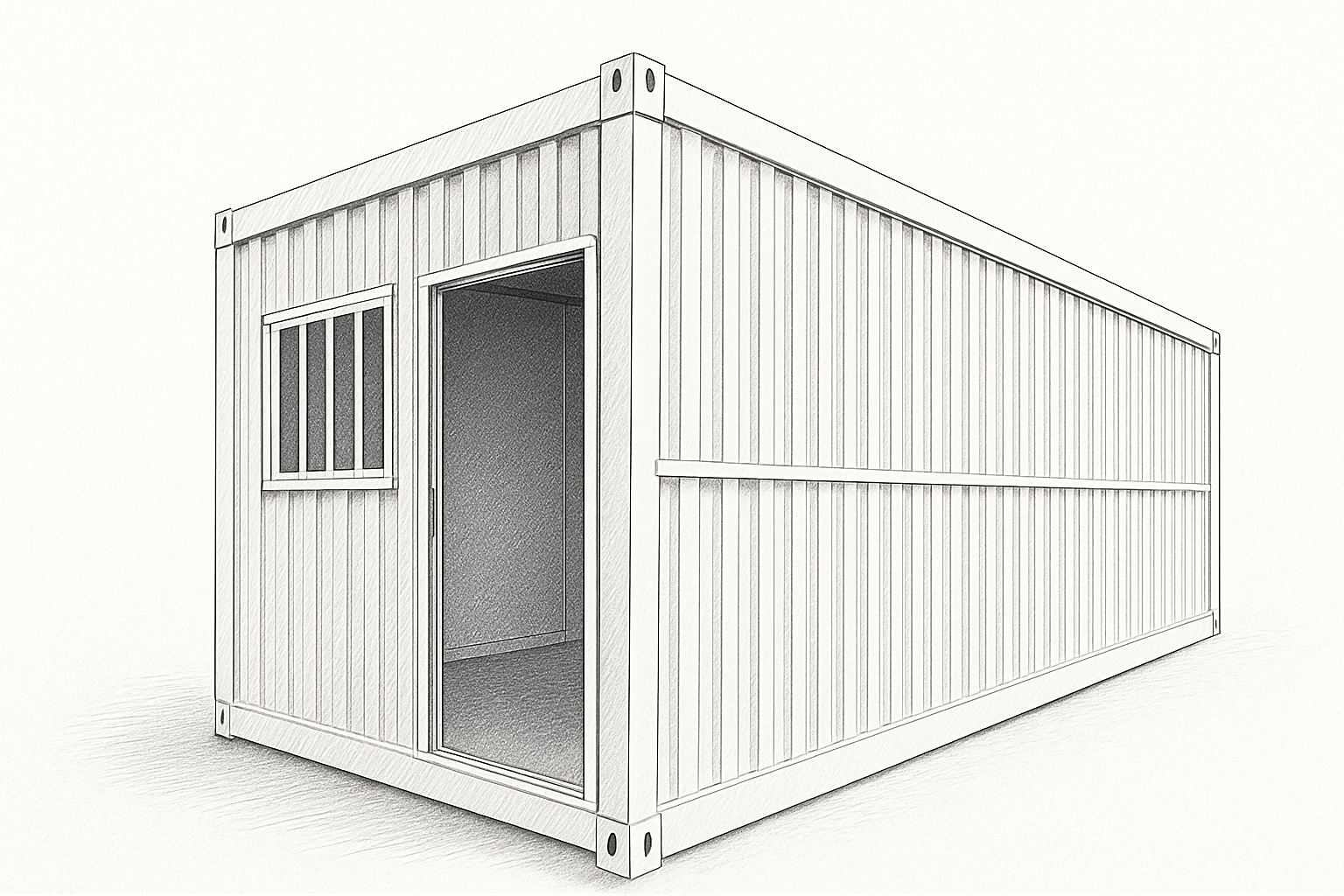
The 6′ Dry Shipping Container from Tradecorp Indonesia has external dimensions of 1.8 m long, 2 m wide, and 1.8 m high, with a cubic capacity of 5.45 m³. Its compact size makes it suitable for placement in areas with limited space, such as project sites, workshops, warehouses, and residential storage areas. The unit features double rear doors for storing tools, spare parts, operational equipment, and other dry goods that do not require temperature control.
External Dimension (Length × Width × Height)
1,8 × 2 × 1,8 m
Cubic Capacity
5,45 m³
Maximum Gross Weight
5.200 kg
Maximum Payload
4.400 kg


Specifications
| Parameter | Metric | Imperial |
|---|---|---|
| DIMENSION | ||
| Length × Width × HeightExternal (Length × Width × Height) | 1,8 × 2 × 1,8 m | 6' × 6'5" × 6'1" |
| Cubic Capacity (CU.CAP) | 5,45 m³ | 192 cu.ft |
| WEIGHT | ||
| Maximum Gross Weight (MGW) | 5.200 kg | 11.464 lbs |
| Tare Weight | 800 kg | 1.764 lbs |
| Maximum Payload | 4.400 kg | 9.700 lbs |
Features
Plywood Flooring
The plywood floor provides a surface for storing tools, spare parts, and other goods.
Forklift Pockets
Fork pockets at the bottom of the container allow it to be handled and moved using a forklift with suitable lifting capacity and an appropriate lifting method.
Modification Options
Additional features such as a lockbox, ventilation, roller shutter door, windows, exhaust fan, and specialized flooring can be added based on order requirements.
Applications
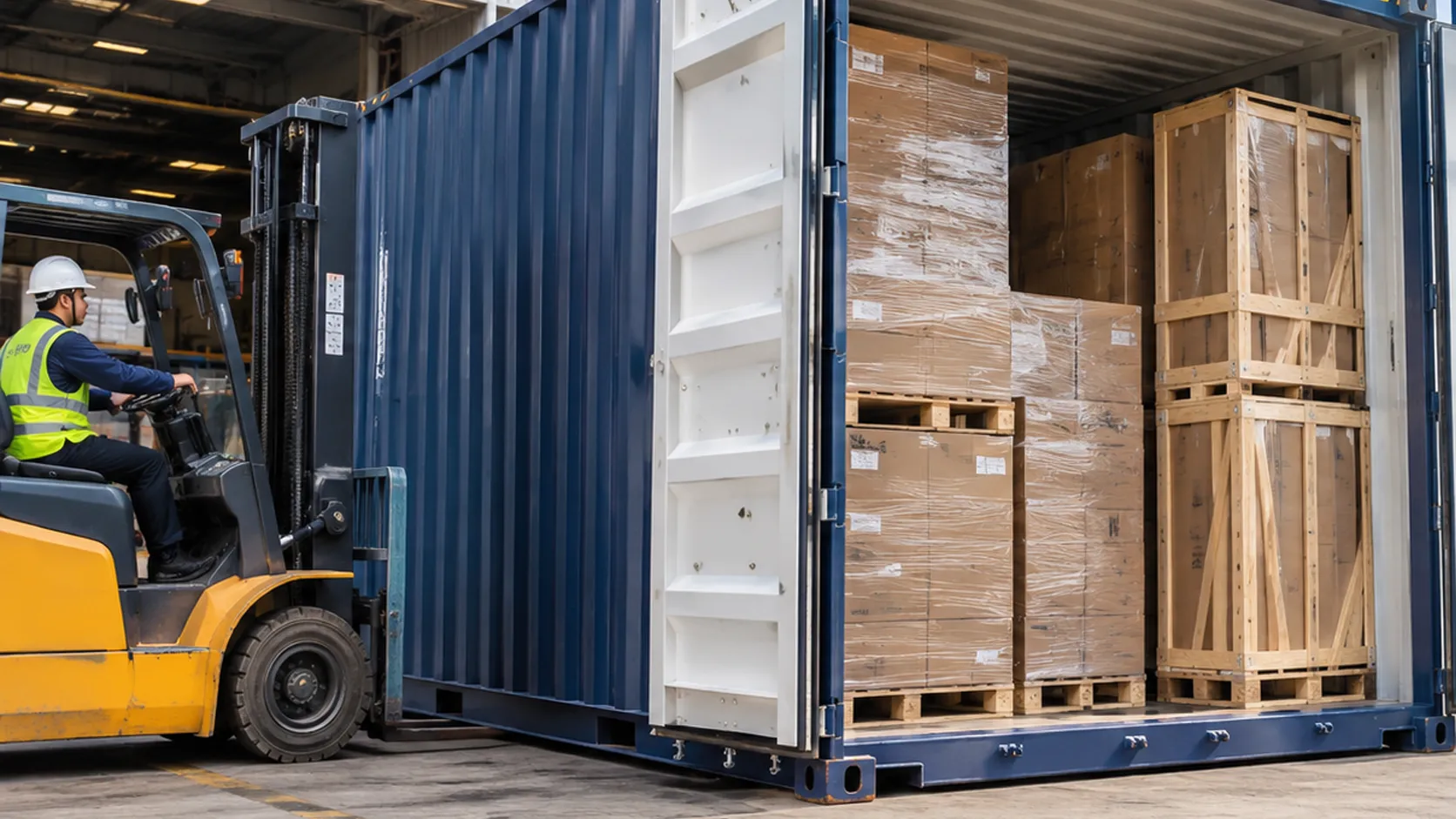
Tool Storage
Stores hand tools and maintenance equipment at workshops, factories, and project sites.
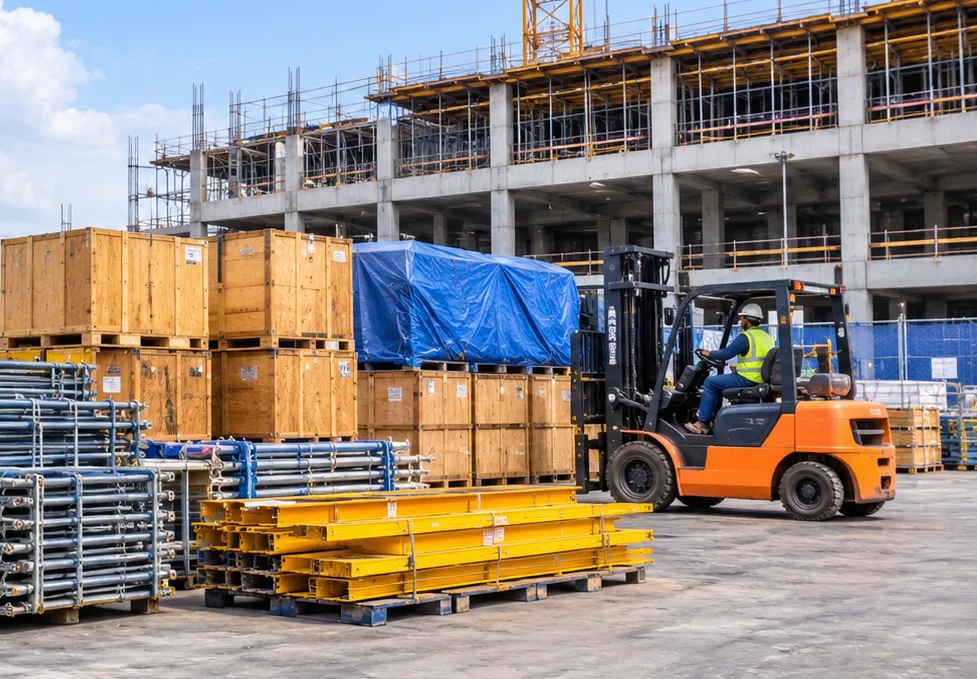
Spare Parts Storage
Keeps machine components, spare parts, and operational supplies organized in one place.

Equipment Storage
Accommodates sports equipment, hobby supplies, and personal belongings that do not require a large storage area.
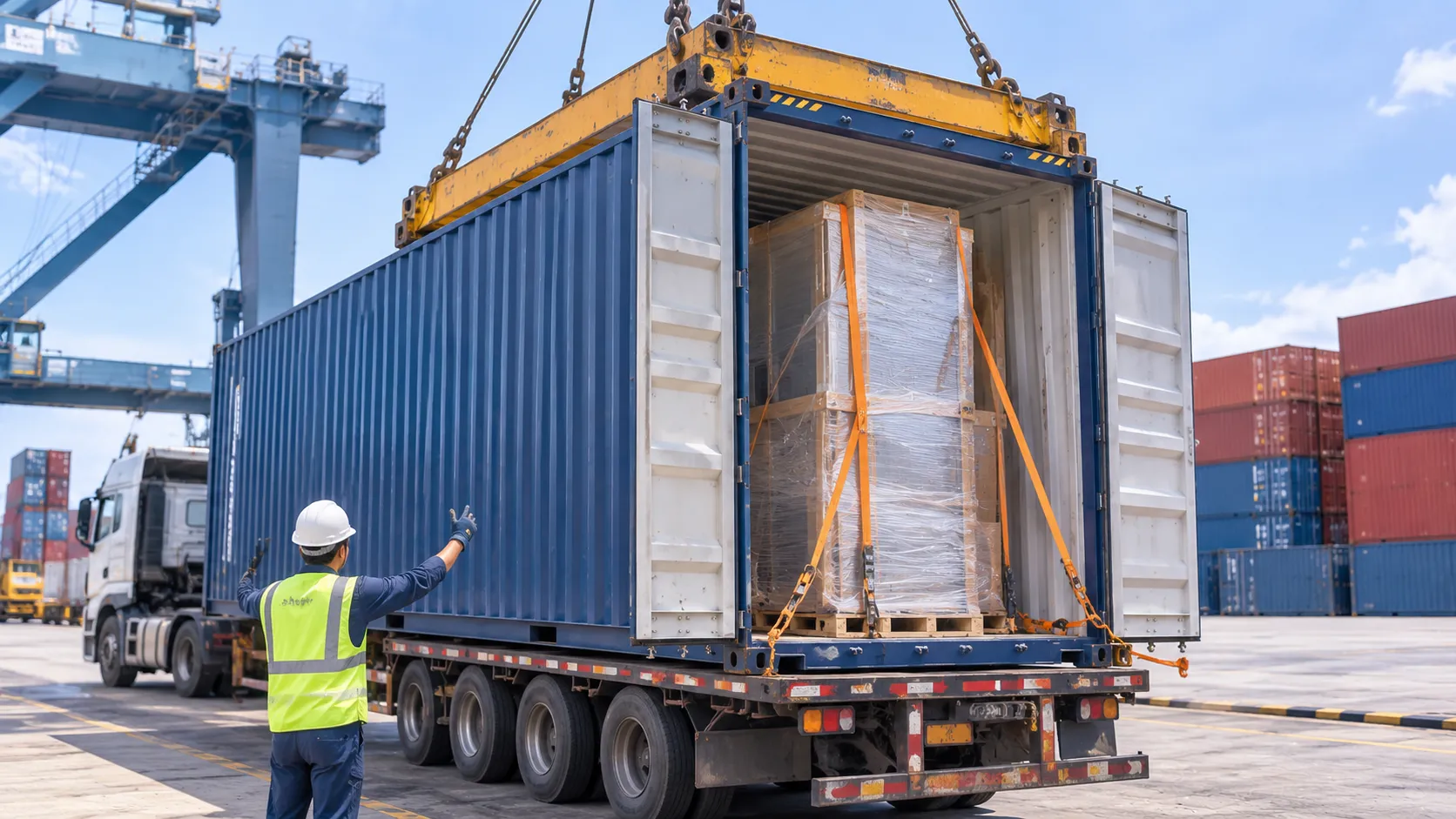
Dry Goods Storage
Stores packaged goods and general cargo that do not require temperature control.
Frequently Asked Questions
Find complete information about container, construction, and modular building solutions for your various business and project needs.
Is a 6' Dry Shipping Container Suitable for Storing Tools and Work Equipment?
Yes. With a cubic capacity of 5.45 m³, this unit can store hand tools, maintenance equipment, spare parts, and small to medium-sized work equipment. Before ordering, check the dimensions of the largest items you intend to store, along with the door opening dimensions, to ensure they can be loaded and removed without difficulty.
Can the Container Be Moved Using a Forklift?
Yes. The unit is equipped with forklift pockets at the bottom to facilitate handling and relocation. However, the forklift’s lifting capacity, fork positioning, container weight, and lifting method must be considered beforehand. Moving the container while loaded should be assessed according to the unit’s applicable lifting requirements.
Can 6' Dry Shipping Containers Be Stacked?
Stacking must comply with the load limits specified for the unit. Check the allowable stacking load and make sure the container’s structure meets the relevant stacking requirements. Do not assume that every mini container can be stacked simply because it has corner fittings.
Are Goods Inside the Container Protected from Rain and Dust?
The steel construction and lockable doors help protect stored goods from external exposure. However, the condition of the doors, seals, roof, walls, and floor should still be inspected, especially when purchasing a used unit. For outdoor use, make sure the container’s panels, seals, and joints are in good condition.
Can Ventilation or a Lockbox Be Added to the Container?
Yes. Tradecorp offers modification options such as ventilation, a lockbox, roller shutter doors, windows, exhaust fans, and specialized flooring. Additional components can be selected based on the type of goods being stored and the site conditions.
Can the Container Store Goods That Require Temperature Control?
Not in its standard dry container configuration. This unit does not have a cooling or temperature control system like a refrigerated container. For frozen food, pharmaceutical products, or other goods that require controlled temperatures, use a reefer container with the appropriate temperature specifications.
Can Generators, Machinery, or Large Equipment Fit Inside the Container?
Yes, provided the items fit within the internal space and door opening dimensions. Also, check the total height of each item, including wheels, handles, and protruding components. For equipment that is difficult to tilt or maneuver, make sure there is enough clearance during loading.
Can the Container Support a Payload of 4,400 kg?
The 4,400 kg payload is the maximum total cargo weight, but it does not mean the floor can support that weight concentrated at a single point. Machinery or equipment with small support feet can create concentrated loads. Use suitable base plates or supports and check the floor load limit before loading.
Is the Container Suitable for Outdoor Placement?
A standard dry container is designed to store goods without temperature control. For outdoor placement, inspect the roof, walls, joints, doors, and rubber seals to ensure there are no gaps that could allow water to enter. Goods sensitive to moisture may still require additional protection, as temperature changes can cause condensation inside the container.
Can a 6' Dry Shipping Container Be Used for International Shipping?
Do not assume that every 6-foot container can be used within international shipping networks. This mini container does not have the same dimensional footprint as standard intermodal containers covered by ISO 668. For units with a CSC Safety Approval Plate, confirm the approval status and acceptance of the container’s dimensions with the shipping line and destination terminal before arranging shipment.
Does the Site Need to Be Prepared Before Container Delivery?
Yes. Prepare a level, stable surface that can support the weight of the container and its cargo. Make sure the delivery truck can reach the placement point and that there is sufficient space for unloading. Provide details about site access and unloading equipment requirements when requesting a quotation.
Is It Better to Buy or Rent a 6' Dry Shipping Container?
Purchasing may be more suitable for long-term storage or repeated use. Renting, on the other hand, can be a practical option for temporary requirements, such as storing tools during a project. The availability of new and used units, as well as rental options, should be confirmed based on current stock and the required rental period.
Get A Quote
Fill in the form, our team will contact you.


