
20' Half Height Container
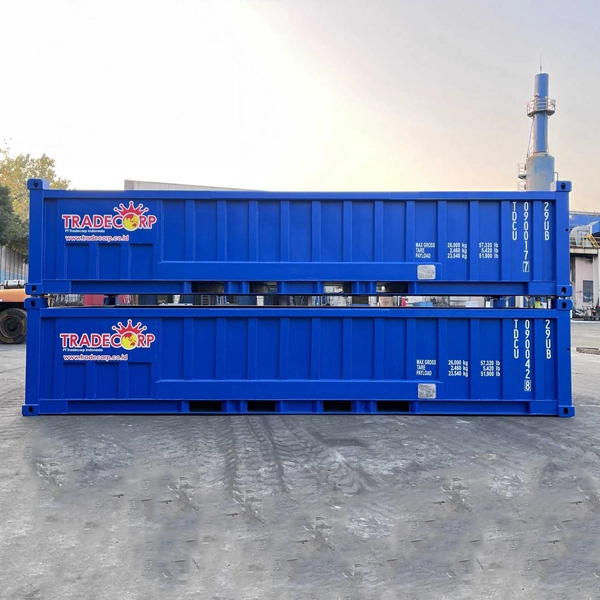
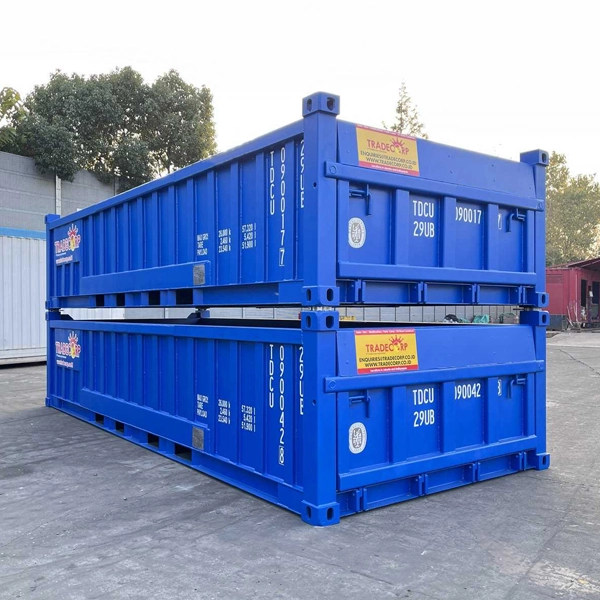
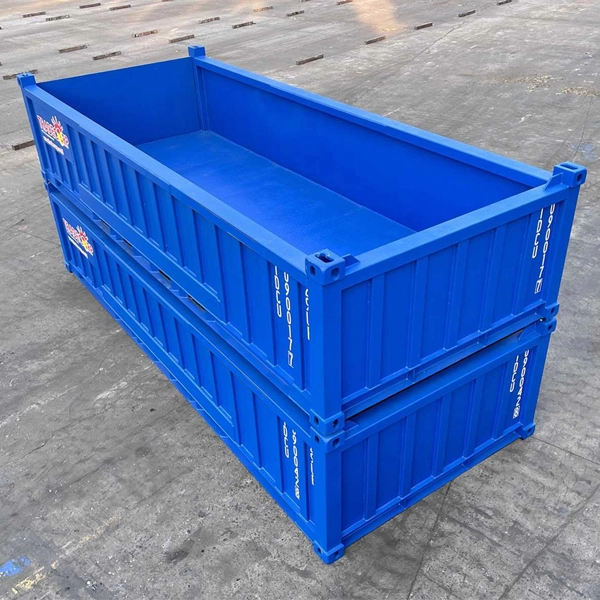
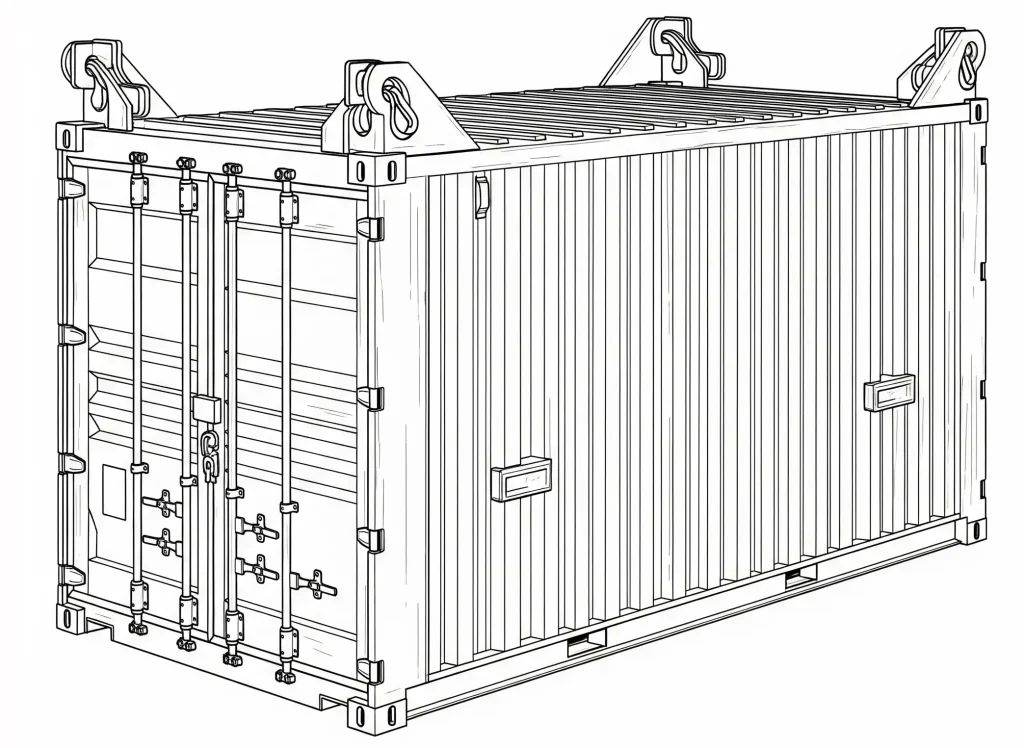
The 20′ Half Height Container from Tradecorp Indonesia has external dimensions of 6.058 x 2.438 x ≤1.219 m. Its lower profile compared to a standard 20-foot container makes it suitable for transporting heavy, dense materials that do not require significant vertical storage space. It is ideal for transporting mineral sand, salt, iron ore, mineral concentrates, and other mining materials.
External Dimension (Length × Width × Height)
6,058 × 2,438 × ≤1,219 m
Maximum Payload
26.000 kg


Specifications
| Parameter | Metric | Imperial |
|---|---|---|
| DIMENSION | ||
| Length × Width × HeightExternal (Length × Width × Height) | 6,058 × 2,438 × ≤1,219 m | 20' × 8' × ≤4' |
| WEIGHT | ||
| Maximum Gross Weight (MGW) | 26.000 kg | 57.320 lbs |
| Tare Weight | 2.460 kg | 5.420 lbs |
| Maximum Payload | 23.540 kg | 51.900 lbs |
Features
Removable Cover with Gasket
The removable top cover is fitted with a gasket and steel plate to help protect cargo from external exposure and reduce the risk of leakage.
Steel Flooring
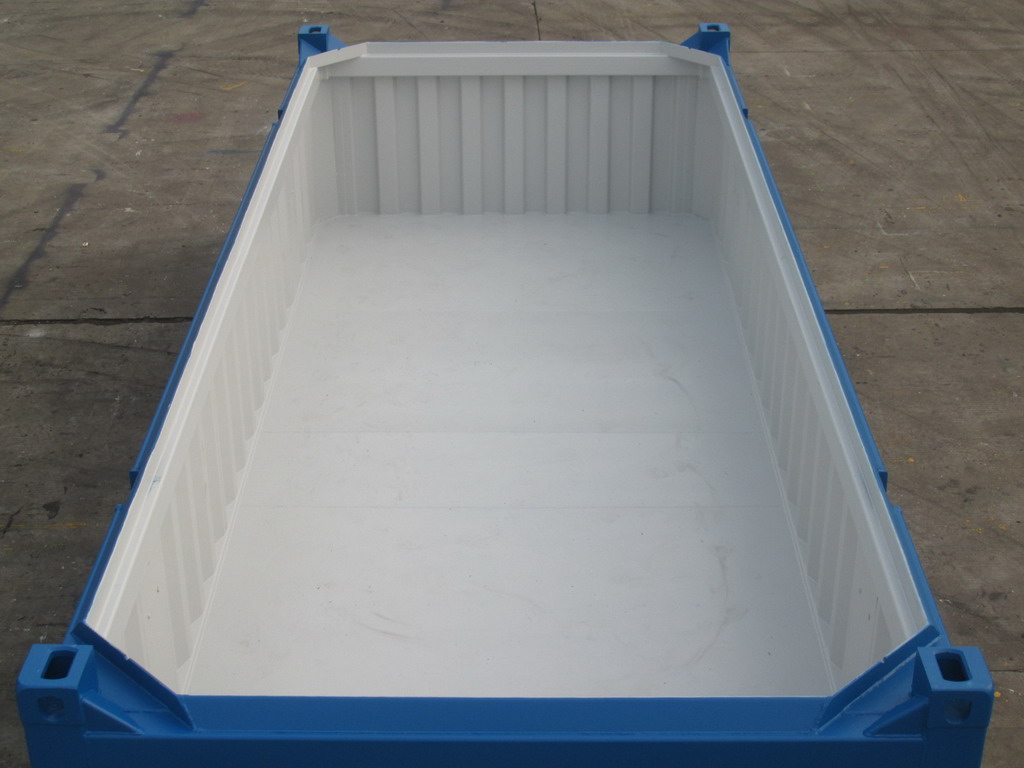
The sturdy steel floor provides a strong surface for supporting heavy materials.
Corner Castings
Steel fittings at each corner of the container serve as lifting points and allow the unit to be secured using twistlocks and stacked within its approved limits.
Forklift Pockets
Fork pockets at the bottom of the container facilitate handling and relocation using a forklift with suitable lifting capacity.
Lockbox
A steel cover around the padlock area restricts direct access and helps protect the door locking mechanism against tampering.
Applications
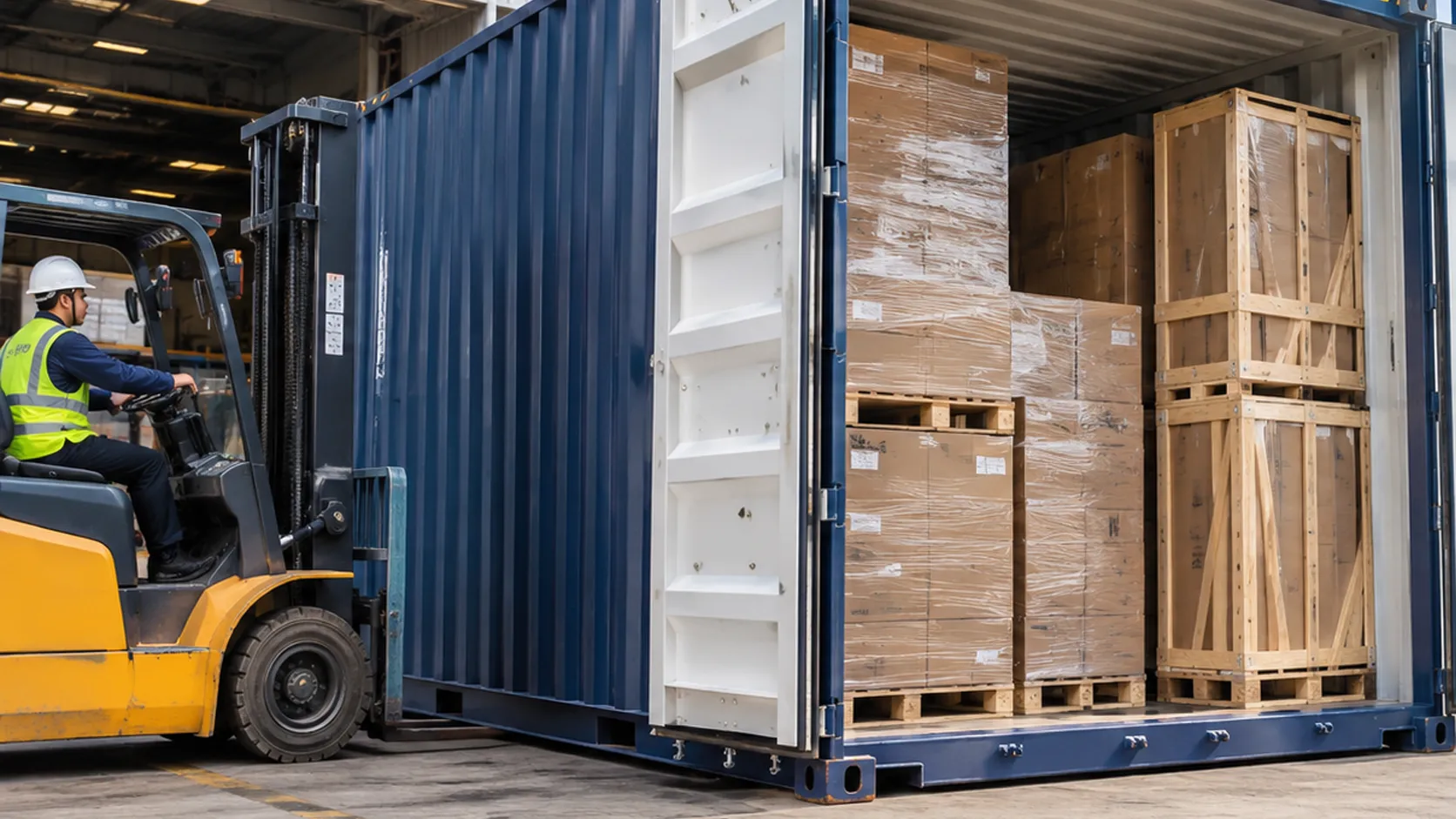
Mining Material Transportation
Transports mineral sand, salt, iron ore, mineral concentrates, and other mining materials.
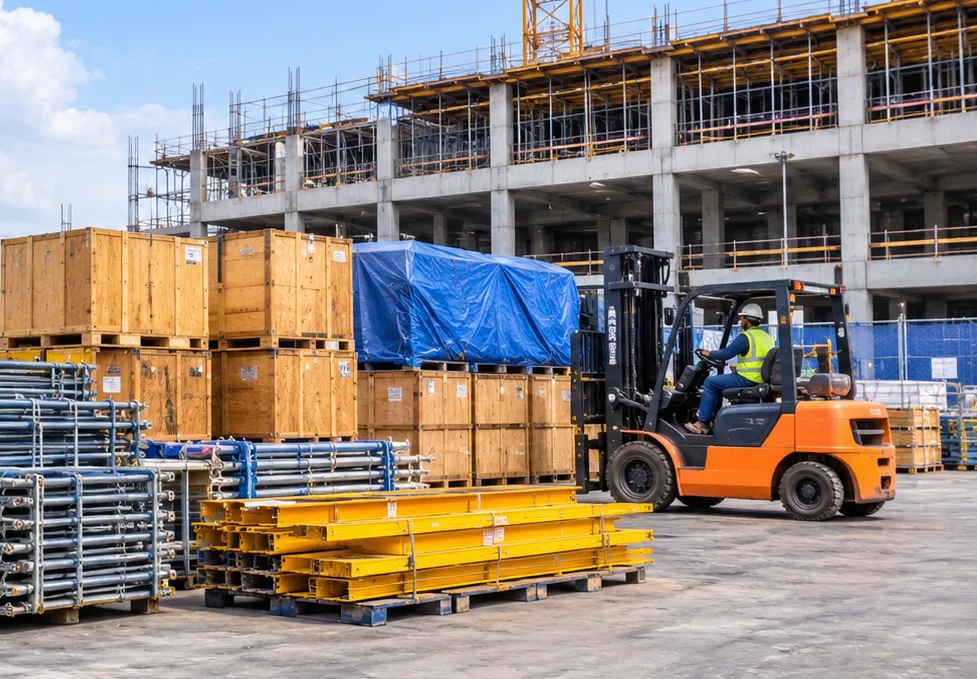
Steel Product Transportation
Stores and transports pipes, steel poles, metal plates, anchors, and steel slabs.

Dense Bulk Cargo Transportation
Handles heavy bulk materials with high density that do not require substantial storage volume.
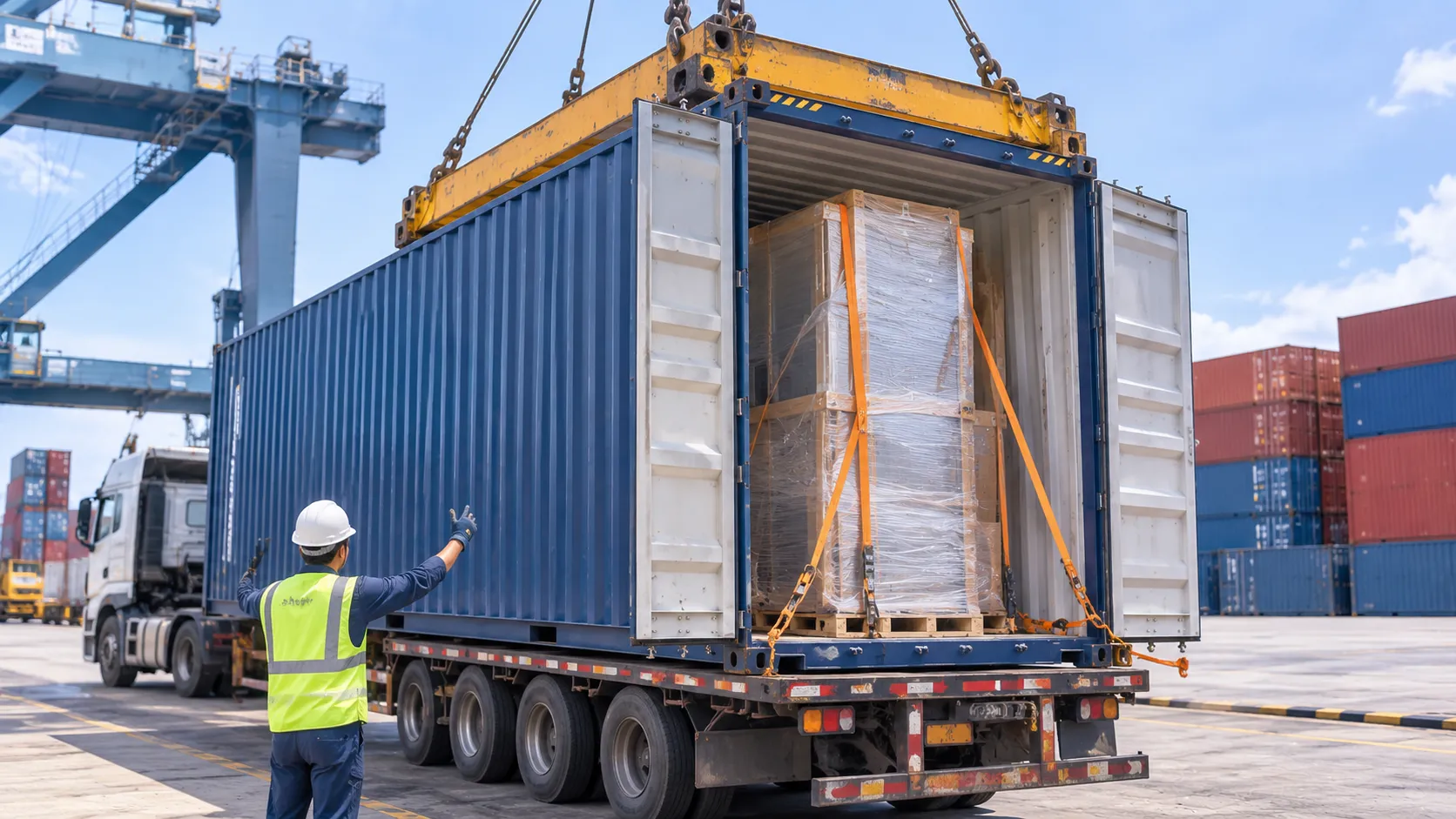
Mining and Industrial Operations
Supports the movement of heavy materials to storage areas, ports, or processing facilities.
Frequently Asked Questions
Find complete information about container, construction, and modular building solutions for your various business and project needs.
Why Choose a 20' Half Height Container Instead of a Standard 20-Foot Container?
The main differences are the container height and the types of cargo they are designed to carry. A Half Height Container has an external height of up to 1.219 m, while a standard 20-foot container is approximately 2.591 m high. Although it offers less storage volume, its lower profile makes top loading easier and is suitable for dense cargo that can reach the weight limit before filling the entire container. For general goods, furniture, or cargo requiring more vertical space, a standard container is more suitable.
What Types of Materials Can Be Transported Using a Half Height Container?
This unit is suitable for mining materials and heavy cargo such as mineral sand, salt, iron ore, mineral concentrates, and steel products. Tradecorp also lists pipes, steel poles, metal plates, anchors, and steel slabs as examples of suitable cargo. Make sure the dimensions, weight, and characteristics of the materials comply with the container’s capacity and configuration.
How Are Materials Loaded into the Container?
Materials can be loaded from above after the cover is removed or opened, depending on the unit’s configuration. A crane or other suitable loading equipment can be used, depending on the type and weight of the cargo. Make sure the load is distributed evenly and does not exceed the maximum payload. After loading, reinstall the cover and ensure the gasket is properly fitted when using the hard top configuration.
How Are Materials Discharged from the Container?
The end door is equipped with a rear tipping hatch to facilitate material discharge. The side-hinged doors also provide additional access during unloading. The discharge method should be selected based on the material characteristics and receiving facilities. If the entire container needs to be tilted or rotated using tipping equipment, make sure the container design and lifting equipment are approved for that method.
Can the Top Cover Be Removed and Reinstalled?
Yes. Tradecorp offers hard top, soft top, and open top configurations. The hard top uses a removable steel cover, while the soft top uses a flexible cover based on the unit’s design. The open top configuration does not have a permanent roof cover. Choose the appropriate option based on the loading method, cargo characteristics, and level of protection required during transportation.
Can Fine Materials Such as Mineral Sand and Salt Leak Through Gaps in the Doors?
Tradecorp equips the unit with a top cover fitted with a gasket and steel plate. These components help secure the cargo during transportation. However, very fine materials require careful attention to the joints, gaskets, and locking mechanisms to prevent spillage. Make sure the selected configuration is suitable for the particle size and characteristics of your materials before ordering.
Can 20' Half Height Containers Be Stacked?
Yes, provided the container’s structure and safety rating allow stacking. Check the allowable stacking load stated on the safety plate, if available, and follow the specified limits. The condition of the placement surface, the alignment of the corner fittings, and load distribution must also be considered before stacking.
Can the Container Be Transported by Truck and Ship?
Yes, provided the container’s dimensions, weight, lifting points, and rating comply with the requirements of the transport equipment and operators. The unit’s MGW of 26,000 kg must be considered alongside road vehicle weight limits, trailer capacity, terminal requirements, and shipping line acceptance. Confirm these requirements before arranging transportation.
Are Purchase and Rental Options Available?
Tradecorp offers purchase and rental options for Half Height Containers, subject to unit availability and the required configuration. When requesting a quotation, provide details about the type of material, estimated cargo weight, loading and unloading methods, and preferred top cover so the Tradecorp team can help identify a suitable unit.
Is a Half Height Container Suitable for Transporting Wet or Sticky Materials?
Not necessarily. This unit is primarily designed for solid bulk materials. The steel floor, tapered side walls, and internal anti-corrosion protection help facilitate material discharge. However, excessively wet or sticky materials may adhere to the floor and walls, preventing the entire load from passing through the tipping hatch. Inform the Tradecorp team about the material type, moisture level, and other relevant characteristics before selecting the container configuration.
What Is the Difference Between Hard Top, Soft Top, and Open Top Half Height Containers?
The main difference is the type of cover and the level of cargo protection. A hard top uses a removable steel cover, while a soft top uses a flexible cover, such as a tarpaulin. An open top configuration has no permanent roof cover, providing more open access for loading. A hard top offers physical and weather protection, a soft top provides a more flexible covering option, and an open top is suitable for loading cargo from above without a permanent cover. The right option depends on the cargo characteristics and transportation method.
Can a 20' Half Height Container Be Used to Transport Dangerous Goods?
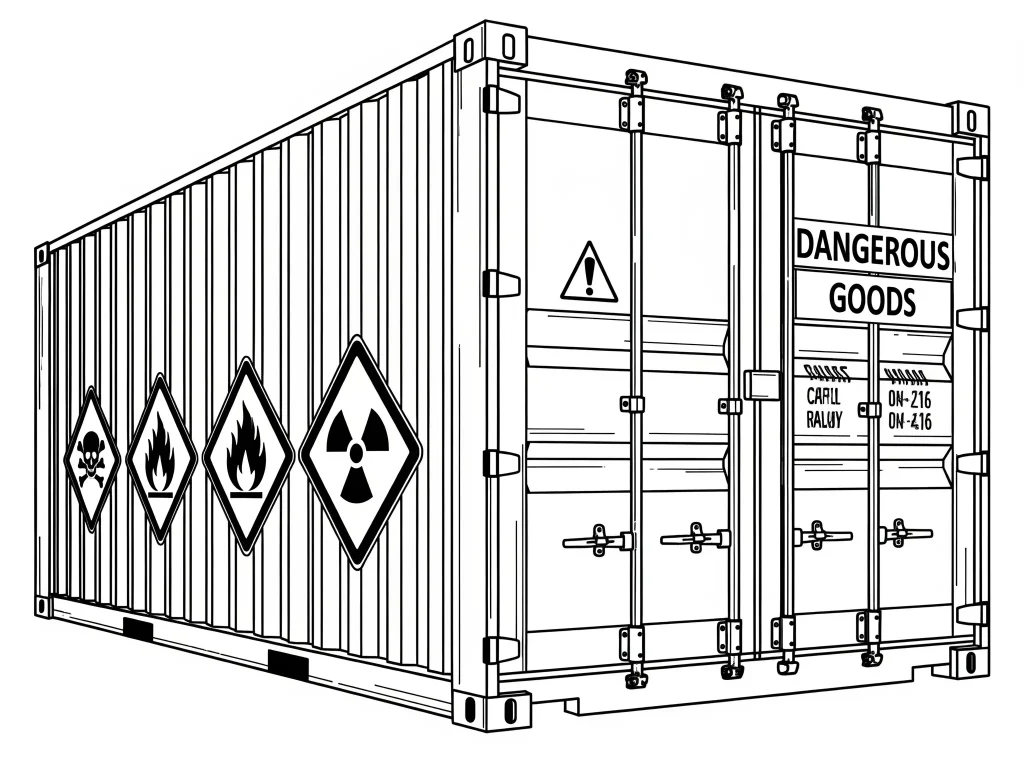
Yes, for certain types of dangerous goods, provided the unit has the required approvals and certifications. For the transportation of solid dangerous goods in bulk, one requirement to check is the BK2 certification under the IMDG Code. Not all Half Height Containers automatically meet this requirement. Confirm the material type, UN number, hazard classification, and container certification before shipment. Offshore DNV certification does not automatically replace the BK2 requirement.
Get A Quote
Fill in the form, our team will contact you.