






20' High Cube Bulker Container
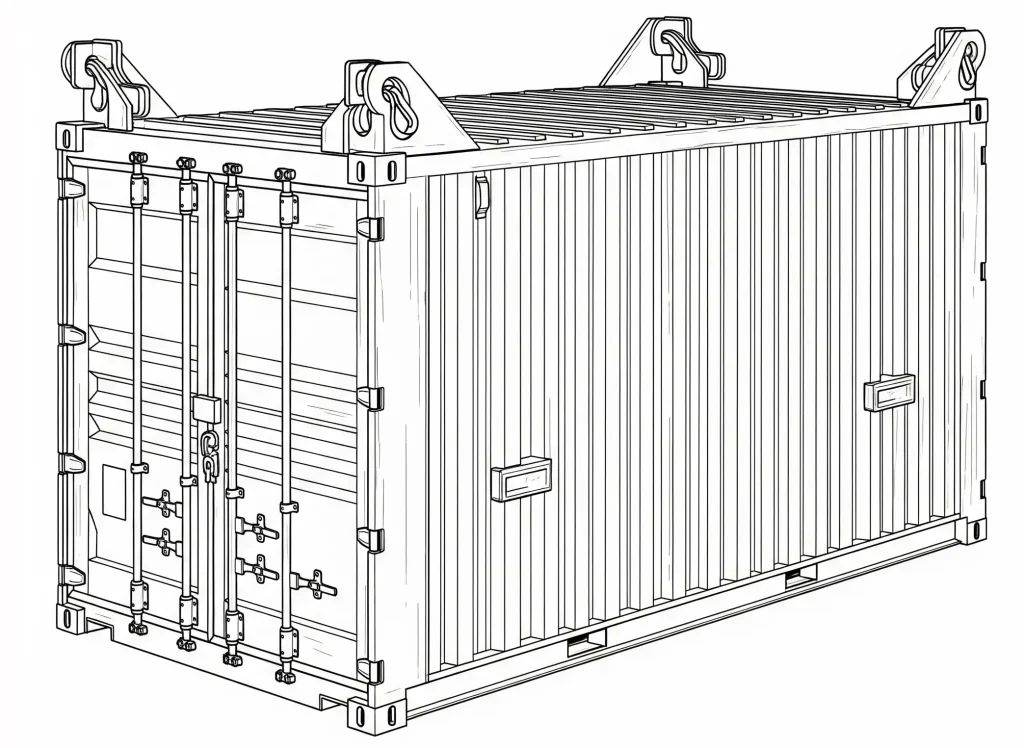
The 20′ High Cube Bulker Container from Tradecorp Indonesia is designed for storing and transporting dry bulk cargo, such as grains, seeds, sugar, and plastic pellets. Three roof openings allow materials to be loaded from above using a conveyor, elevator, or gravity chute. Its steel floor and specialized bulk cargo construction support the transportation and storage of large quantities of materials.
External Dimension (Length × Width × Height)
6,058 × 2,438 × 2,896 m
Cubic Capacity
37,4 m³
Maximum Gross Weight
34,850 kg
Maximum Payload
31.870 kg


Specifications
| Parameter | Metric | Imperial |
|---|---|---|
| DIMENSION | ||
| Length × Width × HeightExternal (Length × Width × Height) | 6,058 × 2,438 × 2,896 m | 20' × 8' × 9'6" |
| Cubic Capacity (CU.CAP) | 37,4 m³ | 1.322 cu.ft |
| WEIGHT | ||
| Maximum Gross Weight (MGW) | 34.850 kg | 76,830 lbs |
| Tare Weight | 2.980 kg | 6,570 lbs |
| Maximum Payload | 31.870 kg | 70.260 lbs |
Features
Three Roof Loading Hatches
Three openings on the roof allow bulk materials to be loaded from above using a conveyor, elevator, or gravity chute.
SPA-H Steel Components
Structural components are made from SPA-H steel, which offers corrosion resistance against environmental exposure.
Steel Flooring
The steel floor provides a strong surface to support bulk materials during storage and transportation.
Corner Castings
Steel fittings at each corner serve as lifting points and allow the container to be secured using twistlocks and stacked within its approved limits.
Steel Cargo Doors
Steel doors at the end of the container provide access for inspection, loading certain types of cargo, and material discharge, depending on the unit configuration.
Locking Mechanisms
Locking mechanisms help keep the doors and container openings securely closed during storage and transportation.
Applications
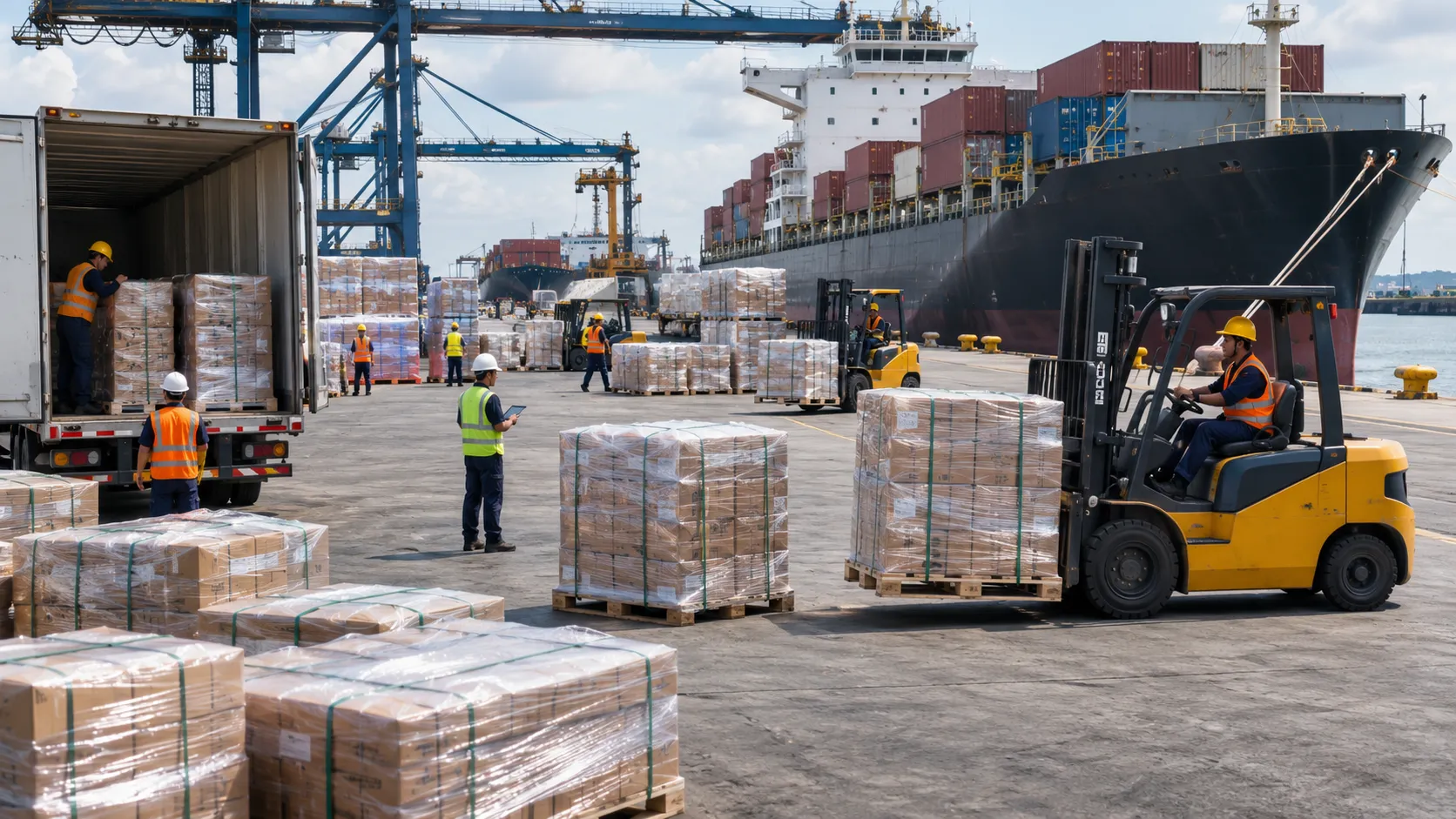
Grain Transportation
Transports rice, wheat, corn, and other agricultural commodities in bulk.
Seed and Food Product Transportation
Accommodates seeds, nuts, sugar, malt, and dry food products, subject to the container's cleanliness and cargo compatibility requirements.
Plastic Pellet Transportation
Stores and transports plastic pellets, resin, and plastic granules for manufacturing operations.

Industrial Bulk Material Transportation
Handles dry granular or powdered materials with flow characteristics suitable for the container's loading and discharge design.
Frequently Asked Questions
Find complete information about container, construction, and modular building solutions for your various business and project needs.
What Is the Difference Between a 20' High Cube Bulker Container and a Standard 20' High Cube Container?
The main difference is their design and the types of cargo they handle. A standard 20′ High Cube Container has one set of rear double cargo doors and is used for general cargo. A High Cube Bulker, on the other hand, has three roof hatches for loading bulk materials from above and a steel floor designed for bulk cargo transportation. Both have an external height of 9’6″, but the Bulker configuration is more suitable for grains, sugar, seeds, and plastic pellets that are not practical to load individually in packages.
What Types of Goods Can Be Transported Using a High Cube Bulker Container?
This unit is suitable for free-flowing dry bulk materials such as wheat, corn, rice, nuts, sugar, malt, seeds, and plastic pellets. Other powdered or granular materials may also be considered, provided their characteristics, density, particle size, and handling requirements are compatible with the container’s construction and loading system.
How Are Goods Loaded into the Container?
Loading is carried out through the three roof hatches. Materials can be transferred using a conveyor, elevator, or gravity chute, depending on the loading facilities available at the site. The three openings help distribute materials along the length of the container. During loading, make sure the material is distributed evenly to prevent excessive pressure on any single section of the walls or floor.
How Are Materials Discharged from a Bulker Container?
The discharge method depends on the container configuration. Some bulker models available on the market also use tipping chassis to discharge materials through designated openings. However, the use of tipping equipment must be technically approved for the specific unit. Confirm the hatch configuration and discharge method before ordering.
Can the Container Be Used to Transport Fine Powdered Materials?
Yes, provided the material characteristics are compatible with the container’s loading and discharge systems. However, very fine powders may escape through gaps in the joints or generate dust during loading and unloading. A bulk liner may be considered to contain the material, reduce contamination, and help protect the cargo from moisture. Make sure the liner material, connections, and capacity are suitable for the type of cargo.
Do Plastic Pellets and Food Products Require a Bulk Liner?
A bulk liner may be considered, particularly for plastic pellets, seeds, grains, and food products that need protection from direct contact with the container’s surfaces. A liner can also help reduce the risk of contamination and moisture exposure during transportation. However, the type and need for a liner depend on the material, hygiene requirements, and loading and unloading methods. Confirm whether the liner is included in the selected configuration or needs to be ordered separately.
Can the Container Be Used to Transport Wet or Lumpy Bulk Materials?
The High Cube Bulker is primarily designed for free-flowing dry bulk materials. Materials that are excessively wet or prone to clumping may stick inside the container and block the discharge openings. This can also make cleaning more difficult after unloading. Inform the Tradecorp team about the material type, moisture content, and flow characteristics before selecting a suitable unit.
Does a Cubic Capacity of 37.4 m³ Mean the Container Can Be Completely Filled with Bulk Materials?
Not necessarily. Cubic capacity indicates the available internal space, while payload determines the maximum cargo weight permitted. For example, a material with a bulk density of 1 tonne/m³ would reach the maximum payload of 27.92 tonnes when it occupies approximately 27.92 m³. This means the weight limit may be reached before the container is completely filled. Loading calculations must account for the material’s bulk density and the container’s MGW.
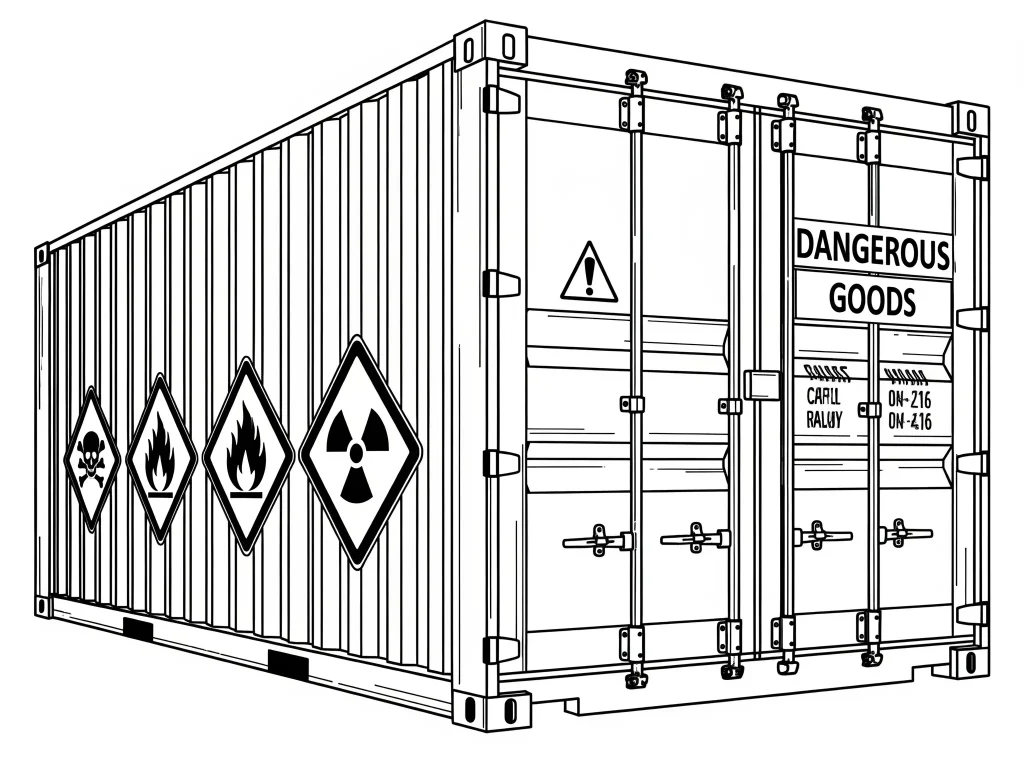
Can a 20' High Cube Bulker Container Be Used to Transport Dangerous Goods?
The transportation of dangerous goods must comply with the applicable cargo classification and shipping requirements. For certain solid dangerous goods transported in bulk, the BK2 requirements under the IMDG Code must be checked. Not all Bulker Containers automatically have BK2 approval. Confirm the UN number, hazard classification, design approval, and container certification before arranging shipment.
Can the Unit Be Used for International Sea Freight?
Yes, provided the unit meets the applicable safety requirements and is accepted by the shipping line and destination terminal. Make sure the dimensions, Maximum Gross Weight, inspection status, and container approval documents are in order. For materials classified as dangerous goods, the relevant IMDG Code requirements and specific certifications must also be met.
Is the 20' High Cube Bulker Container Available for Purchase and Rental?
Tradecorp offers purchase and rental options for 20′ High Cube Bulker Containers, subject to unit availability. When requesting a quotation, provide details about the material type, estimated cargo weight, bulk density, loading and discharge methods, and any liner requirements. This information helps the Tradecorp team assess the appropriate container configuration for your operational needs.
Get A Quote
Fill in the form, our team will contact you.


